
Airborne Diseases: Symptoms, Causes, Prevention, and Treatment

Introduction
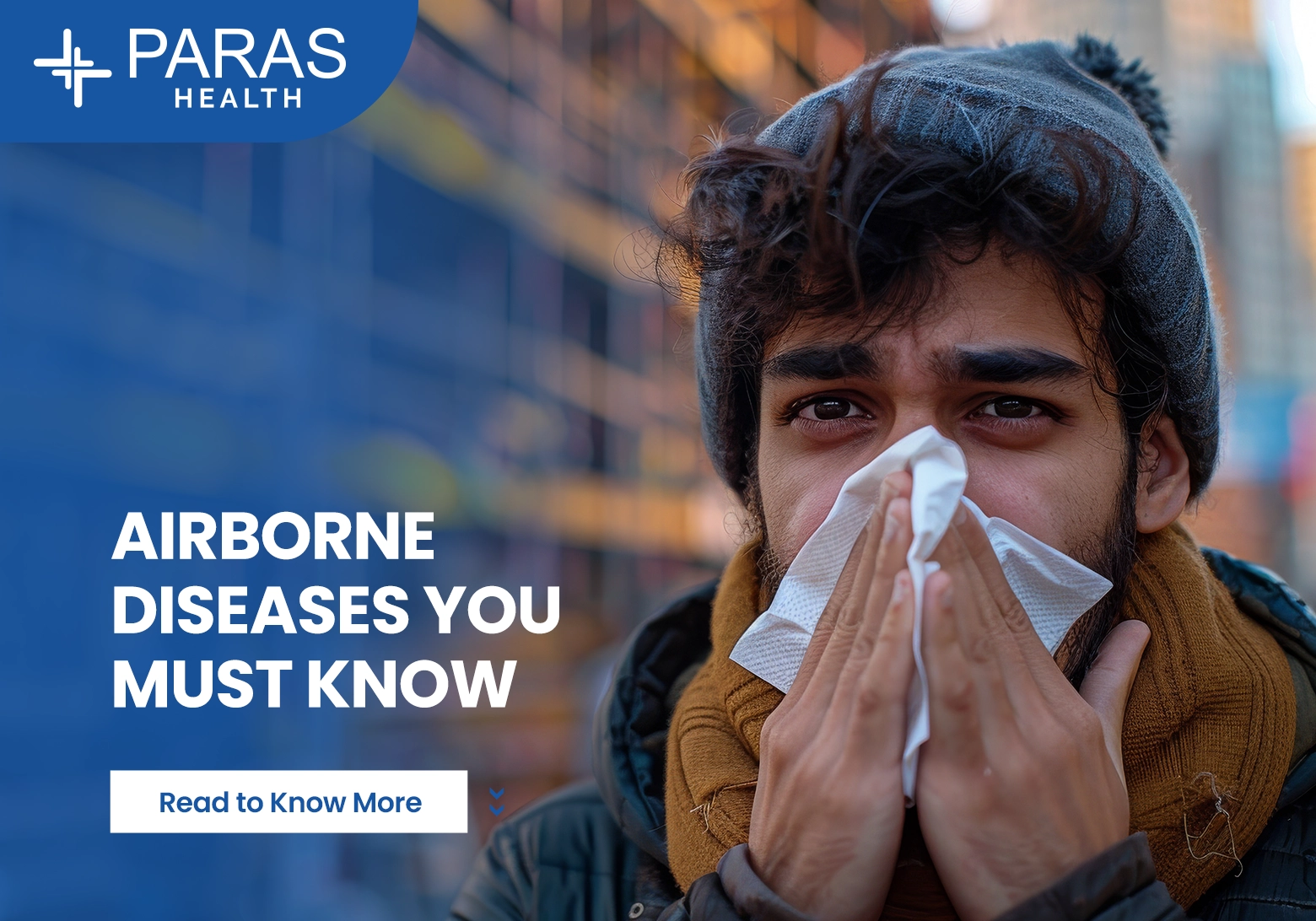
When someone sneezes or coughs in a crowded room, tiny particles float in the air. Some of these particles may contain germs that can make others sick. These types of illnesses are called airborne diseases. They spread when infectious agents travel through the air in droplets or dust, and they can affect anyone, anywhere.
In this blog, we’ll explain what airborne diseases are, their common examples, symptoms, causes, prevention methods, and treatment options in simple language.
What Are Airborne Diseases?
Airborne diseases refer to infections caused by bacteria, viruses, or fungi that transmit through tiny particles suspended in the air. When an infected person coughs, sneezes, talks, or even breathes, they release microscopic droplets or aerosols that can carry harmful pathogens. Others may breathe in these contaminated particles, leading to infection. Due to this mode of transmission, airborne diseases are highly contagious, especially in crowded or poorly ventilated environments.
Common Examples of Airborne Diseases
-
Tuberculosis (TB): Caused by Mycobacterium tuberculosis, especially prevalent in crowded, urban areas.
-
Influenza (Flu): A seasonal viral infection with symptoms like fever, cough, and body aches.
-
COVID-19: A highly contagious disease caused by the SARS-CoV-2 virus, spreading through droplets and aerosols.
-
Measles: An extremely contagious viral illness with fever, cough, and a distinctive rash.
-
Chickenpox: Caused by the varicella-zoster virus, resulting in itchy blisters and fever.
-
Whooping Cough (Pertussis): A severe bacterial infection characterized by persistent coughing fits.
-
Common Cold: Mostly caused by rhinoviruses, it spreads rapidly in schools and workplaces.
-
Diphtheria: A serious bacterial infection affecting the respiratory tract, preventable through vaccination.
Symptoms of Airborne Diseases
Symptoms often overlap but can vary depending on the specific infection. Common signs include:
-
Persistent cough and sneezing
-
Sore throat and hoarseness
-
Fever, chills, and sweating
-
Runny or congested nose
-
Breathing difficulty or shortness of breath
-
Headaches and muscle aches
-
Fatigue and general weakness
-
Skin rashes or blisters (notably in measles and chickenpox)
Note: Some airborne diseases such as TB, COVID-19, and diphtheria, if untreated, may lead to severe complications or become life-threatening.
Causes and Transmission of Airborne Diseases
Airborne infections primarily spread via:
-
Coughing and sneezing: Generate infectious droplets that remain suspended in the air.
-
Talking and breathing: Release smaller aerosol particles capable of carrying pathogens.
-
Poor indoor ventilation: Increases airborne germ concentration in enclosed spaces.
-
Dust particles: Certain fungal spores and bacteria can hitch a ride on dust.
High-risk areas include hospitals, schools, offices, public transport, and crowded indoor settings.
Effective Prevention Methods
Protecting yourself from airborne diseases involves a combination of simple and practical measures:
-
Wear Masks: Use masks, especially in crowded or healthcare environments.
-
Practice Hand Hygiene: Regularly wash hands with soap or use alcohol-based sanitizers.
-
Get Vaccinated: Immunization against flu, measles, chickenpox, diphtheria, and COVID-19 significantly reduces risk.
-
Improve Ventilation: Open windows and use air purifiers to circulate fresh air indoors.
-
Maintain Social Distancing: Avoid close contacts with symptomatic or infected individuals.
-
Adopt a Healthy Lifestyle: Eating nutritious food, exercising, and adequate sleep strengthen the immune system.
Treatment Options for Airborne Diseases
Treatment depends on the infected microorganism:
-
Viral infections (e.g., flu, COVID-19, measles, chickenpox): Focus on rest, hydration, antivirals, and symptom management.
-
Bacterial infections (e.g., TB, whooping cough, diphtheria): Require prescribed antibiotics.
-
Severe cases: May need oxygen therapy, hospitalization, or intensive care.
-
Home Remedies: Steam inhalation, warm fluids, and rest can relieve mild symptoms.
Always consult a healthcare professional for accurate diagnosis and treatment. Avoid self-medication, which can be harmful.
Important Facts & Figures
-
According to WHO, measles can infect 9 out of 10 unvaccinated individuals exposed.
-
In India, TB remains a major health issue, monitored under the National TB Elimination Program by the Ministry of Health & Family Welfare (MoHFW).
-
CDC statistics show that proper vaccination has drastically reduced cases of measles, diphtheria, and chickenpox globally.
-
WHO confirmed that airborne transmission played a critical role in the global spread of COVID-19.
Conclusion
Airborne diseases pose a significant public health risk due to their ease of transmission and contagious nature. However, with heightened awareness, diligent hygiene practices, effective vaccination programs, and timely medical interventions, the spread and impact of airborne infections can be greatly reduced. Staying informed and proactive is key to protecting yourself and your community.
FAQs About Airborne Diseases
What are airborne diseases?
Airborne diseases are infections caused by germs spread through the air via coughing, sneezing, or breathing.
Is COVID-19 considered an airborne disease?
Yes, COVID-19 spreads mainly through respiratory droplets and airborne particles.
What are the most common airborne diseases?
Common airborne diseases include tuberculosis, flu, measles, chickenpox, whooping cough, and the common cold.
How do airborne diseases spread?
They spread when infected individuals expel droplets into the air, which are then inhaled by others.
What symptoms indicate an airborne infection?
Symptoms like fever, cough, sore throat, runny nose, fatigue, and sometimes skin rashes or breathing difficulties.
How can I prevent airborne diseases?
By wearing masks, practicing hand hygiene, getting vaccinated, and ensuring good ventilation.
Can airborne diseases be treated at home?
Mild cases like the common cold can be managed at home, but serious infections require professional medical care.
Do vaccines provide protection against airborne diseases?
Yes, vaccines significantly lower the risk of infections like flu, measles, chickenpox, diphtheria, and COVID-19.
Why are airborne infections dangerous?
Their ability to spread rapidly in crowded places puts many people at risk.
Who is most vulnerable to airborne infections?
Children, older adults, and individuals with weakened immune systems are more susceptible.