


Health Library
Blogs
- All
- Cardiac Sciences
- Clinical Psychology
- Critical Care
- Dentistry
- Dermatology & Cosmetology
- Emergency Medicine
- Endocrinology
- ENT, Neck & Head Surgery
- Gastro Sciences
- General Surgery
- Internal Medicine
- Neuro Sciences
- Obstetrics & Gynaecology
- Onco Care
- Ophthalmology
- Orthopaedics
- Paediatrics
- Plastic Surgery
- Psychiatry
- Pulmonology
- Renal Sciences
- Emergency
- Urology
- Liver Transplant & GI Surgery
- Dietetics & Nutrition
- General

Cardiac Sciences
| Post Date : Jul 30, 2025
Have you ever felt your heart race after a workout—or even during a stressful moment? Ever wondered, “Is my heart rate normal?” You're not alone. Knowing your heart rate is one of the easiest ways to check how well your heart is doing.
Continue Reading
Endocrinology
| Post Date : Jul 29, 2025
Have you ever looked at your blood test report and wondered, “Is my sugar level normal?” Or searched online for “What’s a normal blood glucose level after eating?” You’re not alone. Blood sugar, or glucose, is something many of us track—but few truly understand.
Continue Reading
Neuro Sciences
| Post Date : Jul 28, 2025
Have you ever seen someone suddenly lose consciousness, shake uncontrollably, or stare blankly without responding?
It could be epilepsy — a neurological condition that often goes undetected due to lack of awareness.
Continue Reading

Internal Medicine
| Post Date : Jul 24, 2025
Have you ever wondered, “What is the normal body temperature?” or “Is 99°F a fever?” You’re not alone! Body temperature is one of the first signs doctors check to understand what’s going on inside your body.
Continue Reading

Internal Medicine
| Post Date : Jul 18, 2025
The monsoon season brings with it cool breezes, green landscapes, and the joy of sipping hot tea in the rain. But alongside all this beauty, monsoon also invites a surge in illnesses. From viral fevers to mosquito-borne diseases, the rainy season can take a toll on your health if you’re not careful.
Continue Reading
Neuro Sciences
| Post Date : Jul 18, 2025
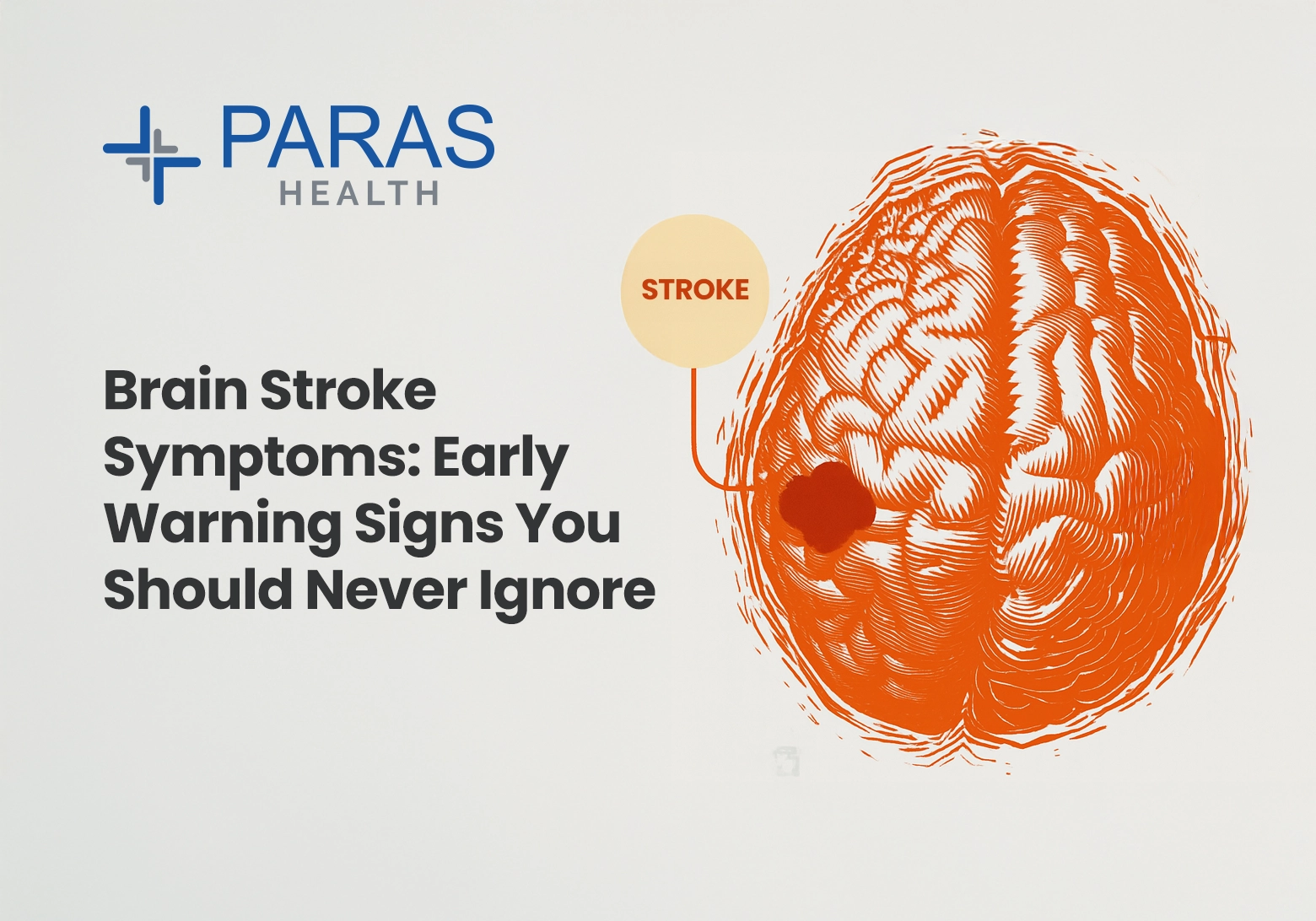
A brain stroke can happen in seconds, but its effects can last a lifetime. The good news? Acting fast can save a life—and reduce long-term damage. The first step is knowing what to look out for.
Continue Reading