
Emergency 9091790917
Chat with us on WhatsApp
Dr. Mohsin Bin Mushtaq Shah - Consultant

Dr. MOHSIN BIN MUSHTAQ SHAH

Senior Consultant - INTERNAL MEDICINE

MBBS, MD(Internal Medicine)

Paras Health Srinagar

About Dr. Mohsin Bin Mushtaq Shah

Dr. Mohsin Bin Mushtaq is a Senior Consultant in Internal Medicine and Infectious Diseases at Paras Health in Srinagar. He earned his MBBS from Dow University of Health Sciences and completed his MD at Government Medical College, Srinagar.

Dr. Mushtaq is an esteemed member of the Clinical Infectious Disease Society of India and has undergone advanced training at renowned institutions, including Montreal General Hospital, McGill University Faculty of Medicine, and Fortis Gurgaon. Additionally, he has achieved certifications from prestigious institutions such as Stanford University and Johns Hopkins University.

With extensive experience in both core internal medicine and infectious diseases, Dr. Mushtaq is committed to providing exceptional patient care and advancing the field through continuous professional development


Area of Interest:

  • T-2 Diabetes Milletus
  • Hypertension
  • Thyroid Disorders
  • Infectious Diseases
  • Metabolic Disorders
  • Haematological Disorders
  • Geriatric Diseases


Certifications:

  • American College of Chest Physicians
  • Johns Hopkins University
  • Stanford Medicine
  • European Academy of CME


Working Experience: 

He has worked in various prestigious institutes like Montreal General Hospital, MC Gill University, Fortis Memorial Research Institute, Fortis C-Doc Hospital.

Choose time

Preferred Slot not available? Click Here to Get an Instant Call-back!

Morning Slots

Afternoon Slots

Wellness Blogs

Are you feeling unusually tired, forgetful, or experiencing strange tingling in your hands and feet? These symptoms might seem harmless or easy to ignore, but they could be telling you something important — your body might be running low on Vitamin B12.
Continue Reading
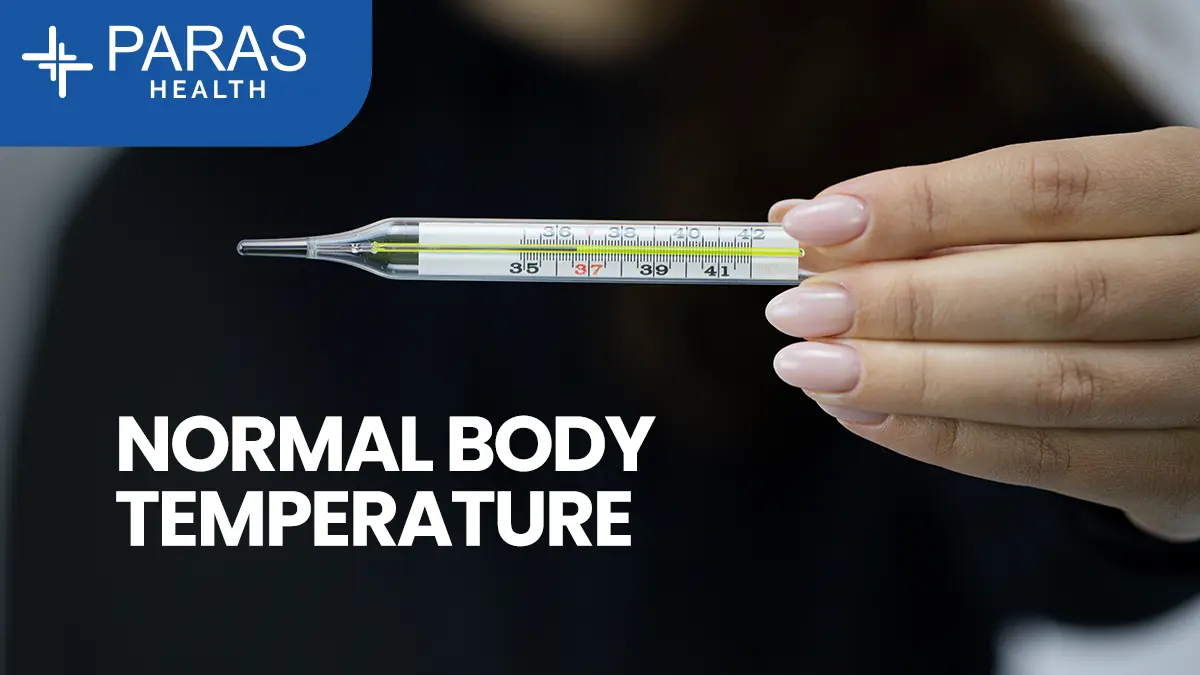
Checking your body temperature at home may seem like a simple task, but doing it the right way is very important. An incorrect reading can either cause unnecessary worry or delay timely medical care.
Continue Reading
When someone sneezes or coughs in a crowded room, tiny particles float in the air. Some of these particles may contain germs that can make others sick. These types of illnesses are called airborne diseases. They spread when infectious agents travel through the air in droplets or dust, and they can affect anyone, anywhere.
Continue Reading
Communicable (infectious) diseases are health conditions caused by bacteria, viruses, fungi, or parasites—spreadable from one person to another, directly or indirectly. These diseases may be mild but can turn life-threatening without proper diagnosis or care.
Continue Reading
Fever is the body’s natural defense mechanism against infections. But when fever comes back again and again, it becomes a matter of concern. Frequent fever, also known as recurrent or persistent fever, may be a sign of an underlying health issue that needs attention.
Continue Reading
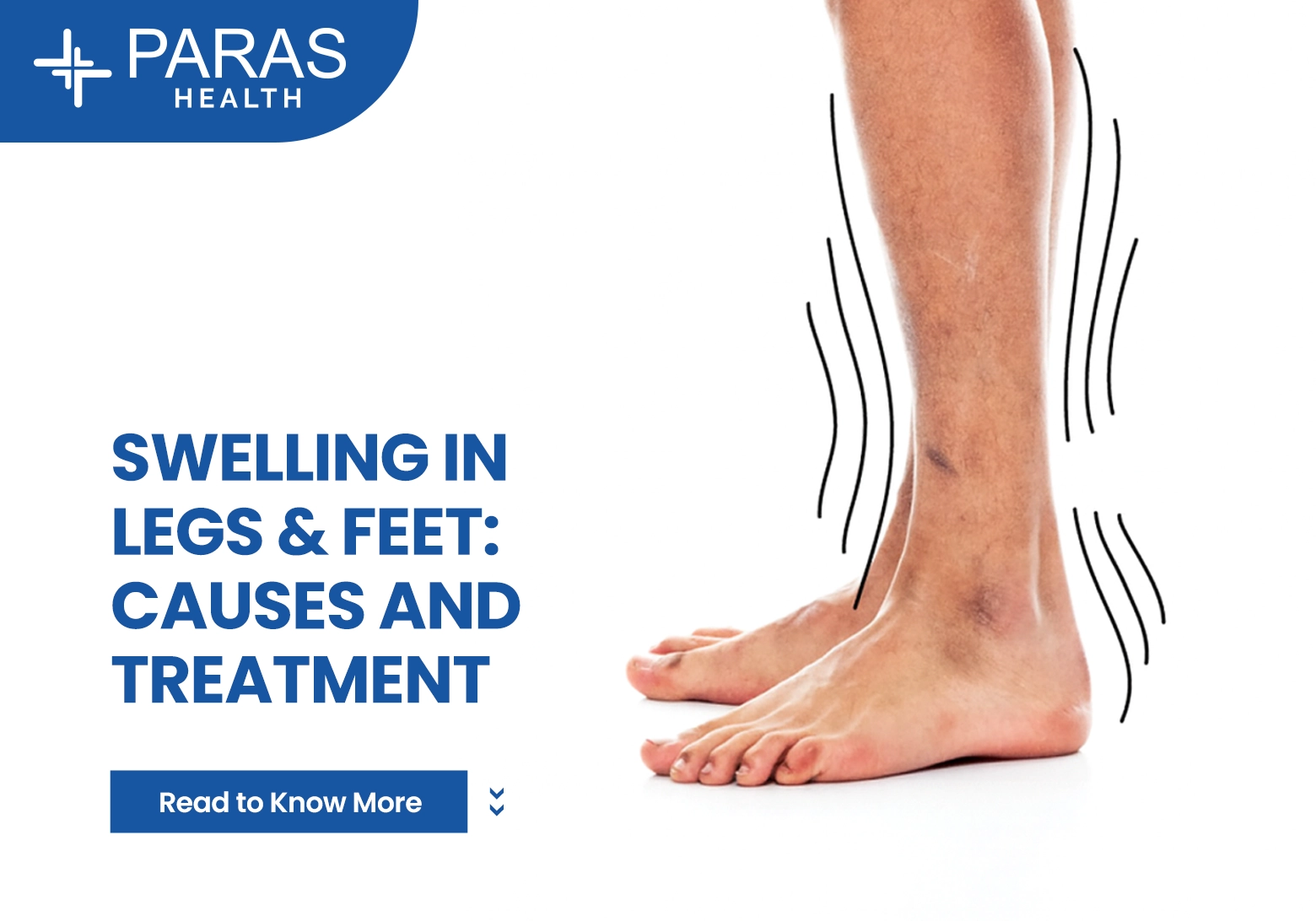
Have you ever noticed your legs or feet swelling after a long day of standing, sitting, or even without any clear reason? While mild swelling may be harmless, persistent or sudden swelling in legs and feet can sometimes point to an underlying health problem.
Continue Reading
A high ESR (Erythrocyte Sedimentation Rate) in women is often a sign of inflammation—not a disease itself. It can be caused by infections, anemia, hormonal changes, autoimmune conditions, or stress. Mild elevation is common and usually not dangerous, but values above 50 mm/hr should be evaluated by a doctor.
Continue Reading
View all Blogs
Request A Call Back
Request A Call Back
Didn't Find What You Were Looking For

Get a call back from our Health Advisor