
Best Summer Diet Guide for Healthy Eating & Hydration

TABLE OF CONTENTS
- Why Does Your Diet Need to Change During Summer?
- Signs Your Body May Be Struggling With Summer Heat
- Foods You Must Eat During Summer
- Foods You Should Avoid During Summer
- Summer Diet Plan
- Summer Diet Tips for Weight Loss
- Summer Diet Recommendations for Special Groups
- Common Summer Diet Mistakes
- Key Facts About Summer Nutrition
- Conclusion
- FAQs

Summer brings sunshine, vacations, mangoes, and longer days. But it also brings intense heat, excessive sweating, dehydration, fatigue, digestive issues, and an increased risk of heat-related illnesses. While most people focus on staying indoors or drinking more water during hot weather, one of the most effective ways to protect your health is by following a healthy summer diet plan.
Your body’s nutritional needs change with the season. The foods that work well during winter may not be ideal during summer. Eating the right combination of water-rich foods, seasonal fruits, vegetables, and hydrating beverages can help you stay energetic, maintain proper hydration, and prevent common summer health problems.
This comprehensive Summer Diet Guide will help you understand which foods to include, which foods to avoid, and how to build a healthy eating routine for the hottest months of the year.
Why Does Your Diet Need to Change During Summer?
The human body constantly works to maintain its internal temperature. During summer, high temperatures force your body to sweat more. While sweating helps cool the body, it also leads to the loss of fluids and essential minerals called electrolytes.
When these losses are not replenished, you may experience:
- Dehydration
- Headaches
- Dizziness
- Fatigue
- Muscle cramps
- Poor concentration
- Digestive discomfort
A well-balanced summer nutrition guide focuses on replacing lost fluids, supporting digestion, maintaining energy levels, and protecting the body from heat-related stress.
Signs Your Body May Be Struggling With Summer Heat
Your body often gives warning signs before dehydration or heat exhaustion becomes serious.
Watch out for:
- Constant thirst
- Dry lips and mouth
- Dark-colored urine
- Excessive tiredness
- Headaches
- Dizziness
- Reduced appetite
- Muscle cramps
If symptoms become severe or are accompanied by confusion, fainting, vomiting, or high fever, medical attention should be sought immediately.
Foods You Must Eat During Summer
1. Water-Rich Fruits
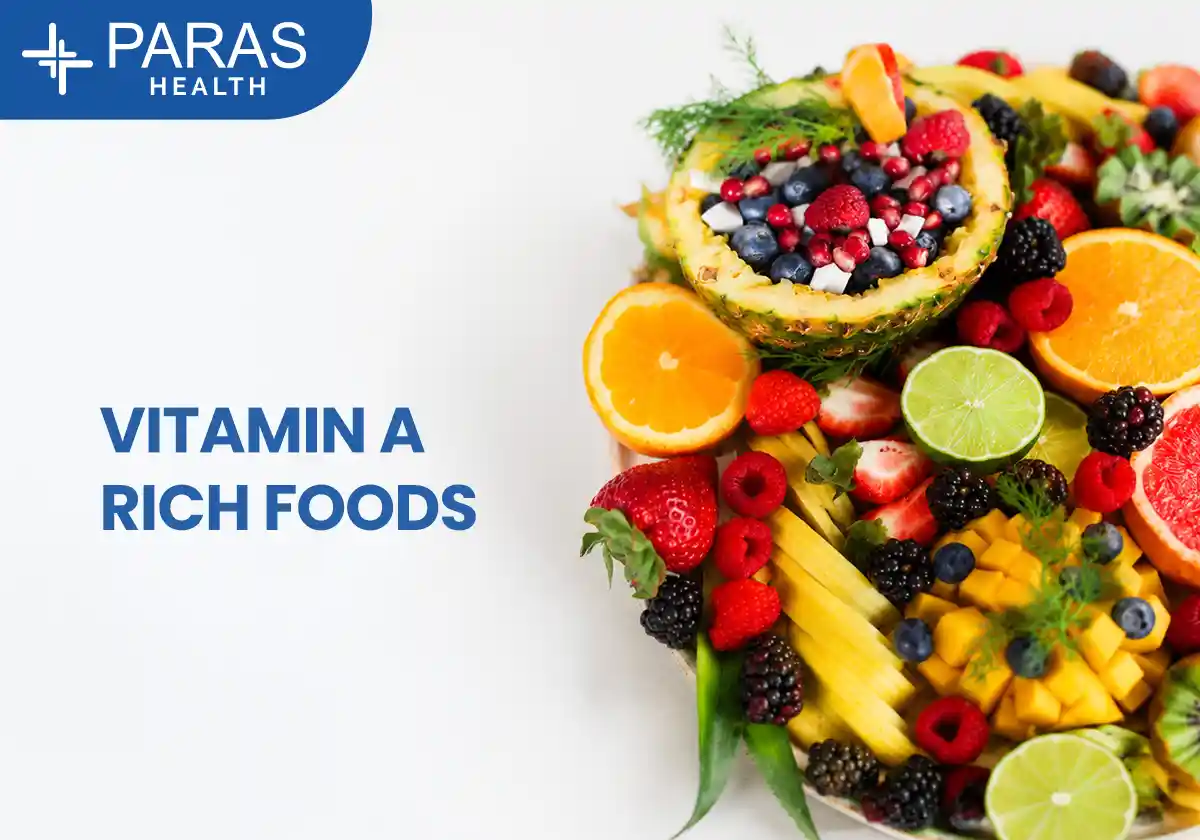
One of the easiest ways to improve hydration in summer is through fruits.
Watermelon
Watermelon contains more than 90% water and is among the best summer fruits for hydration. It is low in calories and rich in antioxidants that support overall health.
Muskmelon
Muskmelon is packed with water, vitamins, and minerals. It helps maintain hydration while supporting immunity.
Oranges and Sweet Lime
Citrus fruits are excellent sources of Vitamin C and natural electrolytes. They help keep the body refreshed and hydrated.
Strawberries and Berries
Berries provide antioxidants that help protect the body from oxidative stress caused by extreme heat.
Lychee
Lychee is a popular seasonal fruit that offers hydration and nutrients. However, it should be consumed in moderation due to its natural sugar content.
2. Cooling Vegetables
Vegetables are an essential part of any healthy summer diet.
Cucumber
Among the best cooling foods for summer, cucumber contains a high amount of water and helps maintain hydration. It is also easy on the digestive system.
Bottle Gourd (Lauki)
Bottle gourd is light, nutritious, and easy to digest. It is often recommended during hot weather because of its cooling properties.
Ash Gourd
Traditionally used in many Indian households, ash gourd helps cool the body and supports digestion.
Pumpkin
Pumpkin is rich in vitamins, antioxidants, and fiber. It can be included in a variety of summer meals.
Leafy Greens
Spinach and other leafy vegetables provide important nutrients while supporting overall wellness.
3. Hydrating Drinks You Should Include
Proper hydration is one of the most important aspects of a summer wellness diet.
Coconut Water
Often considered nature's sports drink, coconut water benefits include replenishing electrolytes such as potassium and magnesium while helping prevent dehydration.
Buttermilk (Chaas)
Buttermilk supports digestion, cools the body, and provides probiotics that promote gut health.
Lemon Water
A simple glass of lemon water can help maintain hydration while providing Vitamin C.
Fresh Vegetable Juices
Homemade vegetable juices offer hydration and essential nutrients without added sugars.
Infused Water
Adding mint, cucumber, or citrus fruits to water can make hydration more enjoyable.
4. Protein-Rich Foods for Summer Energy
Many people unintentionally reduce their protein intake during summer due to reduced appetite. However, protein remains essential.
Yogurt and Curd
Yogurt provides protein, calcium, and probiotics. It is one of the best gut-friendly foods for summer.
Lentils and Pulses
These provide plant-based protein while remaining relatively light and easy to digest.
Fish and Lean Chicken
Lean protein sources help maintain muscle health without making meals overly heavy.
Tofu and Paneer
Excellent vegetarian options that provide sustained energy throughout the day.
5. Summer Superfoods
Mint
Mint offers natural cooling properties and supports digestion.
Chia Seeds
Chia seeds absorb water and can contribute to hydration while providing fiber and omega-3 fatty acids.
Sabja Seeds
Also known as basil seeds, they are widely consumed during summer due to their cooling effects.
Seasonal Produce
Choosing local and seasonal fruits and vegetables ensures better freshness and nutritional value.
Foods You Should Avoid During Summer
1. Oily and Fried Foods
Heavy fried foods can increase body heat and make digestion more difficult.
Examples include:
- Samosas
- Pakoras
- French fries
- Fried snacks
2. Excessively Spicy Foods
Very spicy foods may increase sweating and cause digestive discomfort during hot weather.
3. Sugary Beverages
Soft drinks, packaged juices, and sweetened beverages may appear refreshing but often worsen dehydration due to their high sugar content.
4. Processed Foods
Processed snacks are often high in sodium and unhealthy fats, making them poor choices for a healthy summer lifestyle.
5. Excessive Tea, Coffee, and Alcohol
These beverages can contribute to dehydration when consumed excessively. Moderation is important.
Summer Diet Plan
Early Morning
Start your day with lemon water or plain water followed by seasonal fruits.
Breakfast
Choose nutritious options such as:
- Vegetable poha
- Oats with fruits
- Yogurt bowl
- Whole grain toast
Mid-Morning
Enjoy coconut water, watermelon, or cucumber slices.
Lunch
A balanced meal should include:
- Whole grains
- Seasonal vegetables
- Curd
- Lentils or lean protein
Evening Snack
Opt for:
- Buttermilk
- Fruit salad
- Roasted chana
- Nuts in moderation
Dinner
Keep dinner light and easy to digest.
Choose:
- Vegetable soup
- Salad
- Grilled fish or tofu
- Light chapati-based meals
Summer Diet Tips for Weight Loss
If your goal is weight management, summer can actually work in your favor.
- Focus on low-calorie summer foods
- Increase water intake
- Eat more fruits and vegetables
- Avoid sugary beverages
- Choose healthy snacks
- Avoid heavy late-night meals
- Stay physically active during cooler hours
Following a structured summer diet for weight loss can help improve results while keeping you energized.
Summer Diet Recommendations for Special Groups
Children
Children need frequent hydration and nutrient-rich snacks. Fruits, yogurt, and homemade drinks are excellent choices.
Older Adults
Older adults are at higher risk of dehydration because thirst signals may be weaker. Regular fluid intake is essential.
People with Diabetes
Choose low-glycemic fruits such as berries, apples, and citrus fruits while monitoring portion sizes.
Heart Patients
A low-sodium diet rich in fruits, vegetables, and hydration-friendly foods can support heart health during summer.
Common Summer Diet Mistakes
Many people unknowingly make mistakes that increase their risk of dehydration.
Avoid:
- Skipping meals
- Drinking only cold beverages
- Consuming excessive mango shakes
- Relying on packaged juices
- Ignoring water intake
- Eating heavy meals late at night
Key Facts About Summer Nutrition
- The body loses more fluids through sweat during summer.
- Water-rich fruits can significantly contribute to daily hydration.
- Coconut water naturally replenishes electrolytes.
- Buttermilk supports digestion and gut health.
- Processed foods may increase dehydration due to excess sodium.
- Seasonal fruits and vegetables provide better nutrition and freshness.
Conclusion
A healthy summer diet guide is not about restrictive eating—it is about making smarter seasonal choices. Including water-rich foods, cooling fruits, summer vegetables, coconut water, buttermilk, and other hydrating foods can help you stay energetic, improve digestion, and reduce the risk of dehydration.
At the same time, limiting fried foods, sugary drinks, processed snacks, and excessive caffeine can protect your body from unnecessary stress during hot weather.
Remember, nutritional needs vary from person to person. If you have diabetes, kidney disease, heart disease, digestive disorders, or any chronic health condition, consult a healthcare professional for personalized dietary guidance.
FAQs
What is the best diet for summer?
A healthy summer diet should focus on hydration, seasonal fruits, vegetables, lean proteins, and cooling beverages like coconut water and buttermilk.
Which foods keep the body cool in summer?
Watermelon, cucumber, coconut water, curd, buttermilk, mint, and bottle gourd are among the best cooling foods for summer.
How can I stay hydrated during summer?
Drink water regularly, consume water-rich fruits and vegetables, and include electrolyte-rich beverages like coconut water.
What fruits are best during summer?
Watermelon, muskmelon, oranges, sweet lime, berries, and lychee are excellent choices during summer.
Is coconut water good for summer?
Yes. Coconut water provides natural electrolytes and helps prevent dehydration, making it an ideal summer beverage.
What foods should I avoid during summer?
Avoid excessive fried foods, sugary drinks, processed snacks, alcohol, and very spicy foods.
Can a summer diet help with weight loss?
Yes. A summer diet rich in fruits, vegetables, and low-calorie foods can support healthy weight management.
How much water should I drink during summer?
Water needs vary by age, activity level, and weather conditions. Most adults benefit from increasing fluid intake during hot weather.
Is buttermilk better than soft drinks in summer?
Yes. Buttermilk provides hydration, probiotics, and nutrients without the excessive sugar found in many soft drinks.
What are the signs of dehydration in summer?
Common signs include thirst, dry mouth, dizziness, headaches, fatigue, dark urine, and muscle cramps.

Dr. Abhay Jain is a highly experienced Senior Consultant in Internal Medicine at Paras Health, Udaipur, with an MD in Internal Medicine from R.N.T. Medical College. With over two decades of clinical excellence, he is known for accurate diagnosis and effective treatment of chronic diseases, infections, and lifestyle disorders. Trusted by patients across Udaipur, Dr. Jain offers compassionate care and comprehensive internal medicine services. Book an appointment with one of the best internal medicine doctors in Udaipur today.
Meet The Doctor


 Eng .webp)