

Sourdough vs White Bread : Which Is Healthier for You?
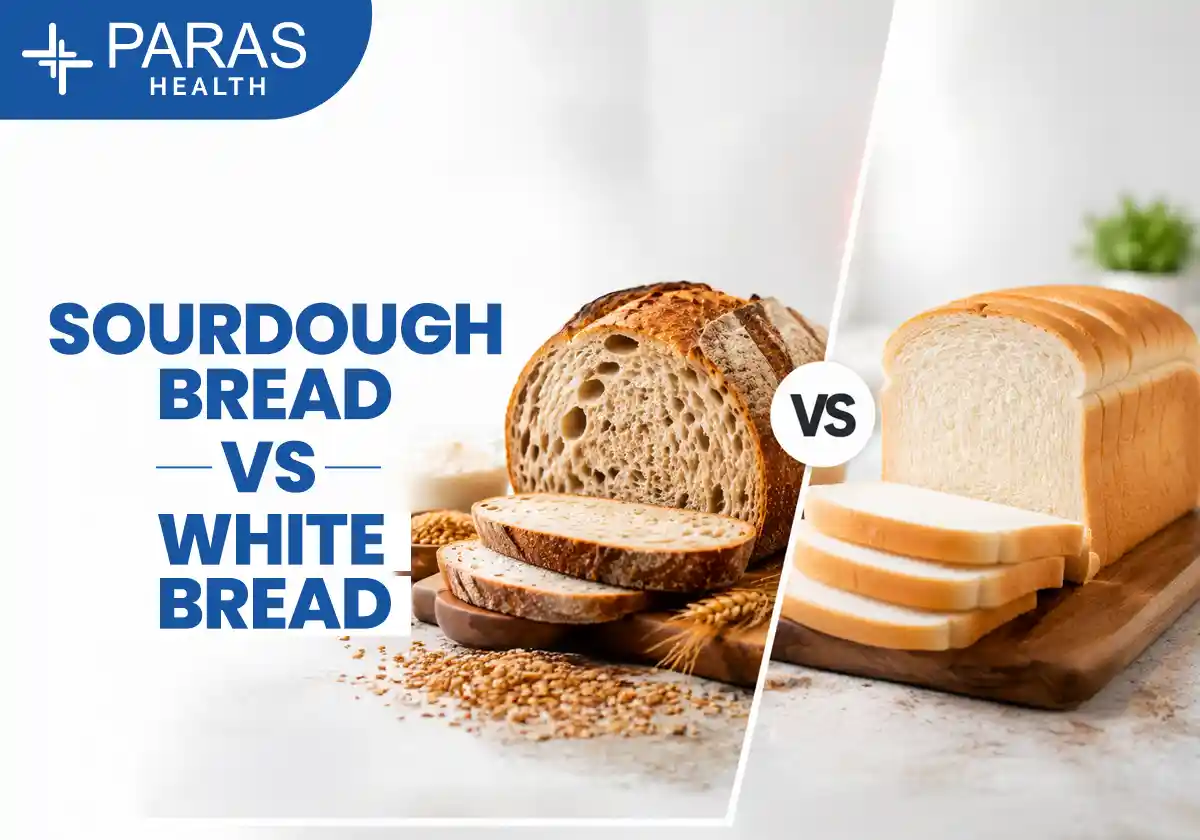
TABLE OF CONTENTS
- What Is the Difference Between Sourdough and White Bread?
- Sourdough vs White Bread: Nutrition Comparison
- Is Sourdough Healthier Than White Bread?
- Which Bread Is Better Based on Your Health Goals?
- Which Bread Raises Blood Sugar More?
- Does Sourdough Improve Gut Health?
- Is White Bread Always Unhealthy?
- Common Myths About Sourdough and White Bread
- How to Choose a Healthier Bread
- Key Facts
- Conclusion
- FAQs

Bread is a staple in many households, but with growing awareness about healthy eating, one question keeps coming up: Sourdough vs White Bread: Which Is Healthier for You?
If you've ever stood in the bakery aisle wondering whether to choose a rustic loaf of sourdough or a packet of white bread, you're not alone. While both are made from wheat flour, they differ in how they're prepared, how they affect your body, and the nutrients they provide.
The good news? There's no need to eliminate bread from your diet. The better choice depends on your health goals, lifestyle, and medical conditions. In this guide, we'll compare sourdough vs white bread in terms of nutrition, digestion, blood sugar, weight management, heart health, and more to help you make an informed decision.
What Is the Difference Between Sourdough and White Bread?
Although they may look similar, these two breads are made differently.
What Is Sourdough Bread?
Sourdough bread is made through a natural fermentation process. Instead of commercial yeast, it uses a sourdough starter containing wild yeast and beneficial bacteria. This fermentation gives sourdough its tangy flavor and chewy texture while also changing how the bread is digested.
The longer fermentation process may improve nutrient availability and make the bread easier for some people to digest.
What Is White Bread?
White bread is typically made using refined wheat flour and commercial yeast. The bran and germ are removed during processing, leaving mainly the starchy endosperm. Although many brands enrich white bread with vitamins and minerals, it generally contains less fiber than whole-grain alternatives.
White bread is soft, convenient, and widely available, making it a common choice for sandwiches and toast.
Sourdough vs White Bread: Nutrition Comparison
Here's a general comparison of sourdough nutrition and white bread nutrition (values vary by brand and recipe).
|
Nutrient |
Sourdough Bread |
White Bread |
|
Calories |
Similar |
Similar |
|
Carbohydrates |
Moderate |
Moderate |
|
Protein |
Slightly higher |
Moderate |
|
Fiber |
Usually higher (especially whole-grain sourdough) |
Lower |
|
Fat |
Low |
Low |
|
Glycemic Index |
Lower |
Higher |
|
Vitamins |
Naturally occurring + enriched (varies) |
Mostly enriched |
|
Minerals |
Better availability due to fermentation |
Lower bioavailability |
Is Sourdough Healthier Than White Bread?
When people ask, "Is sourdough healthier than white bread?", the answer is often yes—but with an important caveat.
Traditional sourdough offers several nutritional advantages:
- Natural fermentation may improve digestibility.
- It usually has a lower glycemic index.
- It may help you stay full for longer.
- Nutrient absorption can be slightly better because fermentation reduces compounds that interfere with mineral absorption.
- It is generally less processed than many commercially produced white breads.
However, neither bread is "healthy" or "unhealthy" on its own. Your overall eating pattern matters much more than one food choice.
Which Bread Is Better Based on Your Health Goals?
If You Have Diabetes
For people managing diabetes, controlling blood sugar is essential.
Because sourdough for diabetes often produces a slower rise in blood sugar compared with white bread, many experts consider it a better option. Choosing whole-grain sourdough provides additional fiber, which may further support blood sugar management.
Even then, portion size remains important. Eating several slices of sourdough can still raise blood glucose levels.
If You're Trying to Lose Weight
Many people searching for the best bread for weight loss wonder whether sourdough can help.
The calorie difference between sourdough and white bread isn't significant. What makes sourdough appealing is that its fermentation and fiber content may improve satiety, helping you feel full for longer.
Pair your bread with protein-rich foods like eggs, cottage cheese, or peanut butter for better appetite control.
If You Experience Digestive Problems
One of the biggest benefits of sourdough is digestion.
The fermentation process partially breaks down gluten and certain carbohydrates before baking. While sourdough isn't gluten-free, many people report that it feels gentler on their digestive system.
If you often experience bloating, mild digestive discomfort, or want the best bread for digestion, traditional sourdough may be worth trying.
If You Have Heart Disease or High Blood Pressure
For heart health, the focus should be on fiber, whole grains, and sodium.
Whole-grain sourdough generally contains more fiber than white bread, which supports healthy cholesterol levels. However, always check the nutrition label because sodium levels vary between brands.
Choosing minimally processed bread and limiting processed sandwich fillings can make a much bigger difference than the bread alone.
If You're Physically Active
Athletes and active individuals need carbohydrates for energy.
White bread digests quickly and may be useful before or immediately after intense exercise when fast energy is needed.
Sourdough provides steadier energy and works well for regular meals throughout the day.
If You're Feeding Children
Children need carbohydrates, protein, healthy fats, vitamins, and minerals for growth.
Both breads can fit into a healthy diet, but choosing whole-grain sourdough more often may increase fiber intake and support better overall nutrition.
If You're an Older Adult
Older adults often benefit from foods that are easier to digest while also supporting blood sugar stability.
Whole-grain sourdough paired with protein-rich foods such as yogurt, eggs, or lean meat can make a balanced and satisfying meal.
Which Bread Raises Blood Sugar More?
One of the biggest differences in the sourdough vs white bread debate is their effect on blood sugar.
White bread usually has a higher glycemic index, meaning it can cause blood sugar to rise more quickly.
Thanks to fermentation, sourdough glycemic index is often lower, resulting in a slower release of glucose into the bloodstream.
This makes sourdough a better option for many people concerned about blood sugar control, though it should still be eaten in moderation.
Does Sourdough Improve Gut Health?
Many people believe sourdough contains probiotics.
Here's the truth:
During baking, most live bacteria are destroyed by heat. However, the fermentation process creates beneficial compounds that may improve digestibility and support the gut microbiome.
The real benefit lies in fermentation—not live probiotics.
If your goal is better digestive health, sourdough can certainly be part of a gut-friendly diet alongside fruits, vegetables, legumes, and fermented foods like yogurt or kefir.
Is White Bread Always Unhealthy?
Not necessarily.
Although white bread health risks are often discussed, white bread isn't "bad" for everyone.
It may still be useful:
- After stomach illnesses when bland foods are recommended.
- Before endurance sports requiring quick energy.
- For individuals with digestive conditions requiring a low-fiber diet.
- When advised by a healthcare professional.
The key is moderation and balance.
Common Myths About Sourdough and White Bread
Myth 1: Sourdough is gluten-free.
False. Most sourdough still contains gluten unless specifically labeled gluten-free.
Myth 2: White bread should never be eaten.
False. White bread can fit into a balanced diet when consumed appropriately.
Myth 3: Sourdough contains no carbohydrates.
False. Both breads are carbohydrate-rich foods.
Myth 4: All sourdough breads are equally healthy.
False. Some commercial "sourdough" breads are made with added yeast and only minimal fermentation.
Myth 5: Brown bread is always healthier.
Not necessarily. Always read ingredient labels to identify whole-grain options.
How to Choose a Healthier Bread
Before buying bread, check the label for:
- Whole grain listed as the first ingredient
- At least 3–5 grams of fiber per serving
- Lower sodium content
- Minimal added sugar
- Short ingredient list
- Traditional fermentation for genuine sourdough
Key Facts
- Sourdough bread is naturally fermented, while white bread uses commercial yeast.
- Fermentation may improve nutrient absorption and digestibility.
- Sourdough generally has a lower glycemic index than white bread.
- Both breads contain similar calories, but their effects on fullness and blood sugar differ.
- Whole-grain sourdough provides more fiber than most white breads.
- White bread can still have a place in healthy eating when eaten in moderation.
- Your overall diet matters more than choosing one type of bread over another.
Conclusion
The debate around sourdough vs white bread isn't about declaring one bread "good" and the other "bad." Instead, it's about choosing the option that best aligns with your health needs.
If you're looking for better blood sugar control, improved digestion, or increased fiber intake, sourdough bread—especially whole-grain varieties—is often the better choice. On the other hand, white bread can still serve a purpose for quick energy, specific medical diets, or occasional meals.
Ultimately, the healthiest approach is to focus on your overall dietary pattern. Pair bread with lean proteins, healthy fats, and plenty of vegetables, watch your portion sizes, and choose minimally processed options whenever possible. If you have diabetes, heart disease, digestive disorders, or other chronic health conditions, consult a registered dietitian or healthcare professional for personalized nutrition advice.
FAQs
Is sourdough healthier than white bread?
Generally, yes. Traditional sourdough offers better digestibility, a lower glycemic response, and often more fiber, especially when made with whole grains.
Which bread is better for diabetes?
Whole-grain sourdough is usually a better option because it tends to raise blood sugar more slowly than white bread. Portion size still matters.
Is sourdough good for weight loss?
Sourdough can support weight management by helping you feel fuller for longer, especially when paired with protein and healthy fats.
Does sourdough have fewer calories than white bread?
Not really. Both breads contain similar calories. The difference lies more in digestion, fiber, and blood sugar response than calorie content.
Is sourdough easier to digest?
Many people find sourdough easier to digest because the fermentation process partially breaks down gluten and certain carbohydrates.
Can people with diabetes eat sourdough every day?
Yes, many people can, provided it's eaten in appropriate portions and as part of a balanced diet. Individual needs may vary.
Does sourdough improve gut health?
While baking destroys live probiotics, fermentation may improve digestibility and support a healthier gut microbiome when combined with an overall balanced diet.
Is white bread bad for your heart?
White bread isn't inherently harmful, but diets high in refined grains and low in fiber may increase cardiovascular risk over time. Whole-grain options are generally preferred.
What is the healthiest bread to eat?
Whole-grain sourdough is among the healthiest choices because it combines whole grains with natural fermentation, providing fiber and a lower glycemic response.
Should I replace white bread with sourdough?
If you enjoy sourdough and it fits your budget and preferences, replacing white bread with traditional whole-grain sourdough can be a healthier long-term choice.

 Eng .webp)