

Coconut Water vs Sports Drink: Which Is Better for Hydration?
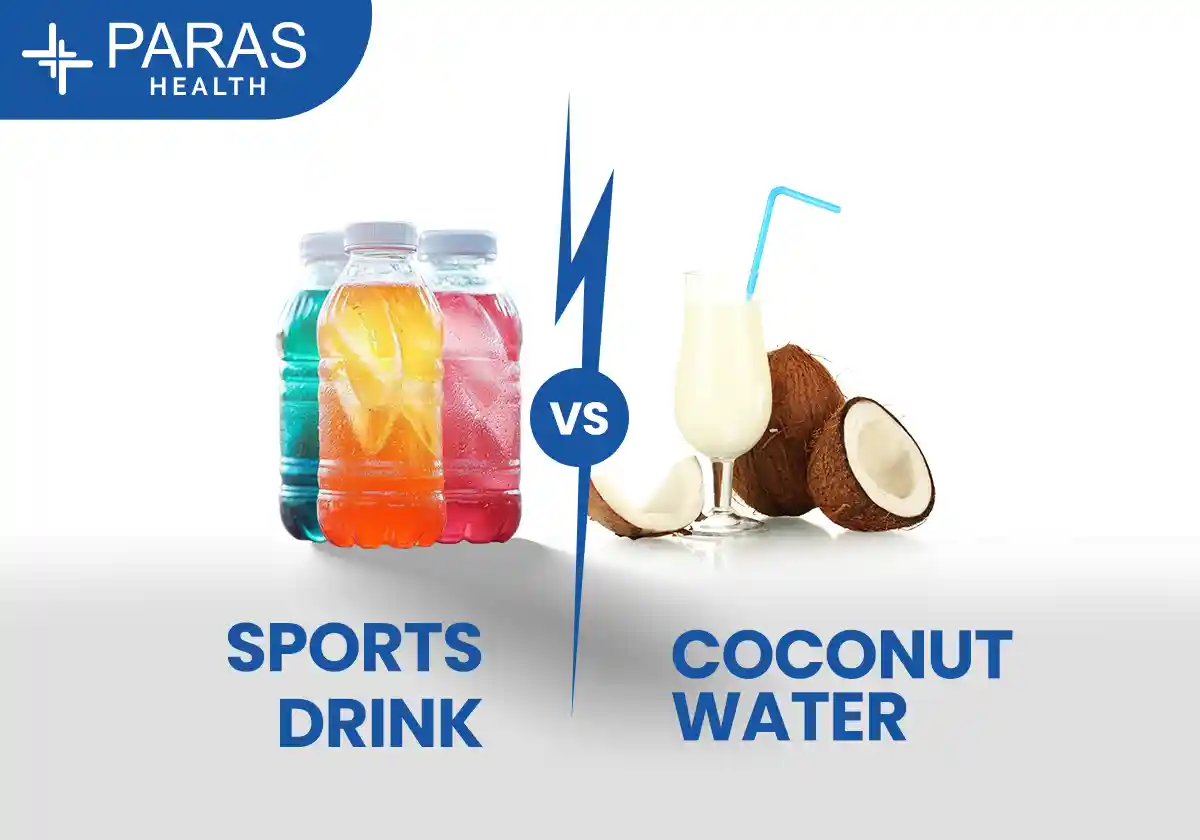
TABLE OF CONTENTS
- Understanding Hydration: What Your Body Actually Needs
- Coconut Water: Nature’s Hydration Drink
- Sports Drinks: Engineered for Performance
- Coconut Water vs Sports Drink: Head-to-Head Comparison
- Which Is Better for You? Personalized Hydration Guide
- Can Coconut Water Replace Sports Drinks?
- Signs Your Body Needs Electrolytes
- Key Facts You Should Know
- Conclusion
- FAQs

Hydration is something most people think about only when they feel thirsty. But by that time, your body may already be mildly dehydrated. Whether you are working out, walking in heat, or just going through a busy day, the choice of drink matters more than we realize.
Two popular options often come up in this discussion: coconut water and sports drinks. Both are widely used for hydration, especially after exercise. But they work very differently in the body.
So the real question is simple: Coconut Water vs Sports Drink: which is better for hydration?
Let’s break it down in a clear, practical, and science-backed way so you can make the right choice for your body.
Understanding Hydration: What Your Body Actually Needs
Before comparing drinks, it helps to understand what hydration really means.
Your body doesn’t just lose water when you sweat. It also loses important minerals called electrolytes, mainly:
- Sodium
- Potassium
- Magnesium
- Calcium
These electrolytes control muscle movement, nerve function, and fluid balance. When they drop, you may feel tired, dizzy, or get muscle cramps.
That’s why simple water is not always enough after heavy sweating or intense exercise. This is where electrolyte drinks like coconut water and sports drinks come in.
Coconut Water: Nature’s Hydration Drink
Coconut water is the clear liquid found inside young green coconuts. It is often called a natural electrolyte drink, and for good reason.
What makes coconut water special?
It naturally contains:
- High potassium
- Small amounts of sodium
- Magnesium and calcium
- Natural sugars
Because of this composition, it is often used as a gentle natural hydration drink.
Benefits of coconut water
- Helps in mild dehydration after workout
- Low in calories compared to packaged drinks
- Contains natural electrolytes
- Easier on the stomach
- No artificial additives
Many people prefer coconut water because it feels “clean” and natural.
Limitations
However, coconut water has its limits:
- Lower sodium content compared to sports drinks
- Not ideal for very intense or long-duration workouts
- May not fully replace electrolytes lost in heavy sweating
So while it is great for daily hydration, it may not always be enough for athletes.
Sports Drinks: Engineered for Performance
Sports drinks are specially designed beverages created to replace fluids and electrolytes quickly during or after intense physical activity.
They usually contain:
- Sodium (higher levels)
- Potassium
- Sugar or glucose
- Artificial flavoring (in many brands)
Benefits of sports drinks
- Quickly restore electrolytes lost during intense exercise
- Improve endurance during long workouts
- Help prevent dehydration in athletes
- Effective for prolonged sweating
This is why they are often recommended as a post workout drink for runners, cyclists, and athletes.
Limitations
Despite their benefits, sports drinks also have drawbacks:
- Higher sugar content
- May contain artificial ingredients
- Not necessary for light workouts or daily use
- Can add unnecessary calories
So while effective, they are not always the healthiest everyday choice.
Coconut Water vs Sports Drink: Head-to-Head Comparison
Let’s compare them side by side in a simple way:
1. Hydration effectiveness
- Coconut water: Good for light to moderate dehydration
- Sports drink: Better for heavy sweating and endurance activity
2. Electrolyte balance
- Coconut water: High potassium, low sodium
- Sports drink: Balanced sodium + glucose for rapid recovery
3. Sugar content
- Coconut water: Natural sugars, low overall
- Sports drink: Higher added sugar in many brands
4. Processing
- Coconut water: Natural
- Sports drink: Manufactured beverage
5. Best use case
- Coconut water: Daily hydration, gym beginners, mild workouts
- Sports drink: Athletes, marathon runners, intense training
This is why the debate of coconut water vs sports drink doesn’t have a single winner. It depends on your body and activity level.
Which Is Better for You? Personalized Hydration Guide
The truth is, hydration is not one-size-fits-all. Here’s a simple breakdown:
If you do light exercise or yoga
Choose coconut water.
It is light, refreshing, and enough for mild sweat loss.
If you do intense gym workouts or running
A sports drink may be more effective.
It replaces sodium faster and supports recovery.
If you are exposed to heat or outdoor work
You may need a combination depending on sweat loss.
If your goal is weight management
Coconut water is usually a better choice because it has fewer calories.
If you are recovering from extreme dehydration
Sports drinks may help faster, but medical advice is important in severe cases.
So the answer to which is better coconut water or sports drink really depends on your lifestyle.
Can Coconut Water Replace Sports Drinks?
This is a common question.
The answer is: sometimes yes, sometimes no.
- For casual workouts → Yes, coconut water works well
- For endurance sports → No, sports drinks are more effective
- For daily hydration → Coconut water is a healthier option
The key difference is sodium. Coconut water is rich in potassium but low in sodium, while sports drinks are designed to quickly restore sodium lost through sweat.
So neither is perfect alone for every situation.
Signs Your Body Needs Electrolytes
Your body often gives clear signals when hydration is not enough:
- Muscle cramps
- Fatigue even after drinking water
- Headache or dizziness
- Weakness during physical activity
- Excessive sweating in heat
If you notice these symptoms, you may need more than just water—you may need electrolyte drinks.
Key Facts You Should Know
Here are some simple, important takeaways:
- Coconut water is a natural hydration drink, not a complete electrolyte replacement for athletes
- Sports drinks are designed for high-intensity performance hydration
- Sodium is the key difference between the two
- Coconut water is better for everyday hydration
- Sports drinks are better for endurance sports recovery
- Both should be used based on activity level, not trend
Conclusion
So, Coconut Water vs Sports Drink: Which Is Better for Hydration?
The answer is simple: it depends on your body’s demand.
- Coconut water is a natural, light, and healthy hydration option
- Sports drinks are structured, powerful, and performance-focused
Neither is universally better. The smarter choice is understanding your activity level and choosing accordingly.
FAQs
Is coconut water better than sports drinks for hydration?
Coconut water is better for light hydration and daily use. However, for intense workouts, sports drinks may work faster in restoring electrolytes.
Can I drink coconut water after gym workout?
Yes, coconut water is a good post-workout drink for mild to moderate exercise as it helps restore potassium and fluids naturally.
Which drink replaces electrolytes faster, coconut water or sports drink?
Sports drinks replace electrolytes faster because they contain higher sodium levels, which are lost heavily during sweating.
Is sports drink good for daily use?
Not usually. Sports drinks contain added sugar and are better suited for intense physical activity, not everyday hydration.
Does coconut water have enough electrolytes?
Coconut water has good potassium but lower sodium, so it may not fully replace electrolytes after heavy exercise.
What is the healthiest drink after exercise?
It depends on workout intensity. Coconut water is healthier for light exercise, while sports drinks are better for endurance training.
Which is better for weight loss, coconut water or sports drink?
Coconut water is better for weight management because it has fewer calories and no added sugars.
Can coconut water cause side effects?
In moderation, it is safe. However, excessive intake may increase potassium levels, especially in people with kidney issues.
Do athletes prefer sports drinks or coconut water?
Most endurance athletes prefer sports drinks due to faster electrolyte replacement during prolonged activity.
What should I drink during dehydration?
Mild dehydration can be managed with coconut water or water, but severe dehydration may require sports drinks or medical care.



 Eng .webp)