
High Cortisol Levels: Symptoms & How to Reduce Naturally
TABLE OF CONTENTS
- What Is Cortisol & What Are Normal Cortisol Levels?
- What Happens When Cortisol Is Too High?
- High Cortisol Symptoms: Signs You Should Not Ignore
- What Causes High Cortisol Levels?
- High Cortisol in Females vs Males
- How Is High Cortisol Diagnosed?
- How to Reduce High Cortisol Levels Naturally
- High Cortisol and Weight Gain: What’s the Connection?
- When Should You See a Doctor?
- Quick Tips to Lower Cortisol Daily
- Key Facts About High Cortisol Levels
- Conclusion
- FAQs

If you’ve been feeling constantly tired, anxious, struggling with sleep, or noticing unexplained weight gain—your body could be trying to tell you something. One of the most common yet overlooked reasons behind these issues is high cortisol levels.
Cortisol is often called the stress hormone, and while it plays an important role in keeping your body functioning, too much cortisol can disrupt your entire system.
In today’s fast-paced lifestyle, chronic stress, poor sleep, and unhealthy habits are making cortisol hormone imbalance more common than ever.
Let’s understand what high cortisol means, its symptoms, causes, and how you can bring it back to balance.
What Is Cortisol & What Are Normal Cortisol Levels?
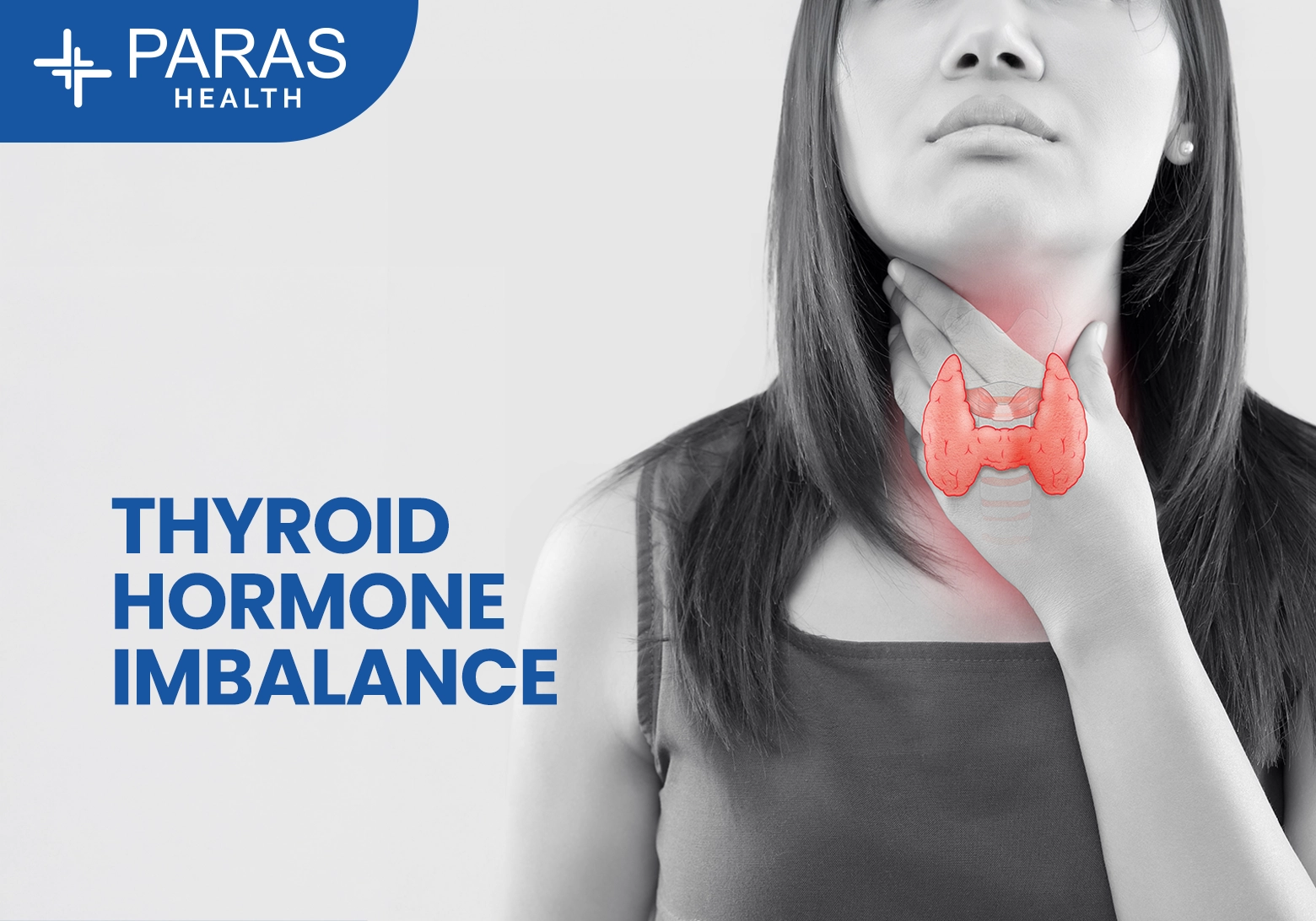
Cortisol is a hormone produced by the adrenal glands and helps your body:
- Manage stress
- Regulate metabolism
- Control blood sugar levels
- Support energy levels
Normally, cortisol levels follow a daily pattern:
- Morning cortisol levels: Highest (helps you wake up)
- Evening cortisol levels: Lowest (helps you relax and sleep)
When this rhythm is disturbed and cortisol remains elevated, it leads to high cortisol levels or excess cortisol, which can harm your health.
What Happens When Cortisol Is Too High?
Short bursts of cortisol are helpful, but chronic high cortisol can negatively affect your body.
Long-term effects include:
- Hormonal imbalance
- Increased fat storage
- Weakened immunity
- Mental health issues
In simple terms, when your body stays in “stress mode” for too long, it starts breaking down instead of recovering.
High Cortisol Symptoms: Signs You Should Not Ignore
Recognizing symptoms early is important. Here are the most common signs of high cortisol in the body:
Physical Symptoms
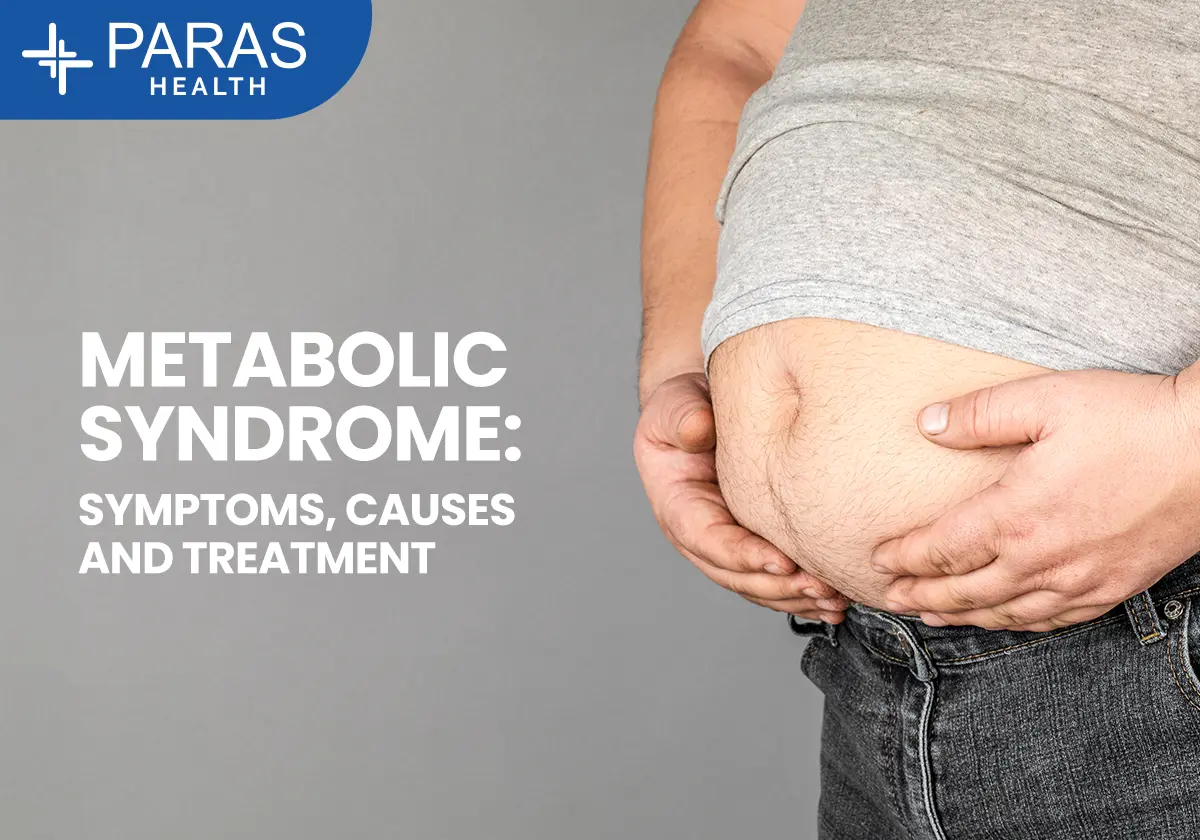
- Weight gain, especially belly fat (cortisol belly)
- Constant fatigue
- High blood pressure
- Hair loss and acne
Mental & Emotional Symptoms
- Anxiety and irritability
- Mood swings
- Brain fog and poor concentration
Sleep & Lifestyle Symptoms
- Insomnia or poor sleep
- Sugar cravings
- Frequent infections (low immunity)
If you’re experiencing multiple symptoms, it may indicate cortisol imbalance.
What Causes High Cortisol Levels?
There are several reasons behind elevated cortisol:
Lifestyle Causes
- Chronic stress (work pressure, emotional stress)
- Lack of sleep
- Poor diet (high sugar, processed foods)
- Excessive exercise
Medical Causes
- Cushing syndrome
- Adrenal gland disorders
- Hormonal imbalance
Stress is the most common trigger. When your body constantly feels under pressure, it keeps producing cortisol.
High Cortisol in Females vs Males
Cortisol affects men and women differently:
In Females:
- Can worsen PCOS symptoms
- Irregular periods
- Weight gain
In Males:
- Fat accumulation
- Reduced muscle mass
- Low energy
Hormonal balance is delicate, and cortisol can disturb it significantly.
How Is High Cortisol Diagnosed?
If you suspect high cortisol, a doctor may recommend:
- Cortisol blood test
- Cortisol saliva test
- 24-hour urine cortisol test
These tests help understand your cortisol pattern and confirm if levels are high.
How to Reduce High Cortisol Levels Naturally
The good news is—you can manage cortisol with simple lifestyle changes.
1. Manage Stress Effectively
- Practice meditation or deep breathing
- Take regular breaks from work
- Spend time with family
2. Improve Sleep Quality
- Aim for 7–8 hours of sleep
- Avoid screens before bedtime
3. Eat a Balanced Diet
Include:
- Fruits and vegetables
- Whole grains
- Nuts and seeds
Avoid:
- Excess sugar
- Caffeine
4. Exercise Smartly
- Moderate exercise like walking, yoga
- Avoid overtraining
5. Mind-Body Practices
- Yoga
- Meditation
- Mindfulness
These are proven ways to reduce cortisol naturally.
High Cortisol and Weight Gain: What’s the Connection?
One of the biggest concerns is weight gain due to high cortisol.
Here’s why it happens:
- Cortisol increases appetite
- Promotes fat storage (especially around abdomen)
- Slows metabolism
This is why many people struggle with stubborn belly fat despite dieting.
When Should You See a Doctor?
Consult a doctor if you notice:
- Persistent fatigue
- Sudden weight gain
- Severe anxiety
- Sleep disturbances
Early diagnosis can prevent long-term complications.
Quick Tips to Lower Cortisol Daily
- Sleep on time
- Stay hydrated
- Practice mindfulness
- Eat clean
- Stay physically active
Small changes can make a big difference.
Key Facts About High Cortisol Levels
- Cortisol is essential but harmful when consistently high
- Chronic stress is the biggest cause
- High cortisol affects weight, sleep, and mental health
- Lifestyle changes can significantly reduce cortisol
- Early diagnosis helps prevent complications
Conclusion
Your body constantly communicates with you. High cortisol levels are often a sign that something is out of balance—especially stress and lifestyle habits.
The key is to identify early symptoms, make lifestyle changes, and seek medical advice when needed.
FAQs
Why is my cortisol level high?
High cortisol is usually caused by chronic stress, poor sleep, or underlying health conditions like adrenal disorders.
How do I know if my cortisol is high?
Common signs include weight gain, fatigue, anxiety, and sleep problems. A cortisol test confirms it.
What are symptoms of high cortisol?
Symptoms include belly fat, mood swings, insomnia, and low immunity.
How can I reduce cortisol naturally at home?
Focus on stress management, proper sleep, balanced diet, and regular exercise.
Is high cortisol dangerous?
Yes, long-term high cortisol can lead to serious health issues like hypertension and hormonal imbalance.
Can stress increase cortisol levels?
Yes, stress is the primary trigger for elevated cortisol levels.
What foods reduce cortisol levels?
Fruits, vegetables, whole grains, and nuts help lower cortisol.
How long does cortisol stay high?
It depends on the cause. Chronic stress can keep cortisol elevated for long periods.
Can high cortisol cause weight gain?
Yes, especially around the abdomen due to increased fat storage.
Which doctor treats high cortisol levels?
An endocrinologist specializes in hormonal imbalances including cortisol.