
Lower Back Pain in Women: Signs You Should Never Ignore

TABLE OF CONTENTS
- Understanding Lower Back Pain in Women
- Common Causes of Lower Back Pain in Women
- Lower Back Pain Symptoms You Should Never Ignore
- How Doctors Diagnose Lower Back Pain
- Exercises That May Help Relieve Lower Back Pain
- Lifestyle Tips to Prevent Lower Back Pain
- When Should You See a Doctor?
- Key Facts About Lower Back Pain in Women
- Conclusion
- FAQs

Have you ever brushed off lower back pain in women as "just another busy day," "poor posture," or "period pain"? You're not alone. Many women experience occasional back pain due to long hours at work, household responsibilities, pregnancy, or hormonal changes. In many cases, the discomfort improves with rest. However, persistent or severe pain should never be ignored.
Sometimes, female lower back pain is a sign of muscle strain, but it can also indicate conditions involving the spine, nerves, kidneys, or reproductive organs. Understanding the difference between ordinary aches and warning signs can help you seek timely treatment and prevent complications.
In this guide, we'll explain the causes of lower back pain in women, symptoms that require medical attention, treatment options, prevention strategies, and when you should consult a doctor.
Understanding Lower Back Pain in Women
The lower back, also called the lumbar spine, supports much of your body's weight and allows you to bend, twist, walk, and lift objects. When muscles, joints, discs, nerves, or nearby organs are affected, pain can develop.
Lower back pain may be acute, lasting a few days to a few weeks, or chronic, persisting for more than three months. Women may experience back pain differently because hormonal changes, menstruation, pregnancy, menopause, and certain gynecological conditions can all contribute to discomfort.
While occasional pain is common, chronic lower back pain in women should always be evaluated by a healthcare professional to identify the underlying cause.
Common Causes of Lower Back Pain in Women
There isn't one single reason for lower back pain in women. The cause often depends on age, lifestyle, medical history, and overall health.
Muscle and Ligament Strain
This is one of the most common causes of lower back pain. It may occur due to:
- Poor posture
- Sitting for prolonged hours
- Lifting heavy objects incorrectly
- Sudden twisting movements
- Weak core muscles
- Lack of regular exercise
Spine-Related Conditions
Problems affecting the spine can lead to persistent pain, stiffness, and nerve compression. Common conditions include:
- Herniated disc
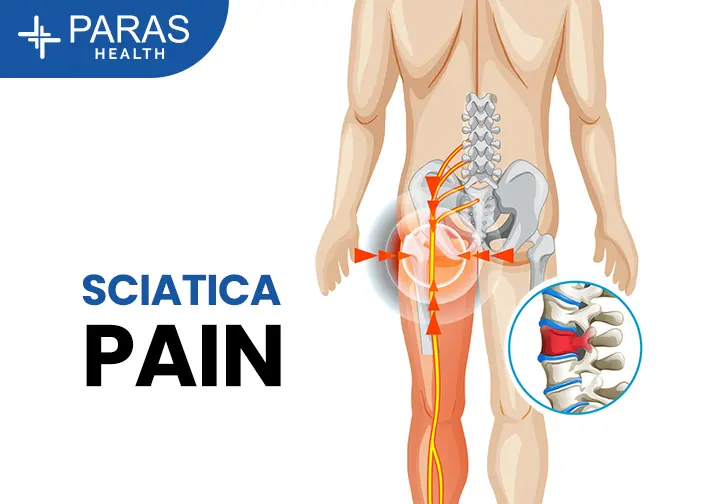
- Sciatica in women
- Degenerative disc disease
- Osteoarthritis of the spine
- Spinal stenosis
- Sacroiliac joint dysfunction
Pain from these conditions may travel down the hips, buttocks, or legs.
Women's Health Conditions
Several gynecological conditions may cause or worsen lower back pain symptoms, including:
- Menstrual cramps
- Ovulation pain
- Endometriosis
- Uterine fibroids
- Ovarian cysts
- Pelvic inflammatory disease (PID)
Unlike muscle pain, these conditions are often accompanied by pelvic discomfort, heavy bleeding, or irregular menstrual cycles.
Pregnancy and Postpartum Changes
Pregnancy places additional pressure on the lower back due to weight gain, shifting posture, and hormonal changes that loosen ligaments. Even after childbirth, weak abdominal muscles and lifting the baby repeatedly can contribute to ongoing discomfort.
Kidney and Urinary Problems
Sometimes lower back pain may not originate from the spine at all. Kidney infections, kidney stones, or urinary tract infections (UTIs) can cause pain on one or both sides of the lower back, often accompanied by fever, burning during urination, or nausea.
Lower Back Pain Symptoms You Should Never Ignore
While mild soreness often improves on its own, certain lower back pain symptoms require medical evaluation.
Seek medical attention if you experience:
- Pain lasting more than four to six weeks
- Pain that spreads to one or both legs
- Numbness or tingling in the legs or feet
- Weakness while walking or climbing stairs
- Severe pain after a fall or accident
- Pain that wakes you up at night
- Fever along with back pain
- Unexplained weight loss
- Difficulty controlling bladder or bowel movements
- Persistent back pain along with pelvic pain or abnormal vaginal bleeding
These warning signs may indicate nerve compression, infection, fractures, or other serious medical conditions.
When Lower Back Pain May Be Related to Women's Health
Women often wonder whether their back pain is linked to hormonal changes or reproductive health. In some cases, it is.
Pain during menstruation is common, but severe or worsening pain every month could suggest endometriosis or fibroids. Similarly, persistent pelvic pain with lower back pain in women should never be ignored.
Pregnancy-related discomfort is expected, but severe pain accompanied by fever, bleeding, or contractions requires immediate medical assessment.
After menopause, reduced estrogen levels can contribute to osteoporosis, increasing the risk of spinal fractures and chronic back pain.
How Doctors Diagnose Lower Back Pain
Finding the right lower back pain diagnosis begins with understanding your symptoms.
Your doctor may ask about:
- When the pain started
- Where the pain is located
- Activities that worsen or relieve it
- Previous injuries
- Menstrual and pregnancy history
- Medical conditions and medications
Depending on your symptoms, further evaluation may include:
- Physical examination
- Neurological examination
- X-rays
- MRI scans
- CT scans
- Blood tests
- Urine tests if kidney problems are suspected
Accurate diagnosis ensures that treatment targets the underlying cause rather than simply relieving pain temporarily.
Lower Back Pain Treatment Options
The best lower back pain treatment depends entirely on the diagnosis.
Most women improve with conservative treatment that includes:
- Activity modification
- Physiotherapy
- Stretching exercises
- Core strengthening
- Heat and cold therapy
- Pain-relieving medications prescribed by a doctor
- Lifestyle modifications
For persistent pain caused by spinal disorders, doctors may recommend:
- Image-guided injections
- Nerve blocks
- Minimally invasive spine procedures
- Surgery, when conservative treatment is unsuccessful
Early intervention often leads to better outcomes and prevents chronic disability.
Exercises That May Help Relieve Lower Back Pain
Gentle movement can support recovery and improve flexibility. Some commonly recommended exercises include:
- Pelvic tilts
- Cat-Cow stretch
- Child's Pose
- Knee-to-chest stretch
- Bird Dog exercise
- Walking
- Core-strengthening exercises
If pain is severe, radiates down the legs, or follows an injury, consult your doctor before beginning any exercise program.
Lifestyle Tips to Prevent Lower Back Pain
Preventing chronic lower back pain often starts with small daily habits.
- Maintain a healthy body weight.
- Exercise regularly.
- Strengthen your abdominal and back muscles.
- Practice good posture while sitting and standing.
- Use ergonomic chairs if you work at a desk.
- Avoid lifting heavy objects incorrectly.
- Stretch after long periods of sitting.
- Sleep on a supportive mattress.
- Stay hydrated and eat a balanced diet rich in calcium and vitamin D.
- Manage stress, as muscle tension can worsen back pain.
When Should You See a Doctor?
You should consult a spine specialist, orthopedic doctor, neurologist, or gynecologist if:
- Pain lasts more than a few weeks.
- Pain keeps returning.
- Daily activities become difficult.
- You experience numbness, tingling, or weakness.
- Pain follows an accident.
- Fever accompanies back pain.
- There is unexplained weight loss.
- You have bladder or bowel control problems.
- Pain is associated with abnormal menstrual bleeding or persistent pelvic pain.
Prompt medical evaluation can help identify the cause early and prevent complications.
Key Facts About Lower Back Pain in Women
- Lower back pain in women is one of the most common musculoskeletal complaints worldwide.
- Hormonal changes, pregnancy, menstruation, and menopause can contribute to back pain alongside spine-related conditions.
- Most episodes improve with conservative treatment, but persistent pain should always be evaluated.
- Red flag symptoms such as numbness, severe weakness, fever, or bladder dysfunction require urgent medical attention.
- Regular exercise, maintaining a healthy weight, and good posture can significantly reduce the risk of chronic lower back pain.
- Conditions such as endometriosis, fibroids, kidney stones, and spinal disorders may all present with lower back pain, making accurate diagnosis essential.
Conclusion
Although lower back pain in women is extremely common, it should never be dismissed when it becomes persistent, severe, or is accompanied by other concerning symptoms. Whether the cause is a simple muscle strain, a spinal disorder, a kidney condition, or a gynecological problem, identifying the source early can make treatment more effective and help prevent long-term complications.
If your back pain is interfering with your daily life or showing warning signs such as numbness, weakness, fever, bladder problems, or abnormal pelvic symptoms, don't delay seeking medical care. Early diagnosis, the right treatment plan, and healthy lifestyle habits can help you regain mobility, reduce pain, and improve your overall quality of life.
FAQs
What causes lower back pain in women?
Lower back pain in women can result from muscle strain, poor posture, spinal problems, pregnancy, menstrual changes, endometriosis, fibroids, kidney conditions, or nerve compression. The exact cause depends on your symptoms and medical history.
Can periods cause severe lower back pain?
Yes. Menstrual cramps can cause temporary back pain, but severe or recurring pain every month may indicate conditions like endometriosis or fibroids and should be medically evaluated.
When should I worry about lower back pain?
Seek medical advice if pain lasts longer than a few weeks, spreads to the legs, causes numbness or weakness, occurs with fever, or affects bladder or bowel control.
Can lower back pain be a sign of kidney problems?
Yes. Kidney infections or kidney stones may cause pain in the lower back, especially if accompanied by fever, nausea, or painful urination.
Which doctor should I consult for lower back pain?
Depending on the cause, you may need to see an orthopedic specialist, spine surgeon, neurologist, gynecologist, physiotherapist, or pain management specialist.
Can endometriosis cause lower back pain?
Yes. Endometriosis can cause chronic pelvic pain that often radiates to the lower back, particularly during menstruation.
What are the best exercises for lower back pain?
Walking, pelvic tilts, Cat-Cow stretches, Child's Pose, Bird Dog exercises, and core-strengthening movements may help. However, consult a doctor if your pain is severe or persistent.
Is lower back pain common during pregnancy?
Yes. Hormonal changes, weight gain, and altered posture make pregnancy back pain very common. Gentle exercise, proper posture, and medical guidance can help manage symptoms safely.
How can I relieve lower back pain naturally?
Applying heat, staying active, maintaining good posture, stretching regularly, strengthening core muscles, and managing body weight may provide lower back pain relief for many women.
Can stress cause lower back pain?
Yes. Emotional stress can increase muscle tension, leading to stiffness and discomfort in the lower back. Relaxation techniques, regular exercise, and adequate sleep may help reduce stress-related pain.