Coronary Artery Disease (CAD): Causes, Symptoms, Diagnosis, Treatment and Prevention
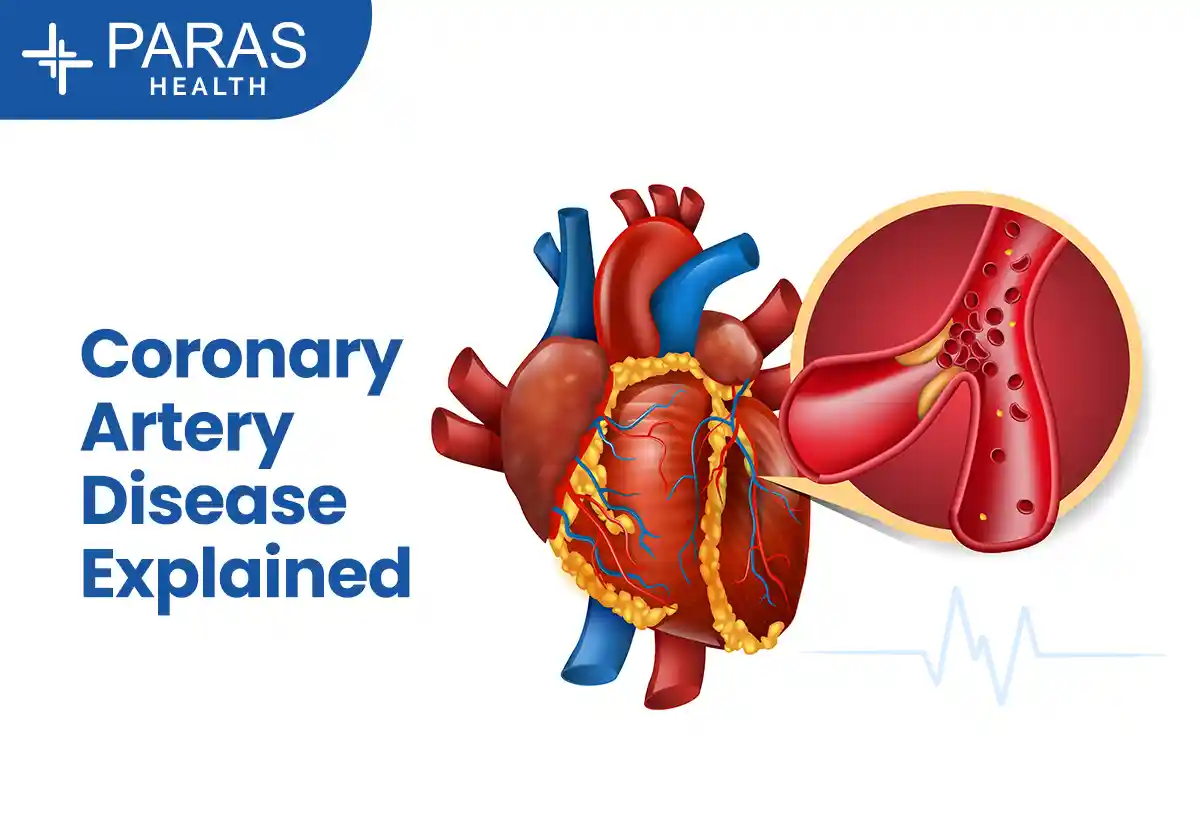
TABLE OF CONTENTS
- What Is Coronary Artery Disease?
- What Causes Coronary Artery Disease?
- What Are the Symptoms of Coronary Artery Disease?
- How Is Coronary Artery Disease Diagnosed?
- Treatment for Coronary Artery Disease
- Possible Complications of Coronary Artery Disease
- How Can Coronary Artery Disease Be Prevented?
- When Should You Consult a Cardiologist?
- FAQs

The heart needs a steady supply of oxygen-rich blood to function properly. Coronary artery disease (CAD) develops when the arteries supplying blood to the heart become narrowed or blocked, reducing blood flow to the heart muscle.
The condition often develops gradually, and some people may not notice symptoms in the early stages. Understanding its causes, symptoms, and treatment options can help people make informed decisions about their heart health.
What Is Coronary Artery Disease?
Coronary artery disease affects the blood vessels that supply the heart muscle. The most common cause is atherosclerosis, a process in which cholesterol, fat, and other substances collect inside artery walls and form deposits called plaques.
As these deposits grow, the arteries may become narrower, limiting the blood reaching the heart. In some cases, a plaque ruptures and a blood clot forms, which can lead to a heart attack.
What Causes Coronary Artery Disease?
Atherosclerosis is the main cause of most cases of CAD. Several factors can contribute to its development:
- High LDL cholesterol: Excess LDL cholesterol can enter artery walls and contribute to plaque formation.
- High blood pressure: Persistently elevated blood pressure can damage blood vessels and increase cardiovascular risk.
- Smoking: Tobacco chemicals harm blood vessels and promote atherosclerosis.
- Diabetes: High blood sugar can damage blood vessels and increase the risk of heart disease.
- Inflammation: Inflammatory processes within artery walls can contribute to the progression of atherosclerosis.
These factors may occur together, increasing the likelihood of coronary artery disease.
What Are the Symptoms of Coronary Artery Disease?
Symptoms vary depending on the person and the severity of the condition. Some people experience symptoms during physical activity, while others may have no noticeable signs in the early stages.
Common symptoms include:
- Chest pain or discomfort: Pressure, tightness, squeezing, or heaviness in the chest, commonly known as angina.
- Shortness of breath: Breathlessness during exercise or everyday activities.
- Unusual tiredness: Fatigue, particularly during physical exertion.
- Pain in other areas: Discomfort that spreads to the arms, shoulders, neck, jaw, back, or upper abdomen.
- Dizziness or light-headedness: These symptoms may occur alongside other signs of a heart problem.
Symptoms can become more noticeable when the heart needs additional oxygen, such as during exercise or emotional stress.
Symptoms of CAD in Women
Women may experience chest discomfort and breathlessness, but some also report less typical symptoms, including:
- Unusual or persistent fatigue
- Nausea or an upset stomach
- Discomfort in the back, jaw, neck, or shoulder
- Shortness of breath
- Light-headedness
These symptoms can have other causes, so a healthcare professional should assess new or unexplained symptoms in the context of the person's overall health.
How Is Coronary Artery Disease Diagnosed?
A doctor considers symptoms, medical history, family history, and cardiovascular risk factors before recommending tests.
1. Electrocardiogram (ECG)
An ECG records the heart's electrical activity. It can identify certain rhythm problems and signs of reduced blood supply or previous heart damage. A normal ECG does not rule out CAD.
2. Echocardiogram
This ultrasound test produces images of the heart and helps assess its structure, pumping function, and valves. It can also show whether the heart muscle has been affected by reduced blood supply.
3. Blood Tests
Blood tests measure cholesterol and blood sugar. If heart muscle damage is suspected, doctors may also check troponin levels, which can rise when heart muscle cells are injured.
4. CT Coronary Angiography
This scan uses a CT scanner and contrast dye to create images of the coronary arteries. It can help identify plaque and narrowing.
5. Invasive Coronary Angiography
A thin tube called a catheter is guided through a blood vessel to the heart. Contrast dye and X-ray imaging help doctors identify the location and severity of coronary artery narrowing.
Not everyone needs every test. A cardiologist recommends investigations based on the patient's symptoms and clinical findings.
Treatment for Coronary Artery Disease
Treatment aims to control symptoms, improve blood flow when needed, slow disease progression, and reduce the risk of complications. The approach depends on the severity of CAD and the patient's overall health.
1. Lifestyle Changes and Medicines
A doctor may recommend:
- Eating a balanced diet rich in vegetables, fruits, whole grains, and pulses.
- Limiting foods high in saturated fats, trans fats, excess salt, and added sugar.
- Following a suitable physical activity plan.
- Stopping smoking and avoiding tobacco.
- Maintaining a healthy weight.
- Monitoring blood pressure, cholesterol, and blood sugar.
Medicines may include cholesterol-lowering drugs, antiplatelet medicines, and treatments for blood pressure or other cardiovascular conditions. The choice depends on individual needs. Patients should take medicines as prescribed and consult their doctor before making changes.
2. Coronary Angioplasty and Stent Placement
Angioplasty widens a narrowed coronary artery using a small balloon attached to a catheter. A stent, a small mesh tube, is often placed to help keep the artery open.
The procedure may be recommended when symptoms, test results, and the severity of narrowing indicate that restoring blood flow would be beneficial.
3. Coronary Artery Bypass Grafting (CABG)
Bypass surgery creates an alternative route for blood to reach the heart muscle. Surgeons use a healthy blood vessel from another part of the body to bypass a narrowed or blocked coronary artery.
CABG may be considered when several arteries are affected or when the location and severity of the disease make surgery an appropriate option. Not everyone with CAD needs a procedure; many people can manage the condition with medicines and lifestyle changes.
Possible Complications of Coronary Artery Disease
If blood flow to the heart is significantly restricted, complications may develop. These include:
- Heart attack: Damage to the heart muscle caused by a sudden interruption of blood flow.
- Heart failure: Reduced heart function that makes pumping blood less effective.
- Abnormal heart rhythms: Irregular heartbeats caused by changes in the heart muscle or electrical system.
- Reduced exercise tolerance: Difficulty with physical activity because of limited blood supply.
Diagnosis, appropriate treatment, and regular follow-up can help manage CAD and reduce the risk of complications.
How Can Coronary Artery Disease Be Prevented?
Healthy habits and control of cardiovascular risk factors can help lower the risk of CAD.
- Eat a balanced diet: Choose vegetables, fruits, whole grains, pulses, and other nutritious foods.
- Stay active: Follow a physical activity plan suited to your fitness and medical condition.
- Avoid tobacco: Smoking damages blood vessels and increases cardiovascular risk.
- Monitor cholesterol and blood pressure: Regular checks can help identify problems early.
- Manage diabetes: Follow your doctor's advice to keep blood sugar within the recommended range.
- Maintain a healthy weight: This can support better blood pressure, cholesterol, and blood sugar control.
- Attend regular check-ups: These are particularly important for people with diabetes, high blood pressure, high cholesterol, or a family history of early heart disease.
Consistent lifestyle changes and appropriate medical care can support long-term heart health.
When Should You Consult a Cardiologist?
Consider consulting a cardiologist if you experience recurring chest discomfort, breathlessness during routine activities, or unexplained symptoms that may be related to your heart.
A cardiovascular assessment may also be useful if you have diabetes, high blood pressure, high cholesterol, or a family history of early heart disease. Regular follow-up helps people with diagnosed CAD monitor risk factors and review their treatment.
FAQs
1. Can coronary artery disease be cured?
CAD is generally a long-term condition. Medicines, lifestyle changes, and appropriate procedures can help manage symptoms, improve blood flow when needed, and reduce the risk of complications.
2. Can a person have CAD without symptoms?
Yes. Some people have CAD without noticeable symptoms, particularly in the early stages. A doctor can assess individual risk factors and determine whether further testing is appropriate.
3. Can coronary artery disease be treated without surgery?
Yes. Many people manage CAD with lifestyle changes and medicines. Others may need angioplasty or bypass surgery, depending on the severity and location of the narrowing and their overall clinical condition.
4. What is the difference between CAD and a heart attack?
CAD occurs when the coronary arteries become narrowed or blocked. A heart attack happens when blood flow to part of the heart muscle is suddenly interrupted, often because a blood clot blocks a coronary artery.
5. Which doctor treats coronary artery disease?
A cardiologist diagnoses and manages CAD. Depending on the patient's condition, treatment may also involve an interventional cardiologist or cardiac surgeon.