Ischemic Heart Disease: Causes, Symptoms, Diagnosis, Treatment and Prevention

TABLE OF CONTENTS
- What Causes Ischemic Heart Disease?
- What Are the Symptoms of Ischemic Heart Disease?
- How Is Ischemic Heart Disease Diagnosed?
- Treatment for Ischemic Heart Disease
- Possible Complications of Ischemic Heart Disease
- How Can Ischemic Heart Disease Be Prevented?
- When Should You Consult a Doctor?
- Conclusion
- FAQs

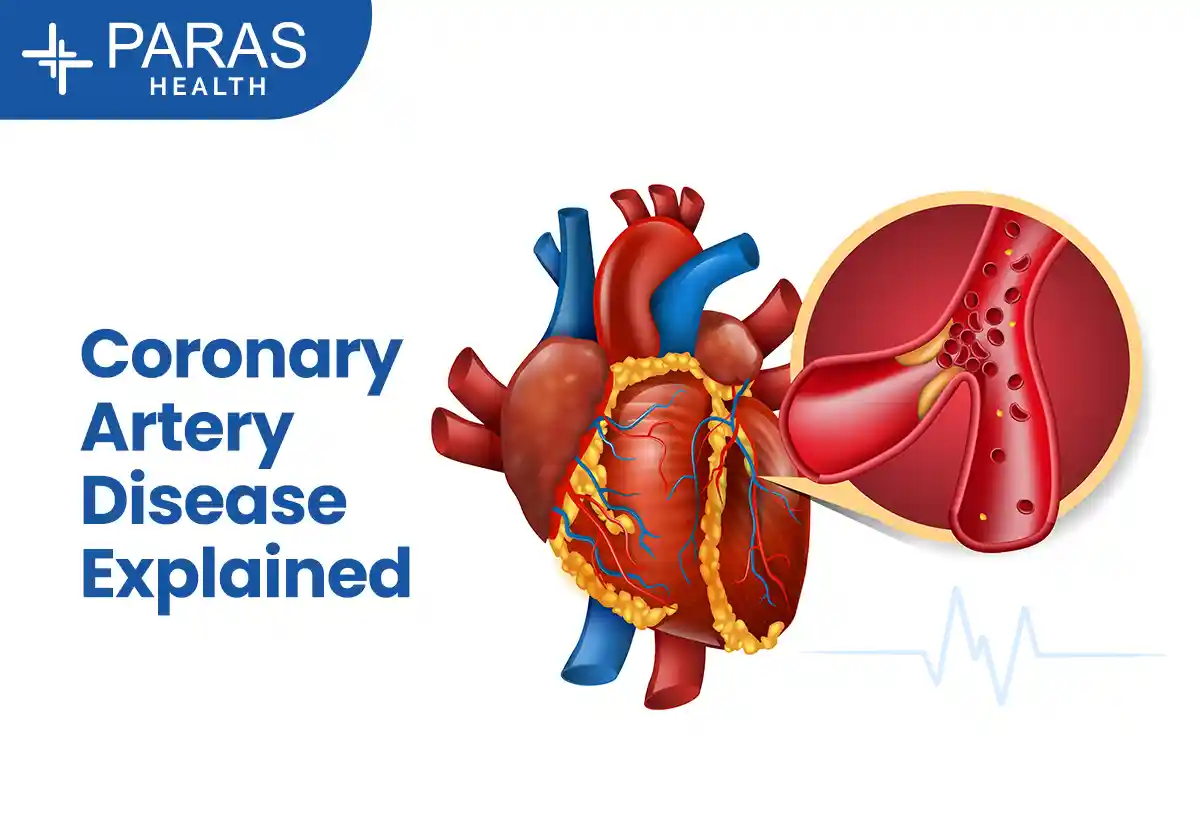
Ischemic heart disease (IHD) occurs when the heart muscle does not receive enough oxygen-rich blood, usually because the coronary arteries become narrowed or blocked. This can cause chest discomfort, breathlessness or fatigue and increase the risk of a heart attack.
The condition is commonly associated with coronary artery disease (CAD). Its most common cause is atherosclerosis, in which cholesterol, fats and other substances form plaques inside artery walls, gradually narrowing the arteries and restricting blood flow to the heart.
What Causes Ischemic Heart Disease?
Atherosclerosis is the most common cause of ischemic heart disease. However, coronary artery spasms and problems affecting smaller blood vessels can also reduce blood supply to the heart.
Several factors increase the risk of developing the condition:
- High cholesterol: High levels of LDL (bad) cholesterol can lead to fatty deposits forming inside the arteries.
- High blood pressure: Persistently raised blood pressure can damage blood vessels and increase cardiovascular risk.
- Diabetes: High blood sugar over time can damage blood vessels and increase the risk of coronary artery disease.
- Smoking and tobacco use: Tobacco damages artery walls and increases the risk of blood clots.
- Obesity: Excess body weight is associated with high blood pressure, diabetes and abnormal cholesterol levels.
- Physical inactivity: Lack of regular exercise can affect cardiovascular health.
- Unhealthy diet: Foods high in saturated fats, trans fats and excess salt can increase heart disease risk.
- Family history and age: The risk increases with age and may be higher in people with close relatives who developed heart disease early.
Having multiple risk factors can further increase the likelihood of developing ischemic heart disease.
What Are the Symptoms of Ischemic Heart Disease?
Symptoms vary depending on the extent of reduced blood flow. Some people experience discomfort during physical activity, while others may have no noticeable symptoms.
Common symptoms include:
- Chest pain or discomfort: Pressure, heaviness, squeezing or tightness in the chest, commonly known as angina.
- Shortness of breath: Difficulty breathing during walking, climbing stairs or everyday activities.
- Unusual fatigue: Feeling excessively tired, particularly during physical activity.
- Pain in other areas: Discomfort that may spread to the arms, shoulders, neck, jaw, back or upper abdomen.
- Dizziness: Light-headedness or unsteadiness that may occur with other symptoms.
- Nausea and sweating: These may accompany reduced blood flow, particularly during a heart attack.
- Palpitations: A sensation of a fast or irregular heartbeat.
Can Ischemic Heart Disease Occur Without Symptoms?
Yes. Silent myocardial ischemia occurs when blood flow to the heart is reduced without noticeable chest pain. It may be more common in people with diabetes and can remain undetected without medical evaluation.
How Is Ischemic Heart Disease Diagnosed?
Diagnosis involves reviewing symptoms, medical history and cardiovascular risk factors. A doctor may recommend the following tests depending on the patient's condition.
1. Electrocardiogram (ECG)
An ECG records the heart's electrical activity. It can help identify abnormal heart rhythms and changes suggesting reduced blood supply or previous heart damage. A normal ECG does not completely rule out ischemic heart disease.
2. Echocardiography (2D Echo)
An echocardiogram uses ultrasound to assess the heart's pumping function, valve movement and contraction of different areas of the heart muscle.
3. Exercise Stress Test (TMT)
A treadmill test monitors the heart's electrical activity during exercise. It may help identify changes associated with reduced blood flow when the heart works harder.
4. CT Coronary Angiography
This test uses a CT scanner and contrast dye to examine the coronary arteries and identify areas of narrowing or blockage.
5. Coronary Angiography
A thin catheter is guided through a blood vessel towards the heart. Contrast dye is injected to make the coronary arteries visible on X-ray images. This helps identify the location and severity of blockages.
6. Blood Tests
Blood tests help assess cholesterol and blood sugar levels. If a heart attack is suspected, doctors may check troponin levels. Troponin is a protein released into the blood when heart muscle cells are damaged.
Not every patient needs all these tests. The choice depends on symptoms and clinical findings.
Treatment for Ischemic Heart Disease
Treatment aims to relieve symptoms, improve blood flow when necessary and reduce the risk of further heart problems. The approach depends on the severity of coronary artery disease and the patient's overall health.
1. Lifestyle Changes
Doctors recommend a balanced diet, suitable physical activity, weight management and avoiding smoking or tobacco. Managing blood pressure, cholesterol and blood sugar is also important.
2. Medications
Medicines may be prescribed to lower cholesterol, control blood pressure, reduce the risk of blood clots and relieve chest pain. The choice depends on the patient's condition and medical history.
3. Coronary Angioplasty and Stenting
Angioplasty widens narrowed coronary arteries using a small balloon attached to a catheter. A stent, which is a small mesh tube, is often placed inside the artery to help keep it open and improve blood flow.
4. Coronary Artery Bypass Grafting (CABG)
CABG, commonly called heart bypass surgery, creates an alternative route for blood to reach the heart muscle. A healthy blood vessel from another part of the body is used to bypass a narrowed or blocked coronary artery.
It may be recommended when multiple arteries are significantly affected or bypass surgery is considered more suitable.
5. Cardiac Rehabilitation
Cardiac rehabilitation is a supervised programme that includes guided exercise, heart-health education and support for managing cardiovascular risk factors. It helps patients recover after a heart attack or cardiac procedure.
Possible Complications of Ischemic Heart Disease
Prolonged or severe reduction in blood supply can lead to complications such as:
- Heart attack (myocardial infarction): Damage to the heart muscle caused by interrupted blood supply.
- Heart failure: A condition in which the heart cannot pump blood effectively enough to meet the body's needs.
- Arrhythmias: Abnormal heart rhythms that may develop due to heart muscle damage.
- Ischemic cardiomyopathy: Weakening of the heart muscle due to prolonged or repeated inadequate blood supply.
- Sudden cardiac arrest: An abrupt loss of effective heart function, sometimes caused by dangerous abnormal heart rhythms.
Early diagnosis and appropriate treatment can help reduce the risk of these complications.
How Can Ischemic Heart Disease Be Prevented?
Healthy habits and proper management of cardiovascular risk factors can help reduce the likelihood of developing ischemic heart disease.
- Eat a balanced diet: Include fruits, vegetables, whole grains and pulses while limiting saturated fats, trans fats and excess salt.
- Stay physically active: Exercise regularly according to your age, fitness level and medical condition.
- Avoid tobacco: Stop smoking and avoid other forms of tobacco.
- Manage blood pressure and cholesterol: Monitor these levels regularly and follow medical advice.
- Control diabetes: Maintain healthy blood sugar levels with appropriate treatment.
- Maintain a healthy weight: Weight management supports better blood pressure, cholesterol and blood sugar control.
- Attend regular health check-ups: Monitor cardiovascular risk factors, especially if you have a family history of heart disease.
When Should You Consult a Doctor?
Consult a cardiologist if you experience recurring chest discomfort, unexplained breathlessness or unusual fatigue during physical activity. Medical evaluation is also important if you have diabetes, high blood pressure, high cholesterol or a family history of early heart disease.
Sudden or persistent chest discomfort, especially with breathlessness, cold sweating, fainting or pain spreading to the arm or jaw, may indicate a heart attack. Seek immediate emergency medical care if these symptoms occur.
Conclusion
Ischemic heart disease develops when the heart muscle receives insufficient blood and oxygen. Recognising its symptoms, managing risk factors and following appropriate treatment can help reduce complications. Regular medical follow-up and healthy lifestyle habits are important for maintaining heart health.
FAQs
Is ischemic heart disease curable?
Ischemic heart disease is generally a long-term condition. Although established coronary artery disease may not be completely reversible, treatment and lifestyle changes can help manage symptoms and reduce the risk of complications.
Can ischemic heart disease be treated without surgery?
Yes. Many patients can manage the condition with medicines and lifestyle changes. The need for angioplasty or bypass surgery depends on the severity and location of artery narrowing and the patient's overall health.
What is the difference between ischemic heart disease and a heart attack?
Ischemic heart disease occurs when the heart muscle does not receive enough oxygen-rich blood. A heart attack happens when blood flow is interrupted long enough to damage the heart muscle.
Can a person live a normal life with ischemic heart disease?
Many people can continue their usual activities with appropriate treatment and risk-factor management. Their ability to exercise depends on heart function, symptoms and overall health.
Is ischemic heart disease hereditary?
A family history of early coronary heart disease can increase a person's risk. However, lifestyle habits, cholesterol levels, diabetes and blood pressure also influence the development of the condition.