


Health Library
Blogs
- All
- Cardiac Sciences
- Clinical Psychology
- Critical Care
- Dentistry
- Dermatology & Cosmetology
- Emergency Medicine
- Endocrinology
- ENT, Neck & Head Surgery
- Gastro Sciences
- General Surgery
- Internal Medicine
- Neuro Sciences
- Obstetrics & Gynaecology
- Onco Care
- Ophthalmology
- Orthopaedics
- Paediatrics
- Plastic Surgery
- Psychiatry
- Pulmonology
- Renal Sciences
- Emergency
- Urology
- Liver Transplant & GI Surgery
- Dietetics & Nutrition
- General

Neuro Sciences
| Post Date : Jan 02, 2026
Head pain is something almost everyone experiences at some point. But not every head pain is the same. Many people use the words headache and migraine interchangeably, even though they are very different conditions.
Continue Reading
Gastro Sciences
| Post Date : Dec 31, 2025
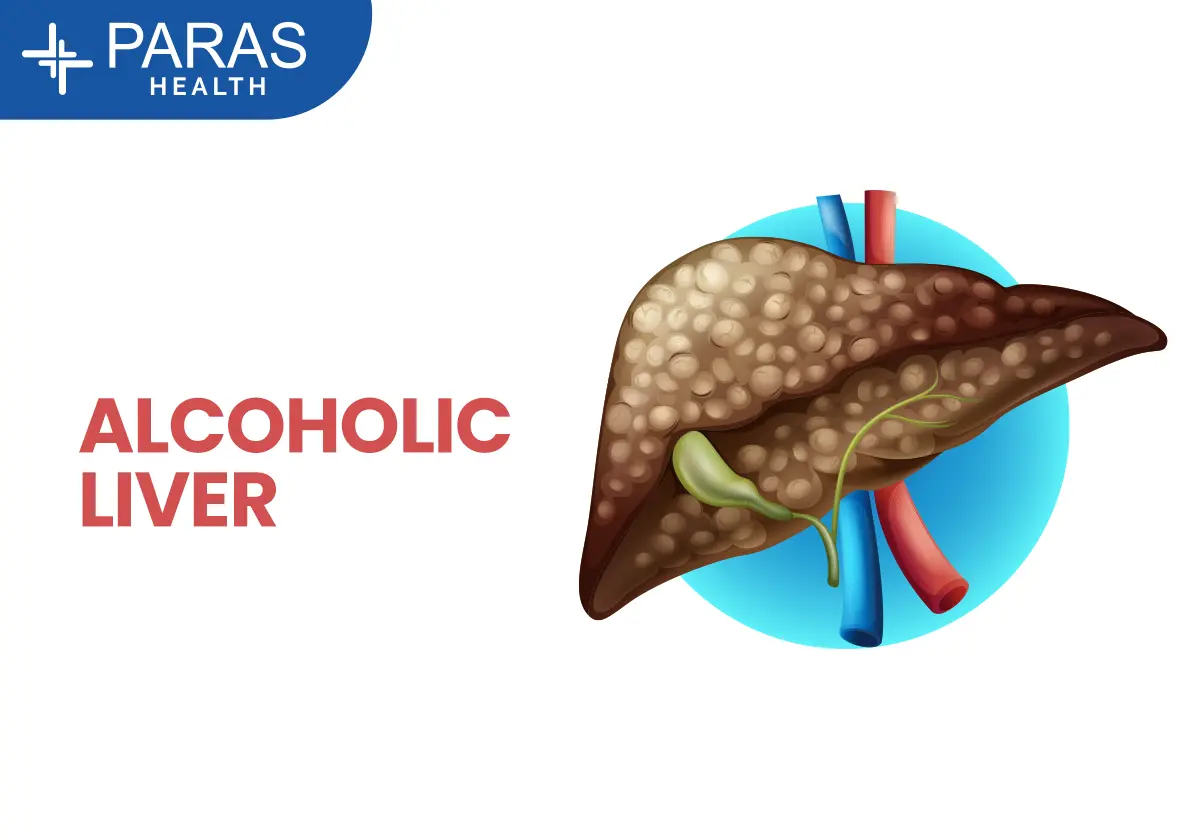
Alcohol is often part of celebrations, social gatherings, or stress relief. But what many people don’t realise is that every drink you take is processed by your liver. Over time, frequent or heavy drinking can silently damage this vital organ — sometimes without obvious warning signs.
Continue Reading
Internal Medicine
| Post Date : Dec 27, 2025
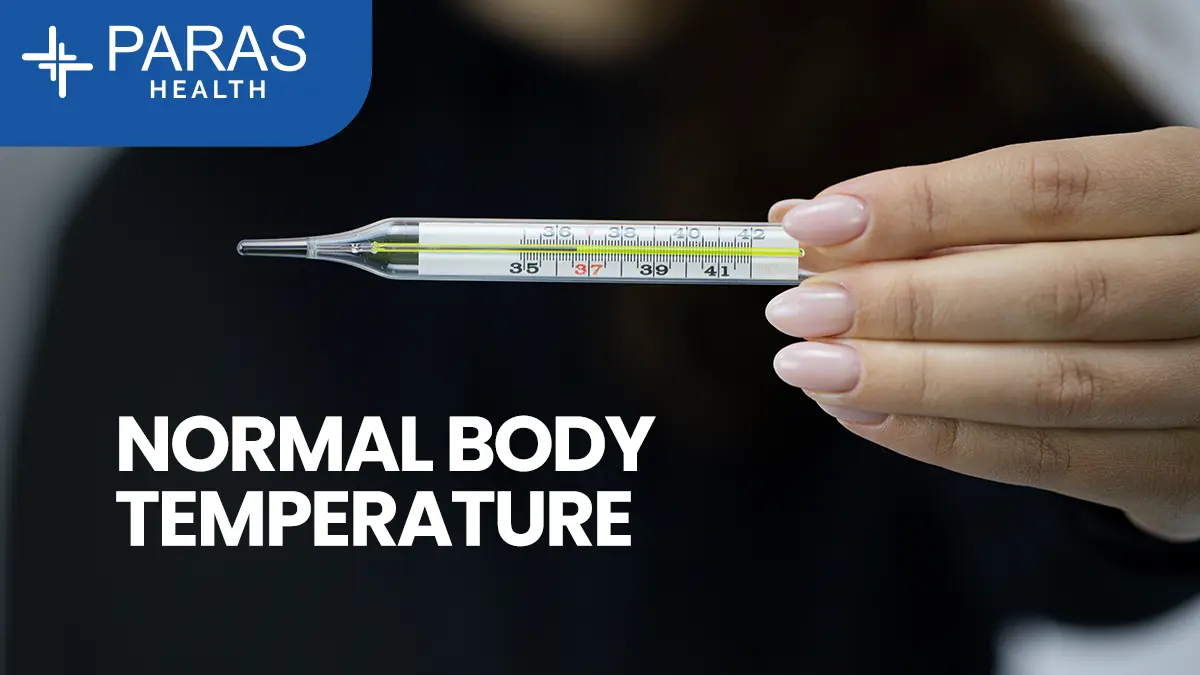
Checking your body temperature at home may seem like a simple task, but doing it the right way is very important. An incorrect reading can either cause unnecessary worry or delay timely medical care.
Continue Reading
Orthopaedics
| Post Date : Dec 20, 2025
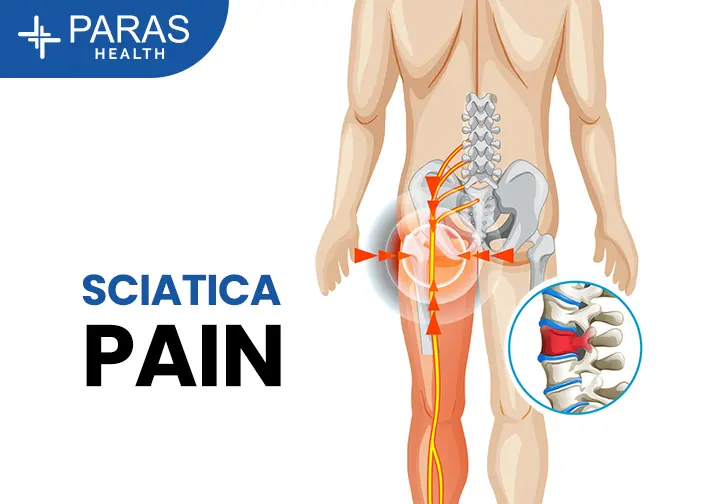
Sciatica pain can be frightening—especially when it shoots from your lower back down your leg and refuses to settle. Many people immediately worry: “Will I need surgery?”
The good news is most people with sciatica do NOT need surgery. However, in some situations, surgery becomes necessary to prevent nerve damage and long-term problems.
Continue Reading

Gastro Sciences
| Post Date : Dec 20, 2025
Most of us think of gut health only when we have stomach pain, acidity, or constipation. But the truth is—your gut controls far more than digestion. From immunity and mood to skin, weight, and energy levels, your gut quietly affects your entire body.
Continue Reading
Endocrinology
| Post Date : Dec 17, 2025
If you’ve ever looked at your blood test report and wondered, “Is my HbA1c normal for my age?”—you’re not alone. HbA1c is one of the most important tests for understanding long-term blood sugar control, but many people don’t realise that ideal HbA1c levels can vary by age.
Continue Reading