
How Alcohol Affects Your Liver: From Fatty Liver to Cirrhosis
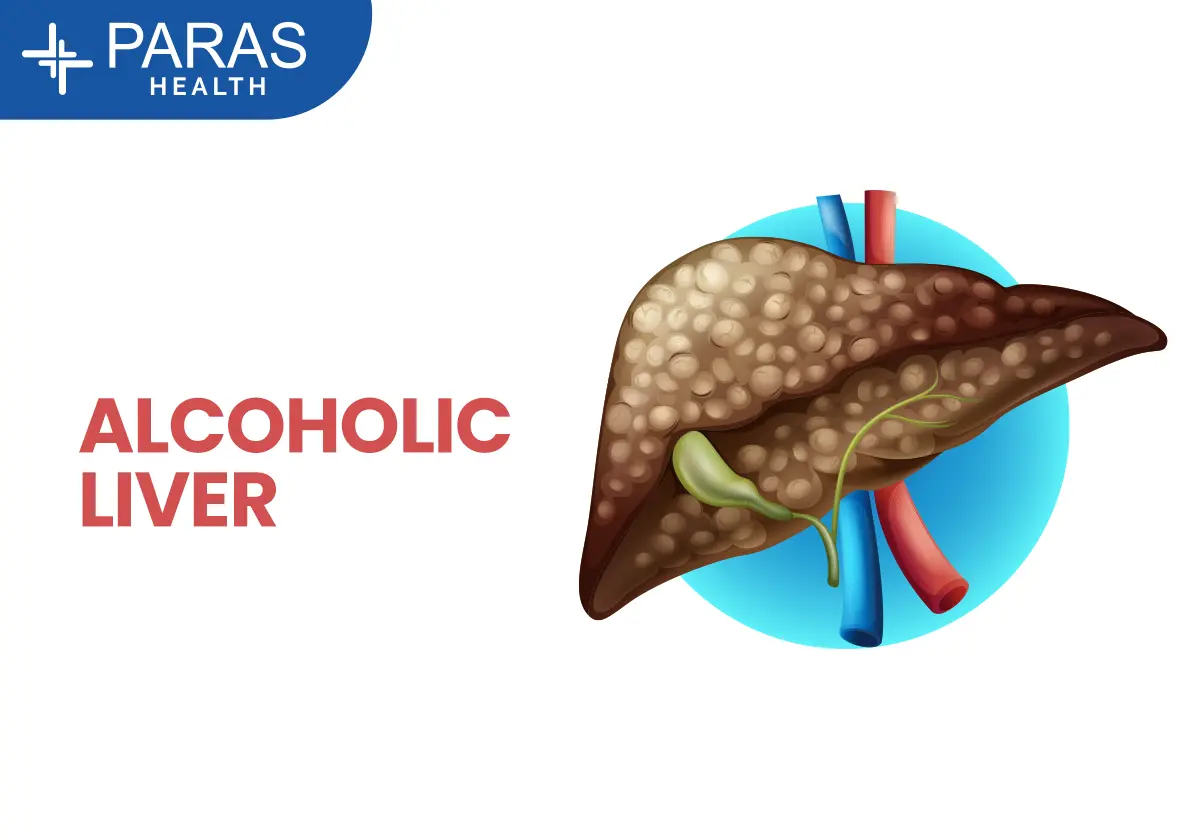
TABLE OF CONTENTS
- Why the Liver Is Most Affected by Alcohol
- What Is Alcoholic Liver Disease?
- Stage 1: Alcoholic Fatty Liver – The First Warning Sign
- Stage 2: Alcoholic Hepatitis – When Inflammation Begins
- Stage 3: Alcoholic Cirrhosis – Permanent Liver Damage
- How Much Alcohol Causes Liver Damage?
- Symptoms of Alcohol-Related Liver Damage
- How Is Alcoholic Liver Disease Diagnosed?
- Treatment for Alcohol-Related Liver Disease
- Can the Liver Heal After Quitting Alcohol?
- Complications of Untreated Alcoholic Liver Disease
- Key Facts About Alcohol and Liver Health
- Final Takeaway
- FAQs

Alcohol is often part of celebrations, social gatherings, or stress relief. But what many people don’t realise is that every drink you take is processed by your liver. Over time, frequent or heavy drinking can silently damage this vital organ — sometimes without obvious warning signs.
Alcoholic liver disease is not a single condition. It’s a progressive process that starts with fatty liver and can eventually lead to cirrhosis and liver failure.
Understanding how alcohol affects your liver is the first step toward prevention, early treatment, and recovery.
Why the Liver Is Most Affected by Alcohol
The liver acts as your body’s detox centre. When you drink alcohol, nearly 90% of it is broken down in the liver.
During this process:
- Alcohol turns into toxic by-products
- These toxins inflame and injure liver cells
- Fat metabolism slows down
- Healing becomes difficult with repeated exposure
Occasional drinking may not cause harm, but regular or excessive alcohol intake overwhelms the liver, leading to alcohol-related liver disease.
What Is Alcoholic Liver Disease?
Alcoholic liver disease refers to liver damage caused by long-term alcohol consumption. It develops gradually and progresses in stages.
Many people assume liver damage happens suddenly — but in reality, it can take years of silent damage before symptoms appear.
Stage 1: Alcoholic Fatty Liver – The First Warning Sign
What Is Alcoholic Fatty Liver?
Alcoholic fatty liver is the earliest and most common stage of alcohol-related liver disease. Excess fat starts accumulating in liver cells due to alcohol’s effect on fat metabolism.
Symptoms
Most people have no symptoms at all. Some may experience:
- Mild fatigue
- Heaviness in the upper abdomen
- Loss of appetite
Is Alcoholic Fatty Liver Reversible?
Yes. This stage is completely reversible if alcohol consumption is stopped early. The liver can clear excess fat within weeks to months.
Ignoring this stage and continuing alcohol intake allows the disease to progress.
Stage 2: Alcoholic Hepatitis – When Inflammation Begins
What Is Alcoholic Hepatitis?
Alcoholic hepatitis occurs when ongoing alcohol exposure causes inflammation and swelling of the liver. This condition can range from mild to severe.
Symptoms of Alcoholic Hepatitis
- Persistent fatigue
- Nausea and vomiting
- Yellowing of eyes and skin (jaundice)
- Fever
- Abdominal pain
- Unexplained weight loss
Severe alcoholic hepatitis can be life-threatening and requires immediate medical care.
Can Alcoholic Hepatitis Improve?
Yes — but only if alcohol is stopped completely. With timely treatment and abstinence, liver function may partially recover.
Stage 3: Alcoholic Cirrhosis – Permanent Liver Damage
What Is Alcoholic Cirrhosis?
Cirrhosis is the final and most serious stage of alcoholic liver disease. Healthy liver tissue is replaced by scar tissue, permanently damaging liver structure and function.
Symptoms of Alcoholic Cirrhosis
- Severe fatigue and weakness
- Abdominal swelling (ascites)
- Easy bruising or bleeding
- Confusion or memory problems
- Swollen legs and feet
- Frequent infections
Is Cirrhosis Reversible?
No. Cirrhosis cannot be reversed, but stopping alcohol can slow further damage and improve survival.
How Much Alcohol Causes Liver Damage?
There is no fixed “safe” amount of alcohol. Liver damage depends on:
- Quantity of alcohol consumed
- Frequency of drinking
- Duration (years of alcohol use)
- Binge drinking habits
- Body weight and nutrition
- Genetic factors
Some people develop liver disease with moderate drinking, while others may tolerate higher amounts for years — but the risk always exists.
How Alcohol Slowly Damages the Liver
Alcohol harms the liver in multiple ways:
- Creates toxic substances that injure liver cells
- Promotes fat buildup inside the liver
- Triggers inflammation
- Prevents proper healing
- Causes scarring over time
Repeated injury without recovery leads to chronic alcohol-induced liver disease.
Symptoms of Alcohol-Related Liver Damage
Early Symptoms (Often Missed)
- Tiredness
- Loss of appetite
- Mild abdominal discomfort
- Nausea
Advanced Symptoms
- Jaundice
- Abdominal swelling
- Liver pain
- Bleeding tendency
- Mental confusion
These symptoms signal advanced liver disease and should never be ignored.
How Is Alcoholic Liver Disease Diagnosed?
Doctors diagnose alcoholic liver disease using:
Blood Tests
- Liver Function Tests (LFTs)
- Abnormal enzymes indicate liver stress
Imaging Tests
- Ultrasound to detect fatty liver
- FibroScan to assess liver stiffness and scarring
Liver Biopsy
- Used in selected cases to confirm disease stage
Early diagnosis significantly improves outcomes.
Treatment for Alcohol-Related Liver Disease
1. Complete Alcohol Abstinence
This is the most critical treatment at every stage.
- Allows liver healing
- Reduces inflammation
- Improves survival
No medicine can work if alcohol intake continues.
2. Medical Treatment
- Medications for alcoholic hepatitis
- Treatment of infections and bleeding
- Hospitalisation in severe cases
3. Nutrition and Supportive Care
Alcoholic liver patients often suffer from malnutrition.
- Balanced, protein-rich diet (as advised)
- Vitamin supplementation
- Adequate calories and hydration
Good nutrition supports liver repair.
Can the Liver Heal After Quitting Alcohol?
- Fatty liver: Often improves within weeks
- Alcoholic hepatitis: Partial recovery possible
- Cirrhosis: Damage remains, but progression slows
The earlier alcohol is stopped, the better the liver’s ability to recover.
Diet for Liver Recovery from Alcohol
Foods That Help
- Fruits and vegetables
- Whole grains
- Lean protein
- Healthy fats in moderation
Foods to Avoid
- Alcohol
- Fried and processed foods
- Excess sugar and salt
Hydration is essential for liver function.
Lifestyle Changes That Protect the Liver
- Quit alcohol permanently
- Maintain healthy body weight
- Exercise moderately
- Avoid unnecessary medications
- Manage stress and sleep well
These changes reduce strain on the liver.
Complications of Untreated Alcoholic Liver Disease
- Liver failure
- Portal hypertension
- Internal bleeding
- Infections
- Liver cancer
- Need for liver transplant
Liver Transplant in Alcoholic Liver Disease
For end-stage liver disease, liver transplant may be the only option.
- Requires a sustained alcohol-free period
- Strict evaluation process
- Lifelong discipline after transplant
Key Facts About Alcohol and Liver Health
- Alcoholic liver disease progresses silently
- Fatty liver is reversible
- Cirrhosis is permanent
- Abstinence improves survival at all stages
- Early diagnosis saves lives
Final Takeaway
Alcohol-related liver disease doesn’t appear overnight. It develops step by step — from fatty liver to hepatitis to cirrhosis.
The most powerful treatment is also the simplest: stop alcohol early. Your liver has an incredible ability to heal — but only if given the chance.
Listening to early warning signs today can prevent life-threatening complications tomorrow.
FAQs
How does alcohol affect the liver?
Alcohol creates toxic by-products that damage liver cells, causing fat buildup, inflammation, and scarring.
Can fatty liver from alcohol be reversed?
Yes, alcoholic fatty liver can completely reverse if alcohol is stopped early.
Is alcoholic liver disease dangerous?
Yes, if untreated it can progress to cirrhosis, liver failure, or death.
How long does the liver take to heal after quitting alcohol?
Fatty liver may improve in weeks; recovery time depends on disease stage.
Can you drink alcohol with liver disease?
No. Continued drinking accelerates liver damage and complications.
What are early signs of liver damage from alcohol?
Fatigue, appetite loss, nausea, and mild abdominal discomfort.
Is alcoholic hepatitis curable?
It can improve with complete alcohol abstinence and timely treatment.
Does everyone who drinks get liver disease?
No, but anyone who drinks regularly is at risk.
What tests detect alcohol-related liver damage?
Blood tests, ultrasound, FibroScan, and sometimes liver biopsy.
When should I see a doctor?
If you drink regularly and notice fatigue, jaundice, or swelling, consult a doctor immediately.