

Warning Signs of Poor Gut Health and Digestive Imbalance
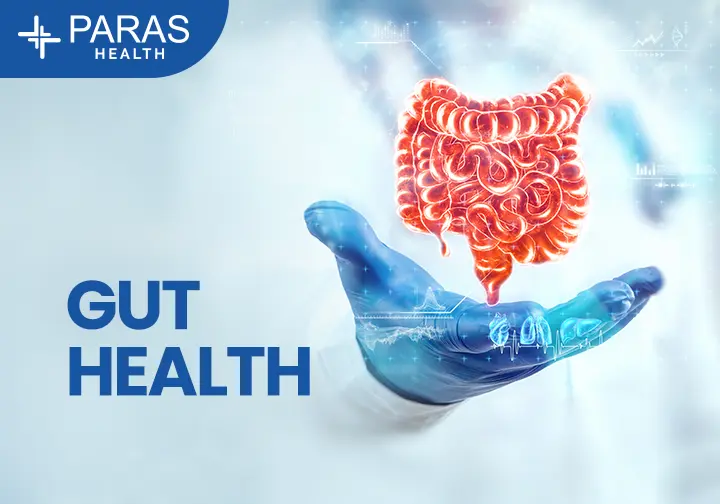
TABLE OF CONTENTS

Most of us think of gut health only when we have stomach pain, acidity, or constipation. But the truth is—your gut controls far more than digestion. From immunity and mood to skin, weight, and energy levels, your gut quietly affects your entire body.
When gut health starts declining, your body sends early warning signals. Ignoring these signs of poor gut health can lead to long-term digestive disorders and overall health issues.
Let’s understand what poor gut health looks like, why it happens, and when you should take action.
What Is Gut Health and Why Is It Important?
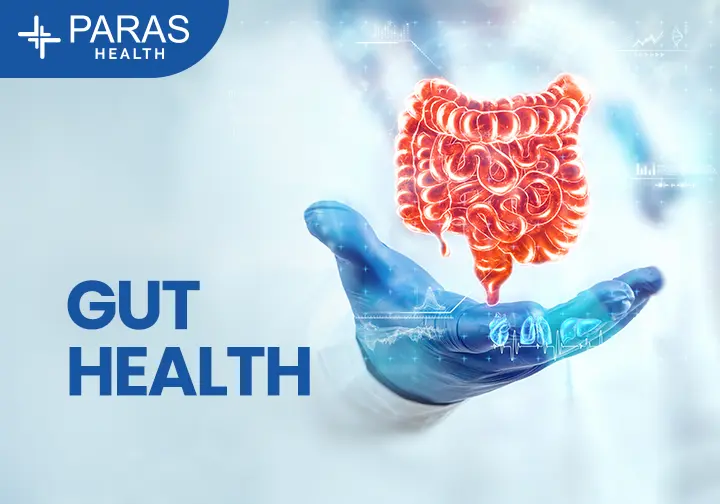
Your gut includes the stomach, intestines, and trillions of bacteria living inside them—known as the gut microbiome. These “good bacteria” help:
- Digest food properly
- Absorb nutrients
- Strengthen immunity
- Regulate hormones
- Support mental health
When this balance is disturbed, it leads to gut microbiome imbalance (dysbiosis)—and that’s when problems begin.
Early Digestive Signs of Poor Gut Health
1. Frequent Bloating and Gas
Feeling bloated even after small meals is one of the most common unhealthy gut symptoms. Excess gas usually means food isn’t being digested properly.
2. Constipation or Diarrhea
Irregular bowel movements—either frequent diarrhea or ongoing constipation—are strong indicators of gut health issues.
Healthy digestion usually means:
- Smooth bowel movements
- Consistent timing
- No straining or urgency
3. Stomach Pain, Cramps, and Discomfort
Persistent abdominal pain, cramps, or a burning sensation should not be ignored. These may indicate intestinal inflammation, IBS symptoms, or gut bacteria imbalance.
4. Acid Reflux, Heartburn, and Indigestion
If acidity or heartburn has become routine, your gut may be struggling to break down food properly.
Feeling heavy after eating is another classic sign of poor gut health.
Food Sensitivity: A Silent Gut Health Warning
5. Bloating After Eating Certain Foods
If dairy, wheat, or spicy foods suddenly cause discomfort, it may signal:
- Lactose intolerance
- Gluten sensitivity
- Food intolerance symptoms
Your gut reacts because it lacks the enzymes or bacteria needed to digest certain foods.
Non-Digestive Signs Your Gut Is Unhealthy
6. Constant Fatigue and Low Energy
Feeling tired even after proper sleep? Poor gut health affects nutrient absorption—especially iron, B12, and magnesium—leading to fatigue due to poor gut health.
7. Brain Fog and Poor Concentration
Your gut and brain are closely connected. When digestion is poor, toxins may enter the bloodstream, causing:
- Brain fog
- Difficulty focusing
- Frequent headaches
This gut-brain connection is real and powerful.
8. Anxiety, Low Mood, and Irritability
Did you know over 90% of serotonin (the “happy hormone”) is produced in the gut?
An unhealthy gut can contribute to:
- Anxiety and gut health issues
- Depression and gut health imbalance
- Mood swings
Skin, Hair, and Immunity Problems Linked to Poor Gut Health
9. Acne, Eczema, and Dull Skin
If skincare products aren’t helping, the problem may be internal. Skin problems due to gut health include:
- Acne breakouts
- Eczema
- Rashes
- Uneven skin tone
10. Hair Fall and Weak Immunity
Poor digestion leads to nutrient deficiencies, causing:
- Hair fall due to poor digestion
- Weak nails
- Frequent infections
- Slow recovery from illness
Your gut plays a major role in immune defense.
Weight and Metabolism: Hidden Gut Health Clues
11. Unexplained Weight Gain or Weight Loss
If your weight is changing without diet or exercise changes, gut imbalance may be the reason.
A poor gut can:
- Slow metabolism
- Increase fat storage
- Trigger sugar cravings
Medical Gut Health Conditions to Know
Gut Microbiome Imbalance (Dysbiosis)
Occurs when bad bacteria overpower good bacteria, leading to bloating, fatigue, and immunity issues.
Leaky Gut Syndrome
Increased intestinal permeability allows toxins to leak into the bloodstream, causing inflammation and allergies.
IBS and SIBO
- IBS symptoms include abdominal pain, bloating, diarrhea, or constipation
- SIBO symptoms include excessive gas and nutrient deficiencies
When Should You See a Doctor for Gut Problems?
You should consult a doctor if you have:
- Persistent bloating or pain
- Blood in stool
- Unexplained weight loss
- Chronic diarrhea or constipation
- Severe acidity not improving
Early diagnosis prevents long-term damage.
How Is Poor Gut Health Diagnosed?
Doctors may recommend:
- Stool tests
- Breath tests
- Blood tests
- Gut health checkup
These tests help identify infections, inflammation, and gut bacteria imbalance.
How to Improve Gut Health Naturally
Eat Gut-Friendly Foods
- Fiber-rich fruits and vegetables
- Curd, buttermilk, fermented foods
- Whole grains
Improve Lifestyle Habits
- Drink enough water
- Manage stress
- Exercise regularly
- Avoid unnecessary antibiotics
Avoid Gut-Damaging Habits
- Excess processed foods
- Excess alcohol
- Smoking
- Irregular sleep
Key Facts About Gut Health
- Over 70% of immunity comes from the gut
- Gut health affects brain, skin, hormones, and weight
- Poor gut health can exist without stomach pain
- Early symptoms are often non-digestive
- Gut health improves gradually with consistent habits
Frequently Asked Questions
What are the signs of poor gut health?
Bloating, constipation, fatigue, skin issues, mood changes, and frequent infections are common signs.
How do I know if my gut is unhealthy?
If digestive problems persist or you feel low energy and brain fog, your gut may be unhealthy.
Can poor gut health cause fatigue?
Yes, poor nutrient absorption often leads to constant tiredness.
Does gut health affect skin?
Yes, acne, eczema, and dull skin are often linked to gut imbalance.
Can gut problems cause anxiety?
Absolutely. Gut health directly impacts mental health through the gut-brain connection.
What happens when gut health is poor?
Digestion weakens, immunity drops, and whole-body inflammation increases.
Can gut issues cause weight gain?
Yes, gut imbalance can slow metabolism and increase cravings.
How long does it take to improve gut health?
Most people see improvement in 3–6 weeks with consistent diet and lifestyle changes.
What foods damage gut health?
Highly processed foods, excess sugar, alcohol, and fried foods harm gut bacteria.
When should I see a gastroenterologist?
If symptoms last more than two weeks or worsen, consult a specialist.
Conclusion
Your body constantly communicates with you—gut problems just speak softly at first. Recognizing the early signs of poor gut health can protect you from chronic digestive disorders and overall health decline. If symptoms persist, don’t self-diagnose. Listen to your gut and seek expert medical advice early.


 Infectious Diarrhea Eng.webp)