
Cartilage Damage: Causes, Symptoms & Treatment Guide

TABLE OF CONTENTS

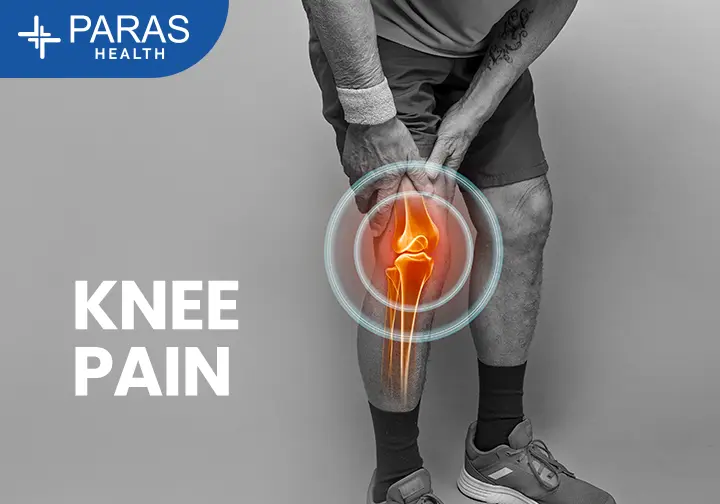
Have you ever experienced persistent knee pain, stiffness, or a clicking sound while walking or climbing stairs? Many people dismiss these symptoms as a sign of aging or overexertion. However, they could indicate cartilage damage, a condition that can worsen over time if left untreated.
Cartilage acts as a natural cushion between your bones, allowing your joints to move smoothly and painlessly. When this protective tissue becomes damaged, even simple activities like walking, sitting, or exercising can become uncomfortable.
The good news is that early diagnosis and the right treatment can help relieve pain, improve mobility, and prevent further joint deterioration. In this guide, we'll explain everything you need to know about cartilage damage, including its causes, symptoms, diagnosis, treatment options, recovery, and ways to protect your joints.
What Is Cartilage Damage?
Cartilage damage refers to an injury or deterioration of the smooth, rubber-like tissue that covers the ends of bones inside a joint. This tissue, known as articular cartilage, helps absorb shock and allows bones to glide over each other without friction.
Unlike muscles or skin, cartilage has very little blood supply. As a result, it has a limited ability to heal naturally. Even a small cartilage injury can gradually progress if it is ignored.
Although cartilage damage can occur in any joint, it most commonly affects the:
- Knee
- Hip
- Shoulder
- Ankle
- Wrist
The knee is particularly vulnerable because it bears much of the body's weight during daily activities.
What Causes Cartilage Damage?
There isn't always a single cause. In many cases, several factors contribute to joint cartilage damage over time.
1. Sports Injuries
High-impact sports involving running, jumping, sudden twists, or quick changes in direction can damage cartilage.
Common examples include:
- Football
- Cricket
- Basketball
- Tennis
- Running
- Gym injuries
Athletes are at a higher risk because repetitive stress places additional pressure on the joints.
2. Aging and Wear & Tear
As we age, cartilage gradually loses its elasticity and becomes thinner. This natural cartilage degeneration makes joints more susceptible to injury and contributes to conditions like osteoarthritis.
3. Joint Trauma
A fall, road accident, or direct blow to a joint can cause immediate cartilage injury. Sometimes the damage isn't obvious initially, but symptoms develop weeks or months later.
4. Obesity
Extra body weight increases pressure on weight-bearing joints, especially the knees and hips. Over time, this accelerates cartilage wear.
5. Repetitive Stress
Occupations or activities involving frequent kneeling, squatting, climbing, or heavy lifting can gradually damage cartilage.
6. Medical Conditions
Certain conditions increase the risk of cartilage damage, including:
- Osteoarthritis
- Rheumatoid arthritis
- Previous ACL injuries
- Meniscus tears
- Joint infections
- Congenital joint abnormalities
Symptoms of Cartilage Damage
The symptoms of damaged cartilage often develop gradually. Early recognition is important because timely treatment can prevent long-term joint problems.
Persistent Joint Pain
Pain is usually the first sign. It may occur:
- While walking
- During exercise
- Climbing stairs
- Squatting
- After sitting for a long time
Initially, the pain may come and go. As the damage progresses, it can become constant.
Joint Swelling
Swelling after physical activity is common in people with knee cartilage damage. The joint may also feel warm or appear slightly enlarged.
Stiffness
Many people notice stiffness first thing in the morning or after prolonged sitting. It may take a few minutes before the joint loosens up.
Clicking or Grinding Sounds
If the cartilage surface becomes rough, the joint may produce clicking, popping, or grinding sensations during movement.
Reduced Range of Motion
You may find it difficult to:
- Bend the knee completely
- Squat comfortably
- Sit cross-legged
- Fully straighten the joint
Joint Locking
In some cases, damaged cartilage fragments can interfere with joint movement, causing the joint to temporarily lock.
Knee Instability
Some people describe the feeling that their knee might "give way," especially when walking downstairs or on uneven ground.
How Is Cartilage Damage Diagnosed?
Your doctor will begin by discussing your symptoms, lifestyle, previous injuries, and medical history.
Physical Examination
The joint will be examined for:
- Swelling
- Tenderness
- Stability
- Range of motion
- Pain during movement
MRI Scan
An MRI is the most effective imaging test for evaluating cartilage damage because it provides detailed images of cartilage, ligaments, tendons, and other soft tissues.
X-rays
Although cartilage doesn't appear on X-rays, they help identify arthritis, fractures, or bone abnormalities.
Arthroscopy
If further evaluation is needed, your orthopedic surgeon may recommend arthroscopy. This minimally invasive procedure uses a small camera inserted into the joint to directly examine the damaged cartilage.
Treatment for Cartilage Damage
Treatment depends on several factors, including your age, activity level, severity of damage, and overall joint health.
Lifestyle Changes
Simple changes often help relieve symptoms, such as:
- Maintaining a healthy weight
- Avoiding high-impact activities
- Choosing low-impact exercises like swimming or cycling
- Wearing supportive footwear
Medications
Pain relievers and anti-inflammatory medications may reduce discomfort and swelling, particularly during flare-ups.
Physiotherapy
Physiotherapy plays an important role in recovery. A structured exercise program helps:
- Strengthen muscles around the joint
- Improve flexibility
- Restore movement
- Reduce pain
- Improve balance
Knee Braces
Braces can provide additional support and reduce stress on damaged cartilage during movement.
Injection Therapy
Depending on your condition, your doctor may recommend:
- Hyaluronic acid injections
- Platelet-rich plasma (PRP) injections in selected patients
These treatments may help improve symptoms in appropriate cases.
Surgical Treatment
If conservative treatment is ineffective, surgery may be considered.
Common procedures include:
- Arthroscopic cartilage repair
- Microfracture surgery
- Osteochondral Autograft Transfer (OATS)
- Autologous Chondrocyte Implantation (ACI)
- Cartilage restoration surgery
Your orthopedic surgeon will recommend the most suitable option based on the size and location of the damaged cartilage.
Recovery After Cartilage Damage
Recovery varies depending on the severity of the injury and the treatment received.
Most patients benefit from:
- Regular physiotherapy
- Gradual return to activity
- Weight management
- Muscle strengthening
- Following rehabilitation guidelines carefully
Those undergoing surgery may require several months of rehabilitation before returning to sports or physically demanding activities.
Can Cartilage Damage Be Prevented?
Although not every injury is preventable, you can reduce your risk by:
- Maintaining a healthy weight
- Exercising regularly
- Strengthening the muscles around your joints
- Warming up before sports
- Wearing appropriate footwear
- Avoiding repetitive strain
- Treating sports injuries promptly
- Listening to your body's warning signs
Healthy joints today can help preserve mobility in the future.
When Should You See a Doctor?
Don't ignore joint pain that lasts for several weeks.
Consult an orthopedic specialist if you experience:
- Persistent joint pain
- Recurrent swelling
- Difficulty walking
- Locking of the joint
- Instability
- Pain that limits daily activities
- Reduced joint movement
Early treatment often leads to better outcomes and may reduce the need for surgery.
Key Facts About Cartilage Damage
- Cartilage has a limited ability to heal naturally because it has very little blood supply.
- The knee is the most commonly affected joint.
- Persistent pain, swelling, and stiffness should never be ignored.
- Early diagnosis can slow joint degeneration and improve treatment outcomes.
- Not every patient requires surgery; many respond well to physiotherapy and lifestyle changes.
- Maintaining a healthy weight significantly reduces pressure on the knee joints.
Conclusion
Ignoring cartilage damage can lead to chronic pain, reduced mobility, and long-term joint problems. Fortunately, recognizing the symptoms early and seeking timely medical advice can make a significant difference. Whether treatment involves physiotherapy, lifestyle changes, or advanced cartilage repair procedures, early intervention offers the best chance of preserving joint health and maintaining an active lifestyle.
If you're experiencing persistent joint pain, swelling, or stiffness, don't wait for the symptoms to worsen. Consult an orthopedic specialist for an accurate diagnosis and a personalized treatment plan that helps you get back to doing what you enjoy most.
FAQs
What are the first signs of cartilage damage?
Early signs include joint pain, stiffness, swelling after activity, and clicking sounds while moving the joint. These symptoms should be evaluated if they persist.
Can cartilage damage heal on its own?
Minor injuries may improve with rest and rehabilitation, but significant cartilage damage usually does not heal completely because cartilage has a poor blood supply.
What causes cartilage damage in the knee?
Common causes include sports injuries, aging, obesity, repetitive stress, previous ligament injuries, and osteoarthritis.
Is cartilage damage the same as arthritis?
No. Cartilage damage is an injury to the joint cartilage, while arthritis is a broader condition involving joint inflammation and degeneration. Untreated cartilage damage can increase the risk of developing osteoarthritis.
How is cartilage damage diagnosed?
Doctors typically diagnose it through a physical examination, MRI scan, X-rays, and sometimes arthroscopy to assess the extent of the injury.
Can I walk with damaged cartilage?
Many people can still walk, but persistent pain, swelling, or instability should be assessed by an orthopedic specialist to prevent further damage.
What is the best treatment for cartilage damage?
Treatment depends on the severity of the injury and may include physiotherapy, medications, injections, lifestyle changes, or cartilage repair surgery.
How long does cartilage damage take to heal?
Recovery can range from a few weeks for mild injuries to several months after surgery, depending on the extent of damage and rehabilitation.
Does exercise help cartilage damage?
Yes. Low-impact exercises and physiotherapy can strengthen surrounding muscles, improve joint function, and reduce pain when performed under professional guidance.
When should I see an orthopedic specialist?
You should seek medical advice if joint pain, swelling, stiffness, locking, or instability lasts for more than a few weeks or interferes with daily activities.