Angina (Chest Pain): Causes, Symptoms, Types and Treatment
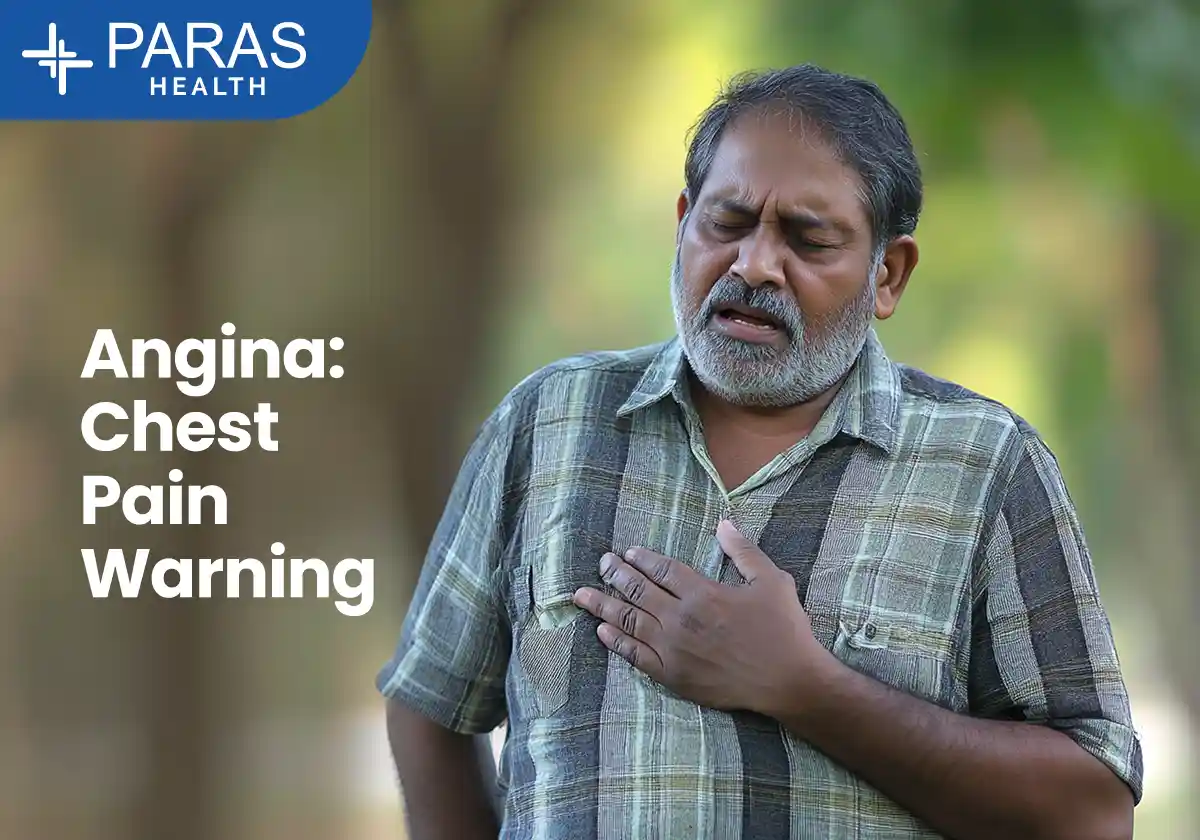

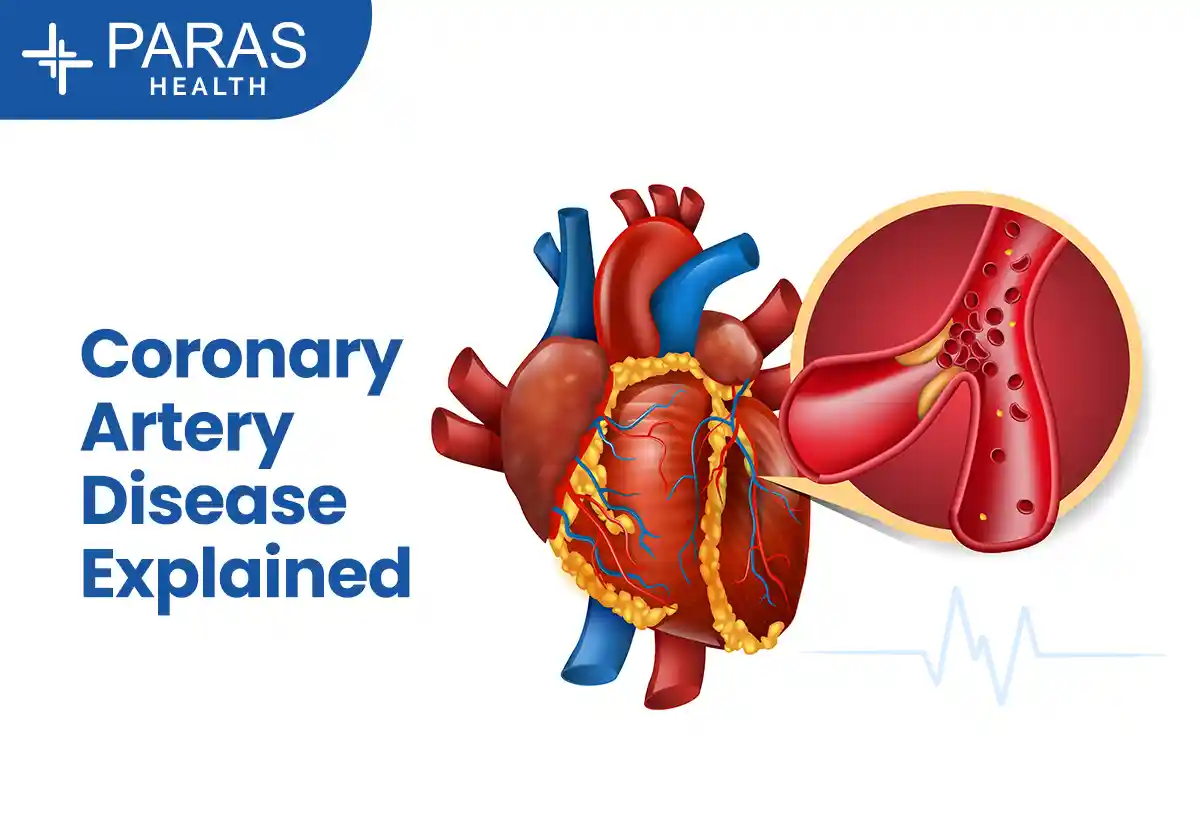
Angina, also called angina pectoris, is chest pain or discomfort that occurs when the heart muscle does not receive enough oxygen-rich blood. It is commonly associated with coronary artery disease (CAD), a condition in which the arteries supplying blood to the heart become narrow or restricted. Angina is a symptom of an underlying heart condition rather than a disease itself.
People may describe angina as pressure, squeezing, tightness, heaviness or burning in the chest. The discomfort may spread to the shoulders, arms, neck, jaw or back. Some people may also experience breathlessness, nausea or unusual tiredness. Symptoms can occur during physical activity, emotional stress or even at rest, depending on the type of angina.
What Causes Angina?
Angina usually develops when blood flow through the coronary arteries is reduced. Common causes include:
1. Coronary Artery Disease
Coronary artery disease develops when fatty deposits and cholesterol build up inside the coronary arteries. This process, known as atherosclerosis, narrows the arteries and restricts blood flow.
During physical activity or emotional stress, the heart needs more oxygen. If the narrowed arteries cannot supply enough blood, angina may occur.
2. Coronary Artery Spasm
A coronary artery spasm occurs when the muscles in the artery wall suddenly tighten. This temporarily narrows the artery and reduces blood flow to the heart, sometimes causing chest pain even at rest.
3. Coronary Microvascular Dysfunction
The small blood vessels supplying the heart may not function properly, reducing blood flow to the heart muscle. This can cause microvascular angina, even when the larger coronary arteries do not have significant narrowing.
4. Increased Oxygen Demand
Physical activity, emotional stress and exposure to cold temperatures can increase the heart's demand for oxygen. If blood flow cannot meet this demand, angina symptoms may develop.
Symptoms of Angina
The main symptom of angina is chest discomfort, but symptoms can vary from person to person.
Common symptoms include:
- Chest pressure or tightness: A squeezing, heavy or uncomfortable feeling in the centre of the chest.
- Pain spreading to other areas: Discomfort may move to the shoulders, arms, neck, jaw or back.
- Shortness of breath: Difficulty breathing, particularly during physical activity.
- Sweating: Unusual sweating along with chest discomfort.
- Nausea: An upset stomach or feeling of sickness.
- Dizziness: Light-headedness or feeling faint.
- Unusual tiredness: Fatigue or reduced ability to perform everyday activities.
Stable angina often develops during physical activity or stress and improves with rest. However, sudden, severe or worsening chest pain requires urgent medical assessment.
Types of Angina
Angina is classified into different types based on its cause and the pattern of symptoms.
1. Stable Angina
Stable angina usually follows a predictable pattern. It commonly occurs during exercise, climbing stairs or emotional stress, when the heart needs more oxygen.
The discomfort generally lasts for a few minutes and improves with rest or prescribed treatment. If episodes become more frequent, last longer or occur with less activity, medical reassessment is important.
2. Unstable Angina
Unstable angina is a serious condition that requires emergency medical attention. It may occur suddenly, develop at rest or become more severe and frequent than previous episodes.
The discomfort may not improve with rest or prescribed treatment. Unstable angina is part of acute coronary syndrome (ACS), a group of conditions caused by a sudden reduction in blood flow to the heart.
It can be difficult to distinguish unstable angina from a heart attack based on symptoms alone.
3. Microvascular Angina
Microvascular angina occurs when the small blood vessels supplying the heart do not function properly. It can cause chest discomfort during activity or at rest, even without significant narrowing in the larger coronary arteries.
4. Vasospastic Angina
Also called variant or Prinzmetal angina, this type occurs when a coronary artery suddenly tightens and temporarily reduces blood flow to the heart.
It often develops at rest, sometimes at night or in the early morning.
Risk Factors for Angina
Several factors increase the risk of coronary artery disease and angina. These include:
- High blood pressure: Can damage artery walls over time.
- High cholesterol: LDL cholesterol contributes to plaque formation inside arteries.
- Diabetes: High blood glucose can damage blood vessels.
- Smoking: Tobacco damages blood vessels and increases cardiovascular risk.
- Physical inactivity: Increases the risk of obesity and other heart-related conditions.
- Excess body weight: Can contribute to high blood pressure, diabetes and heart disease.
- Family history: Close relatives with early heart disease may increase a person's risk.
- Increasing age: The risk of coronary artery disease generally rises with age.
Managing these risk factors through medical care and lifestyle changes can help protect heart health.
How Is Angina Diagnosed?
A doctor evaluates symptoms, medical history and risk factors before recommending tests. These investigations help identify the cause of chest pain and assess the condition of the heart.
Common diagnostic tests include:
1. Electrocardiogram (ECG)
An ECG records the heart's electrical activity. It can identify changes that may suggest reduced blood supply or a heart attack. A normal resting ECG does not always rule out angina.
2. Blood Tests
Blood tests may check cholesterol and blood glucose levels. If a heart attack is suspected, doctors may measure cardiac troponin to look for heart muscle injury.
3. Echocardiogram
An echocardiogram uses ultrasound to create images of the heart. It helps assess the heart's structure, pumping function and muscle movement.
4. Stress Test
A stress test checks how the heart responds to increased activity, usually through controlled exercise. It may help identify signs of reduced blood supply.
5. CT Coronary Angiography
This test uses a CT scanner and contrast dye to produce detailed images of the coronary arteries and identify narrowing or blockages.
6. Coronary Angiography
A thin tube called a catheter is guided into an artery, and contrast dye is used to show blood flow through the coronary arteries on X-ray images.
The doctor selects tests according to the patient's symptoms and clinical findings. Not everyone needs every test.
Angina Treatment
The main goals of treatment are to reduce symptoms, improve blood flow to the heart and lower the risk of cardiovascular complications.
Treatment depends on the type of angina, its severity and the underlying heart condition.
1. Medications
A doctor or cardiologist may prescribe medicines to control angina symptoms, improve blood flow, reduce the heart's workload or manage risk factors such as high cholesterol and blood pressure.
The choice of medication depends on the type of angina, test results, medical history and overall health. Patients should take medicines only as prescribed and should not start, stop or change their treatment without consulting their doctor.
2. Angioplasty and Stent Placement
Angioplasty may be recommended when a narrowed coronary artery restricts blood flow. A small balloon is used to widen the narrowed section. A stent, a small mesh tube, may be placed to help keep the artery open.
3. Coronary Artery Bypass Grafting (CABG)
CABG may be recommended for certain people with severe or complex coronary artery disease. During surgery, a healthy blood vessel from another part of the body is used to create a new route for blood to flow around a narrowed or blocked artery.
The choice between medication, angioplasty and bypass surgery depends on the patient's condition and test results.
Lifestyle Changes to Manage Angina
Lifestyle changes support medical treatment and help reduce the risk of further heart problems.
- Eat a balanced diet: Include fruits, vegetables, whole grains and pulses. Limit excess salt and highly processed foods.
- Stop smoking: Quitting tobacco helps protect blood vessels.
- Manage blood pressure and cholesterol: Follow medical advice and attend regular check-ups.
- Control blood sugar: People with diabetes should follow their prescribed care plan.
- Maintain a healthy weight: A balanced diet and appropriate activity can support heart health.
- Manage stress: Adequate sleep and relaxation techniques may help.
- Exercise safely: People with unexplained chest pain should be medically assessed before starting strenuous activity. Those diagnosed with angina should follow their cardiologist's exercise advice.
When Should You Seek Medical Attention?
New or unexplained chest pain should be assessed by a healthcare professional.
Seek emergency medical help immediately if chest pain:
- Is sudden, severe or does not go away.
- Occurs at rest or becomes worse than usual.
- Spreads to the arm, shoulder, jaw, neck or back.
- Occurs with sweating, nausea, breathlessness, dizziness or fainting.
These symptoms may indicate a heart attack or another serious condition. Contact local emergency services and do not drive yourself to the hospital.
If you have diagnosed angina, seek prompt medical advice if episodes become more frequent, last longer or occur with less activity than before.
Angina vs Heart Attack: What Is the Difference?
Angina and a heart attack both involve reduced blood flow to the heart, but they are different conditions.
|
Feature |
Angina |
Heart attack |
|
Main cause |
Reduced blood flow to the heart muscle |
Prolonged reduction or blockage of blood flow causing heart muscle injury |
|
Symptoms |
May occur during activity or at rest, depending on the type |
Often sudden and persistent, but symptoms vary |
|
Relief |
Stable angina often improves with rest or prescribed treatment |
Usually does not reliably improve with rest |
|
Heart muscle damage |
Stable angina does not usually cause permanent damage |
Can cause permanent heart muscle damage |
|
Medical response |
Requires medical assessment and treatment |
Requires immediate emergency care |
Symptoms alone cannot reliably distinguish angina from a heart attack. New, persistent or worsening chest pain should be treated as a medical emergency.
Conclusion
Angina is chest pain caused by reduced blood flow to the heart muscle. It is commonly linked to coronary artery disease, but coronary artery spasms and problems in small blood vessels can also cause it.
Recognising symptoms and getting an early diagnosis are important for managing the condition. Treatment may include doctor-prescribed medication, lifestyle changes or procedures such as angioplasty and bypass surgery, depending on the cause and severity.
Anyone experiencing new or worsening chest pain should seek medical evaluation.
FAQs
1. What is the main cause of angina?
The most common cause is coronary artery disease, which narrows the coronary arteries and reduces blood flow to the heart muscle.
2. What does angina chest pain feel like?
It may feel like pressure, tightness, squeezing or heaviness in the chest. The discomfort can spread to the arms, shoulders, neck, jaw or back.
3. Can angina occur without exercise?
Yes. Unstable angina and vasospastic angina can occur at rest. Sudden or worsening chest pain needs urgent medical assessment.
4. How long does angina pain usually last?
Stable angina usually lasts for a few minutes and often improves with rest or prescribed treatment. Persistent or severe chest pain requires emergency assessment.
5. Is angina the same as a heart attack?
No. Angina occurs when the heart muscle receives insufficient blood, while a heart attack causes injury to the heart muscle due to prolonged reduction or blockage of blood flow. Their symptoms can overlap.