
Common Digestive Disorders: Causes, Symptoms, and Treatment

TABLE OF CONTENTS
- What Are Digestive Disorders?
- Most Common Digestive Disorders
- Common Symptoms of Digestive Disorders
- What Causes Digestive Disorders?
- When Should You See a Gastroenterologist?
- How Are Digestive Disorders Diagnosed?
- Treatment Options for Digestive Disorders
- Foods That Support Better Digestion
- Can Digestive Disorders Be Prevented?
- Key Facts
- Conclusion
- FAQs

Your digestive system works quietly in the background every single day—breaking down food, absorbing nutrients, and helping your body stay energized. But when something goes wrong, even simple activities like eating a meal or getting through the day comfortably can become difficult.
Occasional indigestion, bloating, or acidity is common and often harmless. However, symptoms that keep coming back or worsen over time could indicate an underlying digestive disorder. The good news is that most digestive diseases can be effectively managed with early diagnosis, healthy lifestyle changes, and appropriate medical treatment.
In this guide, we'll explain the most common digestive disorders, their causes, symptoms, treatment options, and when it's time to consult a gastroenterologist.
What Are Digestive Disorders?
Digestive disorders are conditions that affect any part of the digestive system—from the food pipe (esophagus) and stomach to the intestines, liver, pancreas, and gallbladder. Some conditions are temporary, while others can become chronic and require ongoing care.
These disorders may interfere with digestion, nutrient absorption, or normal bowel movements, affecting your overall health and quality of life.
Most Common Digestive Disorders
1. Gastroesophageal Reflux Disease (GERD)
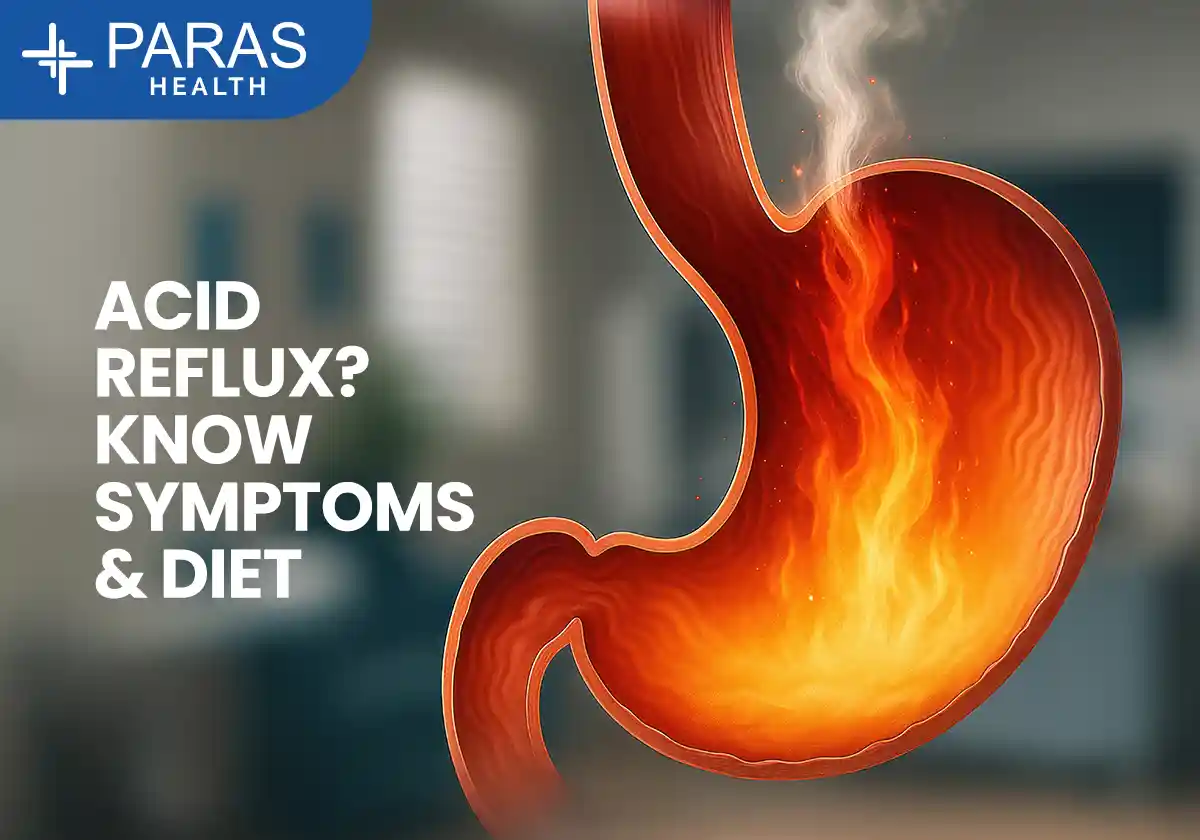
GERD, commonly known as acid reflux, occurs when stomach acid repeatedly flows back into the food pipe.
Common symptoms
- Heartburn
- Sour taste in the mouth
- Chest discomfort
- Difficulty swallowing
- Persistent cough
Causes
- Obesity
- Large meals
- Smoking
- Pregnancy
- Certain foods such as spicy or fatty meals
Treatment
Lifestyle modifications, weight management, avoiding late-night meals, and medications that reduce stomach acid are usually effective.
2. Gastritis
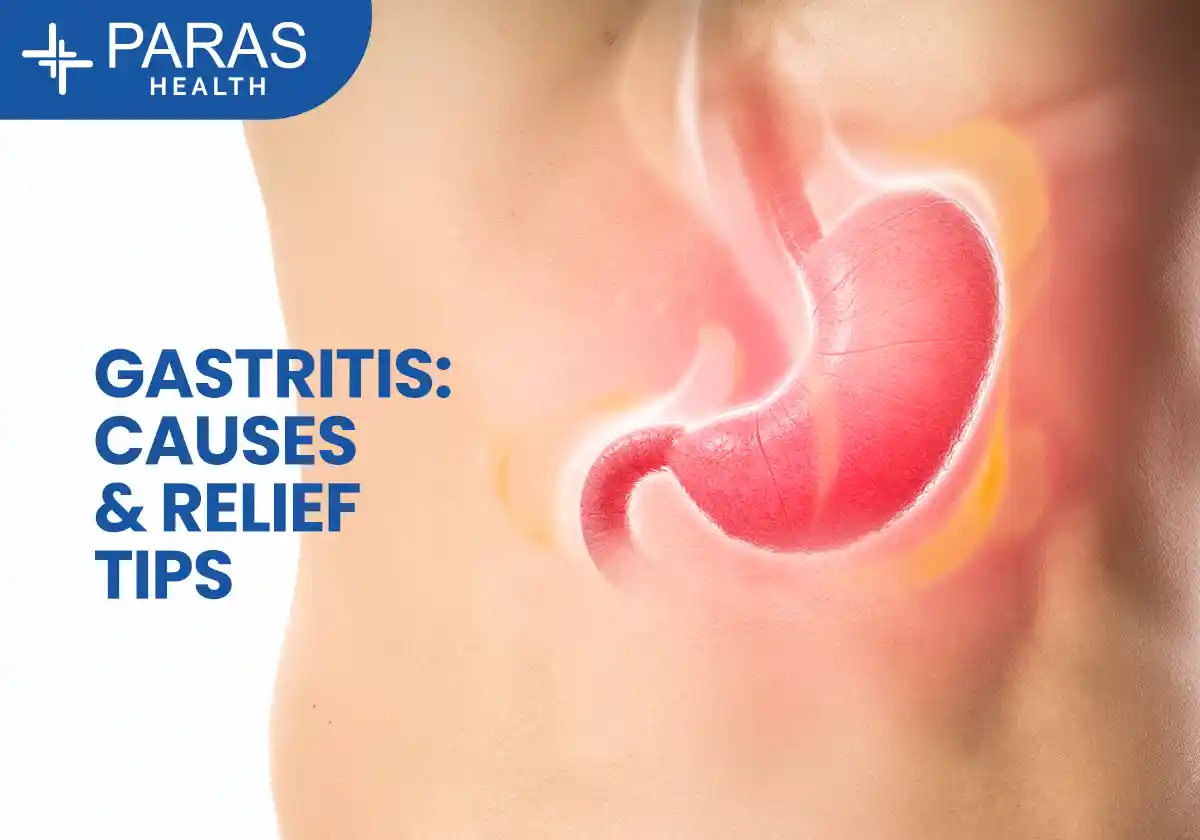
Gastritis refers to inflammation of the stomach lining.
Symptoms
- Burning stomach pain
- Nausea
- Vomiting
- Feeling full quickly
- Indigestion
Common causes
- H. pylori infection
- Long-term painkiller use
- Alcohol consumption
- Stress-related illness
Treatment usually includes medications to reduce stomach acid and antibiotics if an infection is present.
3. Peptic Ulcers
A peptic ulcer is an open sore that develops in the stomach or upper small intestine.
Symptoms
- Burning abdominal pain
- Bloating
- Nausea
- Loss of appetite
- Black stools in severe cases
Prompt treatment is important to prevent bleeding or perforation.
4. Irritable Bowel Syndrome (IBS)
IBS is one of the most common gastrointestinal disorders. It affects bowel function without causing permanent damage.
Symptoms
- Abdominal cramps
- Bloating
- Gas
- Constipation
- Diarrhea
- Alternating constipation and diarrhea
Stress, certain foods, and irregular eating habits often trigger symptoms.
5. Inflammatory Bowel Disease (IBD)
Unlike IBS, IBD causes chronic inflammation in the digestive tract.
It mainly includes:
- Crohn's Disease
- Ulcerative Colitis
Symptoms include persistent diarrhea, abdominal pain, fatigue, weight loss, and blood in stools. Early diagnosis helps reduce complications.
6. Constipation
Occasional constipation is common, but persistent constipation should not be ignored.
Causes
- Low-fiber diet
- Poor hydration
- Lack of exercise
- Certain medications
Increasing fiber intake, drinking plenty of water, and staying physically active often improve symptoms.
7. Diarrhea
Diarrhea may result from infections, food poisoning, medications, or chronic digestive diseases.
Seek medical attention if diarrhea lasts more than two days, contains blood, or causes dehydration.
8. Gastroenteritis
Commonly known as the "stomach flu," gastroenteritis is usually caused by viruses or bacteria.
Typical symptoms include:
- Vomiting
- Diarrhea
- Fever
- Stomach cramps
Most cases improve with adequate hydration and rest.
9. Gallstones
Gallstones are hardened deposits that form in the gallbladder.
Symptoms may include severe pain in the upper right abdomen, nausea, vomiting, and pain after fatty meals. Surgery may be recommended if symptoms are recurrent.
10. Hemorrhoids
Hemorrhoids are swollen veins around the rectum or anus.
Common symptoms include:
- Pain during bowel movements
- Itching
- Bleeding
- Swelling
Most cases improve with dietary changes, increased fiber intake, and medications, although some patients may require minimally invasive procedures.
Common Symptoms of Digestive Disorders
Many digestive problems share similar symptoms. Watch out for:
- Persistent heartburn
- Frequent bloating
- Indigestion
- Abdominal pain
- Excessive gas
- Constipation
- Diarrhea
- Nausea or vomiting
- Blood in stools
- Black stools
- Unexplained weight loss
- Difficulty swallowing
- Loss of appetite
- Changes in bowel habits
If these symptoms continue for more than two weeks or keep returning, consult a gastroenterologist.
What Causes Digestive Disorders?
Several factors can contribute to digestive diseases, including:
Unhealthy Diet
- Processed foods
- Excessively spicy or oily meals
- Low-fiber intake
- Excess sugar
Lifestyle Factors
- Smoking
- Excess alcohol
- Poor sleep
- Physical inactivity
Medical Conditions
- Infections
- Autoimmune diseases
- Food intolerances
- Genetics
Stress and Mental Health
Stress and anxiety can significantly affect gut health, especially in conditions like IBS. Managing stress is an important part of treatment.
When Should You See a Gastroenterologist?
Many people delay seeking medical care, assuming digestive symptoms will disappear on their own. However, you should consult a gastroenterologist if you experience:
- Blood in stool
- Severe abdominal pain
- Persistent vomiting
- Difficulty swallowing
- Unexplained weight loss
- Black stools
- Frequent acid reflux
- Chronic constipation
- Chronic diarrhea
- Symptoms lasting more than two weeks
Early evaluation can help identify serious conditions before complications develop.
How Are Digestive Disorders Diagnosed?
Your doctor may recommend one or more tests depending on your symptoms.
Common investigations include:
- Medical history and physical examination
- Blood tests
- Stool examination
- Upper GI Endoscopy
- Colonoscopy
- Ultrasound abdomen
- CT scan
- MRI (if required)
- Biopsy for certain conditions
These tests help determine the exact cause of symptoms and guide appropriate treatment.
Treatment Options for Digestive Disorders
Treatment depends on the underlying condition but often includes a combination of lifestyle changes and medical care.
Lifestyle Changes
- Eat a high-fiber diet
- Drink enough water
- Exercise regularly
- Maintain a healthy weight
- Avoid smoking
- Limit alcohol
- Eat smaller meals
- Reduce stress
- Sleep adequately
Medications
Doctors may prescribe:
- Antacids
- Proton Pump Inhibitors (PPIs)
- Antibiotics (for H. pylori)
- Laxatives
- Anti-diarrheal medicines
- Anti-inflammatory medications
Advanced Procedures
Some patients may require:
- Endoscopy
- Colonoscopy
- Polyp removal
- Laparoscopic surgery
- Gallbladder surgery
Early treatment usually leads to better outcomes and faster recovery.
Foods That Support Better Digestion
A healthy diet is one of the best ways to protect your digestive health.
Include More Of
- Fresh fruits
- Green vegetables
- Whole grains
- Yogurt and probiotics
- Lentils and legumes
- Lean proteins
- Plenty of water
Limit
- Fried foods
- Processed snacks
- Sugary beverages
- Excess caffeine
- Alcohol
- Highly spicy foods
Eating slowly and maintaining regular meal timings can also improve digestion.
Can Digestive Disorders Be Prevented?
While not every digestive condition is preventable, healthy habits can significantly reduce your risk.
Simple preventive measures include:
- Eat a balanced diet rich in fiber.
- Stay physically active.
- Drink enough water.
- Maintain a healthy body weight.
- Wash hands before eating.
- Avoid smoking and excessive alcohol.
- Manage stress effectively.
- Don't ignore persistent digestive symptoms.
- Attend regular health check-ups if you have a family history of digestive diseases.
Key Facts
- Around 70% of the immune system is linked to the gut, making digestive health important for overall well-being.
- Persistent acid reflux can damage the food pipe if left untreated.
- Most cases of constipation improve with adequate fiber, fluids, and exercise.
- Stress can worsen IBS and other functional digestive disorders.
- Blood in stools should never be ignored and always warrants medical evaluation.
- Early diagnosis of digestive disorders often leads to simpler treatment and better outcomes.
- Screening procedures like colonoscopy can help detect certain conditions, including colorectal cancer, at an early stage.
Conclusion
Your digestive system plays a vital role in your overall health, and persistent symptoms should never be ignored. Whether it's acid reflux, bloating, constipation, IBS, or another digestive disorder, early diagnosis and timely treatment can make a significant difference. Adopting a balanced diet, staying active, managing stress, and consulting a qualified gastroenterologist when symptoms persist can help you maintain a healthy digestive system and improve your quality of life. If you're experiencing ongoing digestive concerns, don't rely solely on home remedies—seek professional medical advice for a personalized diagnosis and treatment plan.
FAQs
What are the most common digestive disorders?
The most common digestive disorders include GERD, gastritis, IBS, constipation, diarrhea, peptic ulcers, gallstones, and hemorrhoids. Most are treatable when diagnosed early.
What are the warning signs of a serious digestive problem?
Persistent abdominal pain, blood in stools, black stools, unexplained weight loss, difficulty swallowing, and continuous vomiting should never be ignored and require prompt medical evaluation.
Can stress cause digestive problems?
Yes. Stress affects the communication between the brain and the gut, which can worsen IBS, acidity, bloating, and indigestion in many individuals.
When should I consult a gastroenterologist?
Consult a gastroenterologist if digestive symptoms last longer than two weeks, recur frequently, or are associated with severe pain, bleeding, or unexplained weight loss.
What foods improve gut health?
A diet rich in fruits, vegetables, whole grains, probiotics, and adequate water supports gut health. Limiting processed and fried foods also helps maintain healthy digestion.
What is the difference between IBS and IBD?
IBS is a functional disorder affecting bowel movement without causing inflammation, while IBD involves chronic inflammation of the digestive tract and may require long-term medical treatment.
Can digestive disorders be cured permanently?
Some conditions, such as infections and certain ulcers, can be completely treated. Others, including IBS and IBD, are chronic but can often be effectively managed with medication and lifestyle changes.
What tests are commonly used to diagnose digestive disorders?
Doctors may recommend blood tests, stool tests, endoscopy, colonoscopy, ultrasound, CT scans, or biopsies depending on your symptoms and medical history.
How can I prevent digestive disorders?
Following a balanced diet, staying hydrated, exercising regularly, managing stress, avoiding smoking, and limiting alcohol intake can significantly reduce the risk of many digestive disorders.
Is frequent acidity normal?
Occasional acidity is common, but frequent or persistent acid reflux may indicate GERD. If symptoms occur regularly, it is advisable to seek medical evaluation to prevent complications.