
Gastritis: Symptoms, Causes, Treatment & Best Diet for Fast Relief
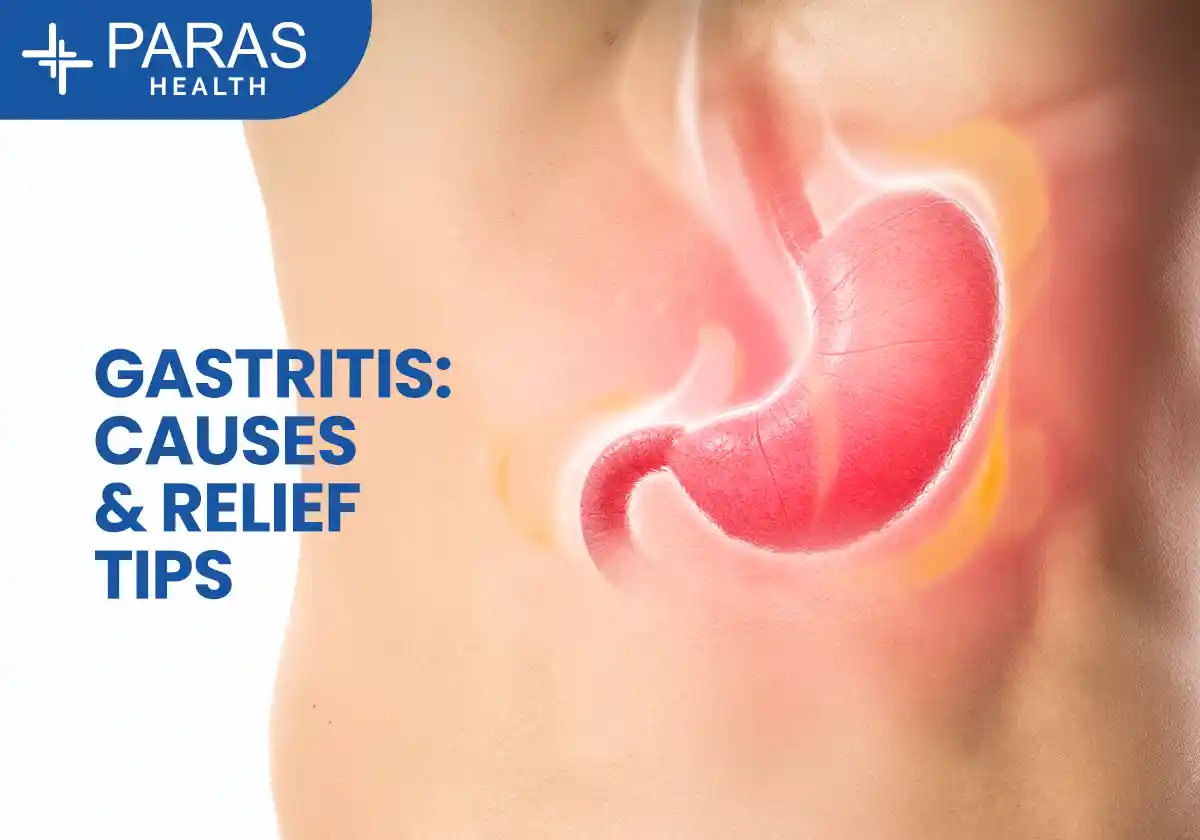
TABLE OF CONTENTS
- What Is Gastritis?
- Gastritis Symptoms You Should Never Ignore
- What Causes Gastritis?
- Gastritis vs Acidity: What’s the Difference?
- How Is Gastritis Diagnosed?
- Best Treatment Options for Gastritis
- Best Diet for Gastritis Patients
- Foods to Avoid in Gastritis
- Home Remedies for Gastritis Relief
- Can Stress Cause Gastritis?
- Complications of Untreated Gastritis
- When Should You See a Doctor?
- Tips to Prevent Gastritis Naturally
- Key Facts About Gastritis
- Conclusion
- FAQs

Stomach discomfort after eating, constant bloating, burning pain, or frequent acidity are often ignored as “normal digestive issues.” But sometimes, these symptoms may point towards gastritis — a condition that causes inflammation of the stomach lining and affects millions of people worldwide.
Modern eating habits, stress, excessive spicy food, irregular meals, smoking, alcohol, and overuse of painkillers are making gastritis symptoms increasingly common, especially among young adults. The good news is that with early diagnosis, the right treatment, and a healthy diet, gastritis can often be managed effectively.
Let’s understand everything about what is gastritis, its symptoms, causes, treatment options, and the best diet for gastritis in simple and easy language.
What Is Gastritis?
Gastritis is a condition where the lining of the stomach becomes inflamed, irritated, or swollen. The stomach naturally produces acid to digest food, but when the protective lining gets damaged, the acid starts irritating the stomach wall, leading to pain and discomfort.
The condition can be temporary or long-lasting.
Types of Gastritis
Acute Gastritis
This develops suddenly and may cause severe stomach pain, nausea, or vomiting for a short duration.
Chronic Gastritis
This develops slowly over time and can last for months or even years if untreated.
Erosive Gastritis
This type damages the stomach lining and may lead to ulcers or bleeding.
Non-Erosive Gastritis
Inflammation is present without severe erosion of the stomach lining.
Gastritis Symptoms You Should Never Ignore
The symptoms of gastritis can vary from mild to severe. Some people may not notice symptoms initially, while others experience constant discomfort.
Common gastritis symptoms
- Burning pain in the upper abdomen
- Bloating after eating
- Frequent burping and gas
- Nausea and vomiting
- Feeling full quickly
- Indigestion
- Acid reflux and gastritis
- Loss of appetite
- Stomach discomfort after meals
Severe Gastritis Symptoms
- Vomiting blood
- Black-colored stools
- Severe abdominal cramps
- Difficulty swallowing
- Chest burning sensation
If these symptoms persist, immediate medical consultation is important.
What Causes Gastritis?
There are multiple causes of gastritis, and often lifestyle plays a major role.
1. H pylori infection
One of the most common causes is a bacterial infection called H. pylori infection. This bacteria damages the stomach lining and can lead to ulcers if untreated.
2. Unhealthy Eating Habits
- Excess spicy food
- Oily and fried foods
- Irregular meal timings
- Eating late at night
- Excess caffeine
These habits can trigger stomach inflammation.
3. Stress and Anxiety
Yes, stress can affect your stomach too. Stress and gastritis are closely linked because stress increases acid production and irritates the stomach lining.
4. Excessive Use of Painkillers
Frequent use of NSAIDs like ibuprofen or aspirin may cause NSAID gastritis.
5. Smoking and Alcohol
Smoking weakens the stomach lining, while alcohol directly irritates it, increasing the risk of alcohol induced gastritis.
6. Autoimmune Conditions
Sometimes the immune system mistakenly attacks the stomach lining, leading to autoimmune gastritis.
Gastritis vs Acidity: What’s the Difference?
Many people confuse gastritis with simple acidity.
|
Gastritis |
Acidity |
|
Inflammation of stomach lining |
Excess acid production |
|
Can cause long-term damage |
Usually temporary |
|
May require antibiotics or long-term treatment |
Often relieved quickly with antacids |
|
Can lead to ulcers |
Usually less severe |
If your symptoms keep returning, it may be more than just acidity.
How Is Gastritis Diagnosed?
Doctors may recommend certain tests to confirm the diagnosis.
Gastritis diagnosis may include:
- Physical examination
- Blood tests
- Stool tests
- H pylori test
- Endoscopy for gastritis
- Gastric biopsy in some cases
During an endoscopy, a thin camera tube is inserted through the mouth to examine the stomach lining.
Best Treatment Options for Gastritis
The right gastritis treatment depends on the underlying cause.
Medicines Commonly Used
Antacids
These provide quick relief by neutralizing stomach acid.
Proton Pump Inhibitors (PPIs)
These reduce acid production and allow the stomach lining to heal.
Antibiotics
If H pylori infection is present, antibiotics are prescribed.
Acid-Reducing Medicines
These help control symptoms and improve digestion.
Best Diet for Gastritis Patients
Diet plays a huge role in recovery. Choosing the right foods can reduce irritation and help heal the stomach lining faster.
Foods to eat during gastritis
Easy-to-Digest Foods
- Oatmeal
- Rice
- Bananas
- Boiled potatoes
- Plain toast
Probiotic Foods
- Yogurt
- Buttermilk
- Fermented foods
These improve gut health and digestion.
Fruits Good for Gastritis
- Papaya
- Apples
- Melons
- Pears
Healthy Drinks
- Coconut water
- Herbal tea
- Warm water
Foods to Avoid in Gastritis
Certain foods can worsen inflammation and increase discomfort.
Foods to avoid in gastritis
- Spicy foods
- Fried foods
- Processed snacks
- Coffee
- Alcohol
- Carbonated drinks
- Excess sugar
- Pickles and vinegar-heavy foods
Reducing these foods can significantly improve symptoms.
Home Remedies for Gastritis Relief
Some natural remedies may help provide comfort along with medical treatment.
Natural remedies for gastritis
- Ginger tea
- Honey with warm water
- Aloe vera juice
- Chamomile tea
- Eating smaller meals
However, home remedies should not replace medical treatment in severe cases.
Can Stress Cause Gastritis?
Absolutely. The connection between the brain and digestive system is very strong.
Stress increases stomach acid and slows digestion, leading to:
- Acidity
- Bloating
- Stomach cramps
- Burning sensation
Managing stress through yoga, meditation, exercise, and proper sleep can help reduce symptoms.
Complications of Untreated Gastritis
Ignoring gastritis for a long time can lead to serious health problems.
Untreated gastritis risks
- Stomach ulcers
- Internal bleeding
- Anemia
- Vitamin B12 deficiency
- Increased risk of stomach cancer
- Chronic digestive disorders
Early diagnosis is important to avoid complications.
When Should You See a Doctor?
Seek medical help if you experience:
- Severe stomach pain
- Vomiting blood
- Persistent bloating
- Black stools
- Sudden weight loss
- Difficulty eating
- Symptoms lasting more than a week
Consulting a gastroenterologist for gastritis can help identify the root cause and start proper treatment.
Tips to Prevent Gastritis Naturally
Healthy Lifestyle Habits
- Eat meals on time
- Avoid smoking and alcohol
- Drink enough water
- Manage stress
- Avoid overeating
- Limit spicy and oily foods
Simple daily habits can protect your stomach and improve digestion.
Key Facts About Gastritis
- Gastritis disease can be acute or chronic.
- H pylori infection is one of the leading causes worldwide.
- Stress and unhealthy food habits commonly trigger symptoms.
- Early treatment helps prevent ulcers and stomach bleeding.
- Proper diet plays a major role in healing the stomach lining.
Conclusion
Gastritis is more than just a temporary stomach problem. Persistent acidity, bloating, stomach burning, or digestive discomfort should never be ignored. With the right combination of medication, healthy eating habits, stress management, and timely treatment, most people can recover effectively and prevent complications.
If you are experiencing recurring stomach pain or digestive symptoms, consult an expert early. Taking care of your stomach today can protect your overall health in the long run.
FAQs
What are the first signs of gastritis?
The earliest signs usually include stomach burning, bloating, nausea, indigestion, and discomfort after eating.
Can gastritis go away on its own?
Mild gastritis may improve with dietary changes, but chronic or severe gastritis often requires medical treatment.
What foods heal gastritis faster?
Bananas, oatmeal, rice, yogurt, boiled vegetables, and probiotic foods are considered helpful for healing.
Can stress cause gastritis?
Yes, stress can increase stomach acid and worsen inflammation, triggering gastritis symptoms.
Is gastritis dangerous?
If untreated, gastritis may lead to ulcers, bleeding, anemia, or even stomach cancer in rare cases.
How long does gastritis take to heal?
Acute gastritis may heal within days, while chronic gastritis can take weeks or months depending on the cause.
What should I avoid eating during gastritis?
Avoid spicy foods, fried items, coffee, alcohol, processed foods, and carbonated drinks.
Can gastritis cause chest pain?
Yes, severe acidity and inflammation may sometimes cause chest burning or discomfort.
Which doctor should I consult for gastritis?
A gastroenterologist specializes in digestive disorders and can help diagnose and treat gastritis.
Is gastritis permanently curable?
Many cases can be treated successfully, especially when the underlying cause is identified early.