
Fatty Liver Disease: Symptoms, Causes, Treatment, Diet & How to Reverse It Naturally
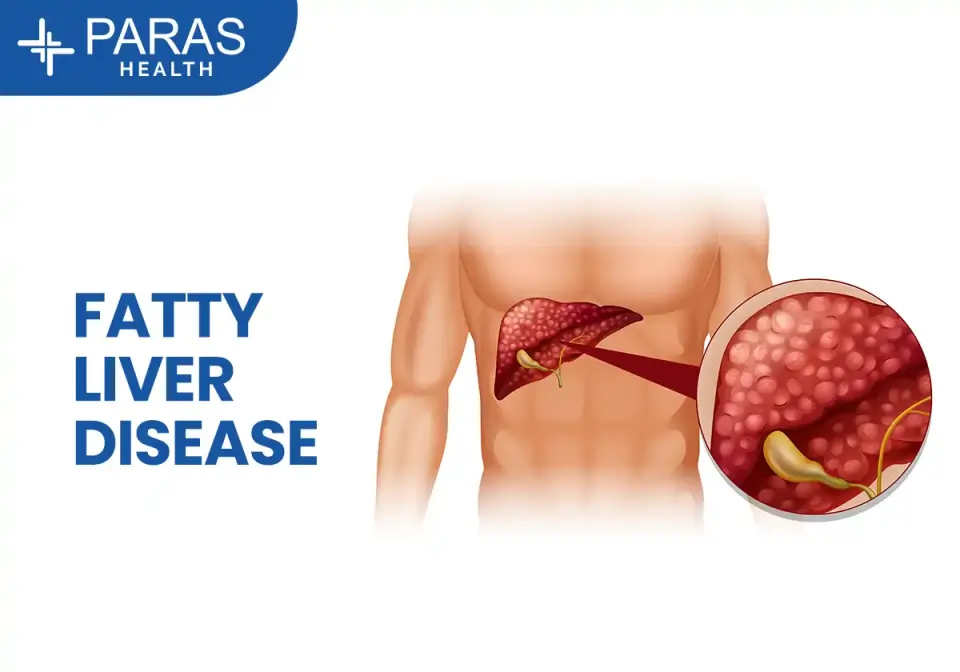
TABLE OF CONTENTS
- What is Fatty Liver Disease?
- Types of Fatty Liver Disease
- Fatty Liver Symptoms
- Causes of Fatty Liver Disease
- Who is at Risk of Fatty Liver?
- Fatty Liver Grades Explained
- How is Fatty Liver Diagnosed?
- Fatty Liver Treatment: Can It Be Cured?
- Best Diet for Fatty Liver Disease
- Home Remedies That Support Liver Health
- How to Prevent Fatty Liver Disease
- Key Facts About Fatty Liver Disease
- When Should You See a Doctor?
- Conclusion
- FAQs

Fatty Liver Disease is becoming one of the most common lifestyle-related health problems today. Earlier, liver diseases were mostly linked to alcohol consumption, but now even young adults and people who do not drink alcohol are being diagnosed with fatty liver.
The concerning part? Fatty liver often shows no symptoms in the early stages, which means many people discover it accidentally during a routine health checkup or ultrasound.
The good news is that in most cases, fatty liver disease is reversible with timely lifestyle changes, proper diet, and medical guidance.
Let’s understand everything about fatty liver in simple, patient-friendly language.
What is Fatty Liver Disease?
Fatty Liver Disease occurs when excess fat builds up inside liver cells. Normally, the liver contains a small amount of fat, but when fat makes up more than 5–10% of the liver’s weight, it is called hepatic steatosis or fatty liver.
Your liver performs more than 500 essential functions, including:
- Detoxifying harmful substances
- Supporting digestion
- Regulating metabolism
- Controlling cholesterol and blood sugar
When fat accumulates in the liver, these functions may gradually get affected.
Types of Fatty Liver Disease
1. Non-Alcoholic Fatty Liver Disease (NAFLD)
This is the most common type and occurs in people who drink little or no alcohol. It is mainly linked to:
- Obesity
- Diabetes
- High cholesterol
- Sedentary lifestyle
2. Alcoholic Fatty Liver Disease
This develops due to excessive alcohol consumption, which damages liver cells and leads to fat accumulation.
3. Non-alcoholic Steatohepatitis (NASH)
This is an advanced stage of fatty liver where inflammation and liver damage begin. If untreated, it may progress to fibrosis or liver cirrhosis.
Fatty Liver Symptoms
One of the biggest challenges with fatty liver disease is that many people experience no early symptoms.
However, some warning signs may include:
- Constant fatigue or low energy
- Mild pain or discomfort in the upper right abdomen
- Feeling heavy after meals
- Unexplained weakness
- Slight enlargement of the liver
- Difficulty losing weight
In advanced stages, symptoms may become more noticeable.
Causes of Fatty Liver Disease
Fatty liver is largely considered a lifestyle disease today.
Common causes include:
- Obesity or excess body weight
- Type 2 diabetes
- High cholesterol and triglycerides
- Insulin resistance
- Poor eating habits
- Lack of physical activity
- Excess sugar consumption
- Alcohol intake
Modern lifestyles involving long sitting hours and processed foods significantly increase fatty liver risk.
Who is at Risk of Fatty Liver?
You may have a higher risk if you:
- Are overweight or obese
- Have diabetes or prediabetes
- Have high blood pressure
- Lead a sedentary lifestyle
- Have PCOS
- Consume high-calorie or junk food regularly
Even people with normal weight can develop fatty liver due to metabolic imbalance.
Fatty Liver Grades Explained
Doctors usually classify fatty liver into stages based on severity.
Grade 1 Fatty Liver (Mild)
- Small fat accumulation
- Usually reversible
- Minimal liver damage
Grade 2 Fatty Liver (Moderate)
- Increased fat build-up
- Liver inflammation may begin
Grade 3 Fatty Liver (Severe)
- Significant fat accumulation
- Higher risk of fibrosis or cirrhosis
Early detection greatly improves recovery outcomes.
How is Fatty Liver Diagnosed?
Fatty liver is commonly detected through routine tests such as:
- Liver Function Test (LFT)
- Ultrasound abdomen
- Fibroscan liver test
- Blood tests
- Liver enzyme evaluation (SGPT, SGOT)
Regular health checkups help identify fatty liver before complications develop.
Fatty Liver Treatment: Can It Be Cured?
A common question patients ask is — Can fatty liver be reversed?
Yes. In most early cases, fatty liver can be completely reversed.
Treatment mainly focuses on:
- Weight management
- Lifestyle modification
- Controlling diabetes and cholesterol
- Reducing liver inflammation
Currently, lifestyle correction remains the most effective treatment.
Best Diet for Fatty Liver Disease
Diet plays a major role in improving liver health.
Foods Good for Fatty Liver
Include:
- Fresh fruits and vegetables
- Whole grains
- Nuts and seeds
- Lean protein
- Green leafy vegetables
- Healthy fats like olive oil
Foods to Avoid
Limit or avoid:
- Fried and oily foods
- Sugary drinks
- Processed foods
- Refined carbohydrates
- Excess salt
- Alcohol
An Indian balanced diet with portion control works very well for fatty liver management.
Lifestyle Changes to Reverse Fatty Liver
Simple daily habits can significantly improve liver health.
1. Regular Exercise
At least 30–45 minutes of physical activity helps reduce liver fat.
2. Weight Loss
Losing even 5–10% of body weight can reverse fatty liver.
3. Improve Sleep
Poor sleep affects metabolism and liver function.
4. Reduce Stress
Chronic stress contributes to metabolic disorders.
Consistency matters more than extreme dieting.
Home Remedies That Support Liver Health
While medical advice is important, certain healthy habits may help:
- Drinking adequate water
- Increasing fiber intake
- Consuming black coffee in moderation
- Eating antioxidant-rich foods
- Staying physically active
Avoid self-medication or unverified liver detox products.
Complications of Untreated Fatty Liver
Ignoring fatty liver disease may lead to serious conditions such as:
- Liver inflammation
- Liver fibrosis
- Cirrhosis
- Liver failure
- Increased cardiovascular risk
This is why early management is extremely important.
How to Prevent Fatty Liver Disease
Prevention mainly involves healthy lifestyle choices:
- Maintain ideal body weight
- Exercise regularly
- Limit alcohol consumption
- Eat balanced meals
- Monitor blood sugar and cholesterol
- Undergo regular health screening
Healthy liver habits today prevent major complications tomorrow.
Key Facts About Fatty Liver Disease
- Fatty liver affects nearly 1 in 3 adults globally.
- Many patients have no symptoms initially.
- Non-alcoholic fatty liver disease is rising rapidly in India.
- Early-stage fatty liver is reversible.
- Weight loss is the most effective treatment.
- Diabetes and obesity are major risk factors.
- Fatty liver can progress silently if ignored.
When Should You See a Doctor?
Consult a doctor if you:
- Feel persistent fatigue
- Have abnormal liver test reports
- Are diabetic or overweight
- Experience abdominal discomfort
- Have a family history of liver disease
Early consultation helps prevent disease progression.
Conclusion
Fatty Liver Disease is increasingly common but largely preventable and reversible when detected early. Small yet consistent lifestyle changes — healthy eating, regular exercise, and routine health monitoring — can significantly improve liver health.
FAQs
Is fatty liver disease dangerous?
In early stages it is usually harmless, but if untreated, it can progress to serious liver damage like cirrhosis.
Can fatty liver be reversed naturally?
Yes, lifestyle changes such as weight loss, healthy diet, and exercise can reverse fatty liver in many cases.
What is the fastest way to reduce fatty liver?
Regular exercise, reducing sugar intake, and losing excess weight are the most effective ways.
Does fatty liver cause pain?
Some people may feel mild discomfort or heaviness in the upper right side of the abdomen.
How long does fatty liver take to heal?
Improvement can begin within a few months with consistent lifestyle changes.
Is Grade 1 fatty liver serious?
Grade 1 fatty liver is mild and usually reversible with diet and lifestyle correction.
Which foods help repair fatty liver?
Fruits, vegetables, whole grains, nuts, and healthy fats support liver recovery.
Can fatty liver occur without alcohol?
Yes, Non-Alcoholic Fatty Liver Disease (NAFLD) occurs even in people who do not consume alcohol.
Is exercise necessary for fatty liver treatment?
Yes, physical activity helps reduce liver fat and improves metabolism.
Can fatty liver lead to cirrhosis?
If ignored for years, fatty liver may progress to liver fibrosis and cirrhosis.