
Acid Reflux: Symptoms, Causes, Treatment & Prevention
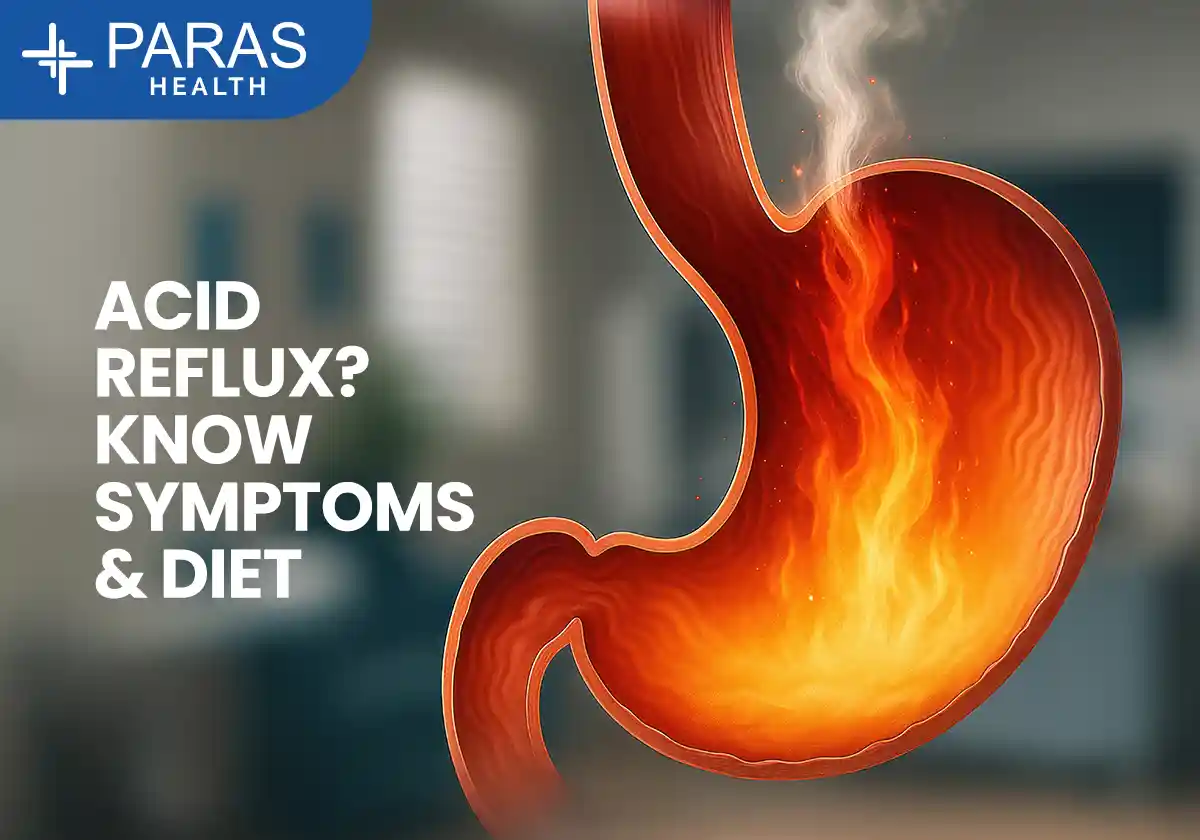

A burning feeling in the chest after meals, sour fluid coming back into the mouth, or frequent acidity are problems many people ignore in the beginning. However, when these symptoms keep returning, they may point towards acid reflux or gastroesophageal reflux disease (GERD).
Acid reflux happens when stomach acid flows backward into the food pipe (esophagus). Normally, a muscle called the lower esophageal sphincter acts like a valve and prevents acid from moving upward. When this valve becomes weak or relaxes at the wrong time, acid escapes into the esophagus, causing irritation and discomfort.
Occasional acid reflux is common. It may happen after overeating, consuming spicy food, or lying down immediately after meals. But frequent reflux can affect daily life, disturb sleep, and even damage the esophagus if left untreated.
The good news is that acid reflux can usually be managed successfully with lifestyle changes, dietary modifications, medicines, and timely medical care.
Symptoms of Acid Reflux
The symptoms of acid reflux can vary from mild discomfort to severe irritation. Some people experience symptoms occasionally, while others suffer almost daily.
Common acid reflux symptoms include:
Heartburn
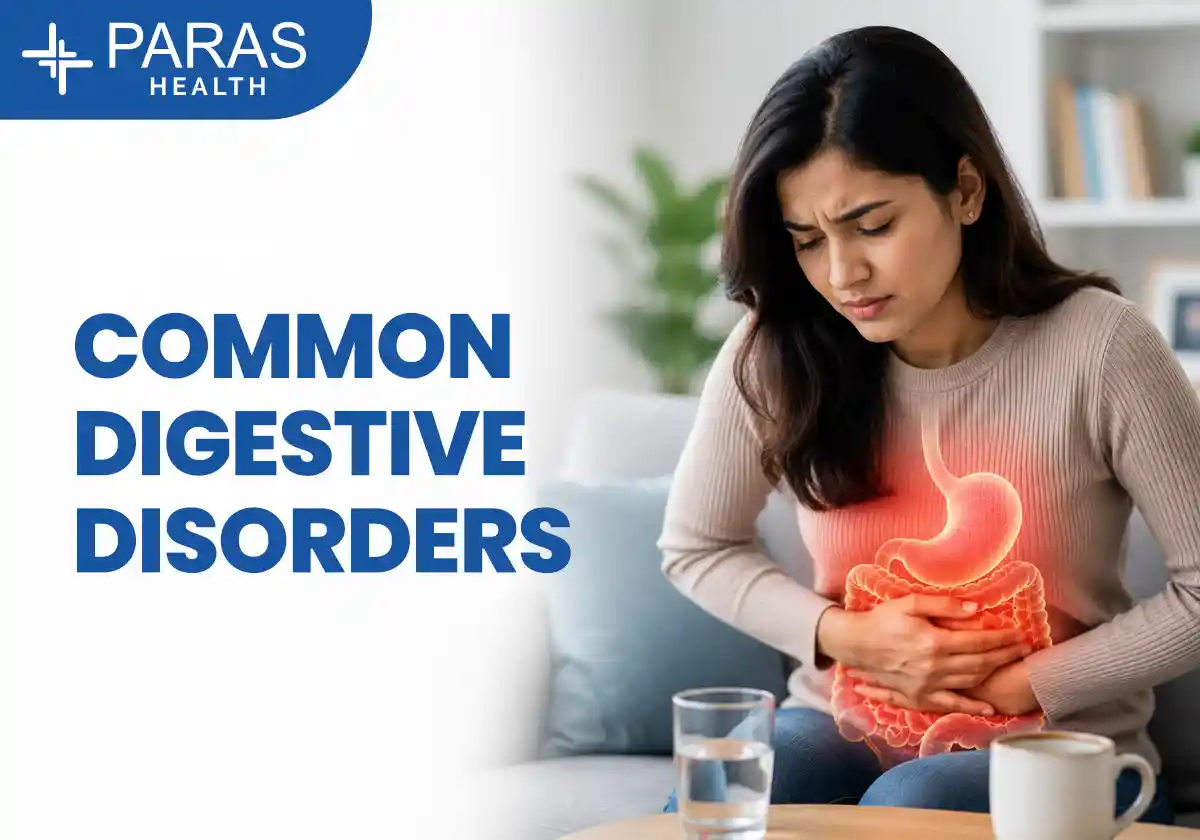
A burning sensation in the chest, especially after meals or while lying down. This is one of the most common symptoms of GERD.
Sour Taste in the Mouth
Acid or partially digested food may come back into the throat or mouth, leaving a bitter or sour taste.
Chest Pain
Some patients describe reflux-related chest pain as pressure or burning behind the breastbone. It can sometimes mimic heart-related pain.
Difficulty Swallowing
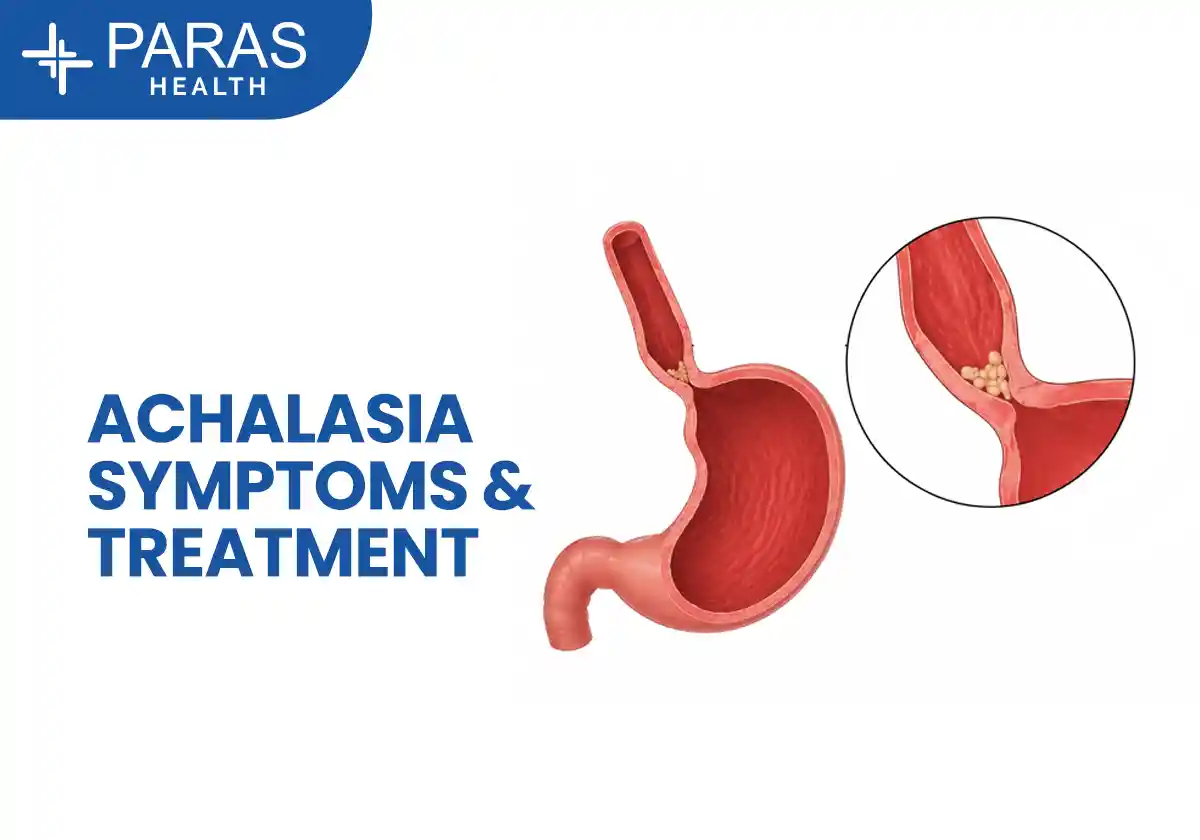
Long-term acid irritation may cause inflammation or narrowing of the food pipe, making swallowing difficult.
Chronic Cough
Many people are surprised to learn that persistent cough can be linked to acid reflux, especially at night.
Sore Throat or Hoarseness
Acid reaching the throat can irritate the voice box and cause throat discomfort or hoarseness in the morning.
Bloating and Burping
Frequent burping, bloating, or feeling excessively full after meals may accompany reflux symptoms.
Nausea
Some patients experience nausea or a feeling of stomach discomfort after eating.
Nighttime Acid Reflux
Symptoms often worsen at night because lying flat makes it easier for acid to move upward.
Bad Breath
Chronic reflux may contribute to unpleasant breath due to acid regurgitation.
In children and elderly patients, symptoms may appear differently. Persistent cough, repeated throat clearing, poor appetite, or unexplained chest discomfort should not be ignored.
Causes of Acid Reflux
Acid reflux develops when the lower esophageal sphincter does not function properly. Several lifestyle and medical factors can contribute to this condition.
Weak Lower Esophageal Sphincter
The valve between the stomach and food pipe becomes weak, allowing stomach acid to flow backward.
Overeating
Large meals increase pressure inside the stomach and make reflux more likely.
Spicy and Oily Foods
Fried foods, heavy curries, and spicy meals can trigger reflux symptoms in many individuals.
Obesity
Excess body weight increases abdominal pressure, pushing stomach acid upward.
Smoking
Smoking weakens the lower esophageal sphincter and increases acid production.
Alcohol Consumption
Alcohol irritates the digestive tract and can worsen reflux episodes.
Pregnancy
Hormonal changes and increased abdominal pressure during pregnancy often cause temporary acid reflux.
Hiatal Hernia
A condition where part of the stomach moves upward through the diaphragm can contribute to GERD.
Stress and Anxiety
Stress does not directly cause acid reflux but can worsen symptoms and digestive discomfort.
Lying Down After Meals
Sleeping or reclining immediately after eating increases the risk of acid regurgitation.
Certain medicines such as painkillers, blood pressure medications, and some asthma medicines may also trigger reflux symptoms.
Risk Factors for Acid Reflux
Some individuals are more likely to develop chronic acid reflux than others.
Major risk factors include:
- Obesity or overweight
- Sedentary lifestyle
- Smoking
- Excessive tea or coffee intake
- Frequent consumption of junk food
- Pregnancy
- Eating late-night meals
- Chronic stress
- Diabetes
- Hiatal hernia
- Family history of GERD
People working night shifts or following irregular eating schedules often report more severe symptoms.
Diagnosis of Acid Reflux
Doctors usually diagnose acid reflux based on symptoms and medical history. However, additional tests may be needed if symptoms are severe, persistent, or associated with complications.
Clinical Evaluation
The doctor asks about symptoms such as heartburn, chest burning, regurgitation, and swallowing difficulty.
Upper GI Endoscopy
A thin flexible tube with a camera is used to examine the food pipe and stomach for inflammation, ulcers, or other abnormalities.
pH Monitoring Test
This test measures acid levels inside the esophagus over 24 hours.
Esophageal Manometry
It evaluates the movement and pressure of the esophageal muscles.
Barium Swallow X-ray
Patients drink a contrast liquid that helps visualize abnormalities in the food pipe.
Doctors may also rule out other conditions such as peptic ulcers, gallbladder disease, or cardiac problems if symptoms are unclear.
Treatment for Acid Reflux
Acid reflux treatment depends on symptom severity, frequency, and underlying causes. Most patients improve with a combination of lifestyle changes and medicines.
Lifestyle and Dietary Changes
Eat Smaller Meals
Avoid heavy meals. Eating smaller portions reduces stomach pressure.
Avoid Trigger Foods
Common trigger foods include:
- Spicy food
- Fried food
- Citrus fruits
- Chocolate
- Caffeine
- Carbonated drinks
- Tomato-based foods
Maintain Healthy Weight
Weight loss significantly improves GERD symptoms in overweight individuals.
Do Not Lie Down Immediately After Eating
Wait at least 2-3 hours before sleeping after meals.
Elevate the Head While Sleeping
Raising the head end of the bed may help reduce nighttime reflux.
Quit Smoking
Smoking worsens reflux and delays healing.
Reduce Alcohol Intake
Limiting alcohol often improves symptoms.
Medicines for Acid Reflux
Antacids
Provide quick temporary relief by neutralizing stomach acid.
H2 Blockers
Reduce acid production in the stomach.
Proton Pump Inhibitors (PPIs)
These medicines are commonly prescribed for moderate to severe GERD and help heal the esophagus.
Prokinetic Medicines
Help improve stomach emptying in selected patients.
Patients should avoid self-medication for prolonged periods. Long-term medicine use should always be monitored by a doctor.
Surgery for Acid Reflux
Surgery may be considered if:
- Medicines fail to control symptoms
- There is severe GERD
- Complications develop
- Hiatal hernia is present
Laparoscopic Fundoplication
This minimally invasive procedure strengthens the valve between the stomach and esophagus.
Most patients recover well and experience long-term symptom relief.
Prevention of Acid Reflux
Simple daily habits can help prevent acid reflux and improve digestive health.
Eat on Time
Avoid skipping meals or eating too late at night.
Stay Active
Regular physical activity supports healthy digestion.
Avoid Tight Clothing
Tight clothes around the abdomen increase stomach pressure.
Drink Adequate Water
Hydration helps maintain digestive balance.
Limit Junk Food
Reducing oily, processed, and spicy foods can lower reflux episodes.
Manage Stress
Yoga, meditation, and proper sleep may help reduce symptom flare-ups.
Sleep Properly
Avoid sleeping flat immediately after meals.
Preventive care is especially important for people with chronic acidity or a family history of GERD.
When to See a Doctor?
You should seek medical attention if you experience:
- Frequent heartburn more than twice a week
- Difficulty swallowing
- Unexplained weight loss
- Persistent vomiting
- Chest pain
- Black stools or vomiting blood
- Severe nighttime symptoms
- Chronic cough or throat irritation
- Symptoms not improving with medicines
Ignoring chronic acid reflux may lead to complications such as esophagitis, ulcers, narrowing of the esophagus, or Barrett’s esophagus.
Conclusion
Acid reflux is more than just occasional acidity. Persistent symptoms can affect sleep, eating habits, work productivity, and overall quality of life. Early diagnosis and proper treatment are important to prevent complications.
Healthy eating habits, weight management, stress control, and timely medical care can make a major difference. If you experience repeated heartburn, chest burning, or difficulty swallowing, do not ignore the signs. Consulting a gastroenterologist early can help you find lasting relief and protect your digestive health.
FAQs
What is acid reflux?
Acid reflux is a condition where stomach acid flows back into the food pipe, causing heartburn and irritation.
Is acid reflux the same as GERD?
Occasional acid reflux is common, but frequent or chronic reflux is called GERD.
What foods trigger acid reflux?
Spicy foods, fried foods, caffeine, chocolate, alcohol, and citrus fruits commonly trigger symptoms.
Can stress cause acid reflux?
Stress may worsen acid reflux symptoms and increase digestive discomfort.
Is acid reflux dangerous?
Untreated chronic reflux can damage the esophagus and lead to complications.
How is acid reflux diagnosed?
Doctors may use clinical evaluation, endoscopy, or pH monitoring tests.
Can acid reflux cause chest pain?
Yes, acid reflux can cause burning chest pain that may resemble heart-related discomfort.
Does milk help acid reflux?
Some people feel temporary relief with milk, while others may experience worsening symptoms.
Can acid reflux be cured permanently?
Many patients successfully control symptoms through lifestyle changes, medicines, and sometimes surgery.
When should I see a gastroenterologist for acid reflux?
You should consult a doctor if symptoms are frequent, severe, or affecting daily life.

Dr. Karan Midha is an accomplished Robotic & Laparoscopic GI Surgery and Liver Transplantation at Paras Health, Panchkula, with over 14 years of extensive experience.
Meet The Doctor