

Liver Function Test: Normal Range, Purpose, and Importance

TABLE OF CONTENTS
- What Is a Liver Function Test (LFT)?
- Why Is a Liver Function Test Done?
- What Does a Liver Function Test Measure?
- Liver Function Test Normal Range
- How to Read Liver Function Test Results
- Liver Function Test Procedure
- Liver Function Test Cost in India
- Liver Function Test for Specific Conditions
- Key Facts About Liver Function Test
- Conclusion
- FAQs

Your liver works silently every day—digesting food, removing toxins, storing energy, and keeping your body balanced. But when something goes wrong, early signs are often missed. This is where a Liver Function Test (LFT) becomes extremely important.
A liver function test blood test helps doctors understand how healthy your liver is, even before symptoms become serious. In this blog, we’ll explain what an LFT test is, why it is done, normal range values, how to read results, cost, and why it matters for your overall health—all in easy, patient-friendly language.
What Is a Liver Function Test (LFT)?
A Liver Function Test, also known as an LFT test or liver panel test, is a blood test that measures different enzymes, proteins, and substances produced by the liver.
Simply put, it tells us:
- How well your liver is working
- Whether there is liver inflammation or damage
- If bile flow is normal
- If the liver is producing enough proteins
Doctors often call it a liver blood test or liver profile test.
Why Is a Liver Function Test Done?
A liver function test is done to detect liver problems early, monitor existing liver conditions, or check liver health before certain treatments.
Common reasons for LFT test:
- Fatty liver disease
- Jaundice (yellowing of eyes or skin)
- Hepatitis B or C
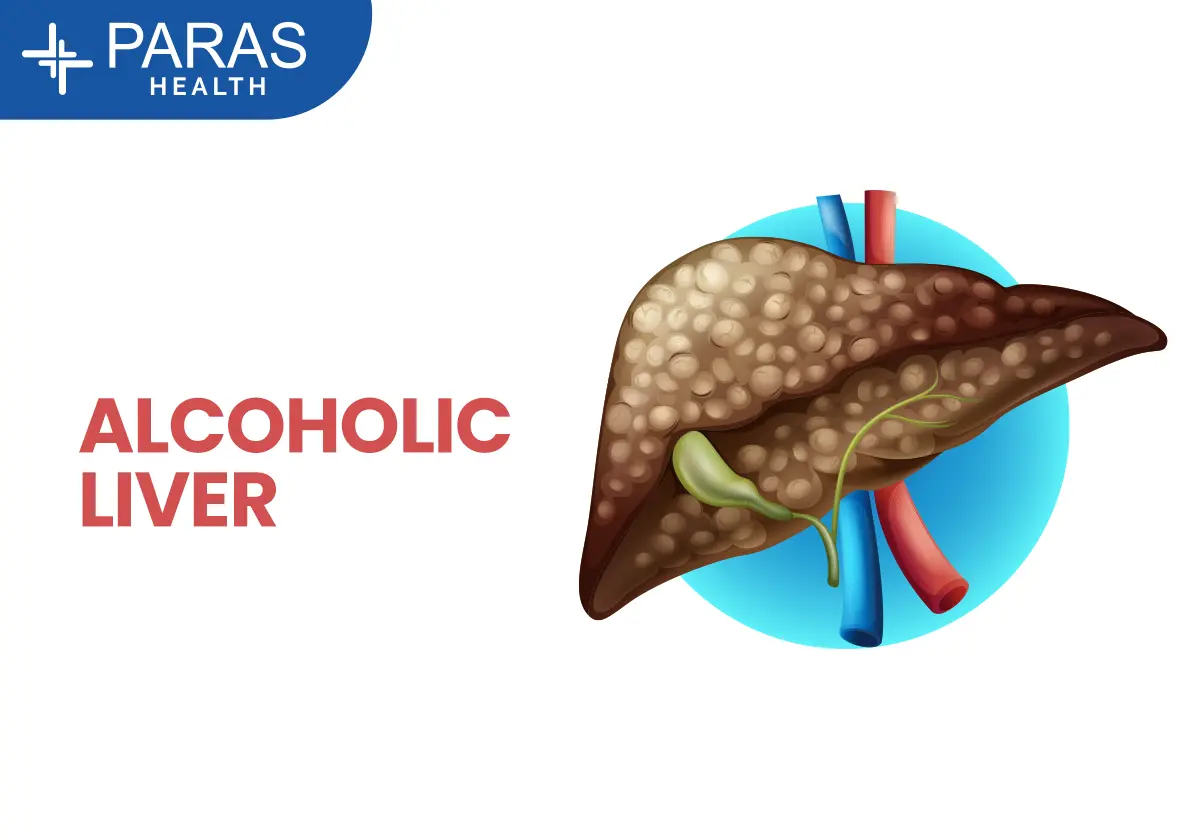
- Long-term alcohol consumption
- Side effects of medicines
- Routine health checkups
- Before surgery or pregnancy
Many people search for “why liver function test is done” because symptoms often appear late. LFT helps catch issues early.
What Does a Liver Function Test Measure?
An LFT test is actually a group of blood tests, not just one value.
1. Liver Enzymes
These enzymes increase when liver cells are damaged.
- SGPT (ALT) test – Indicates liver inflammation
- SGOT (AST) test – Can rise in liver or muscle damage
- AST ALT ratio – Helps identify the cause of liver disease
High values are commonly searched as “elevated liver enzymes” or “high SGPT levels”.
2. Bilirubin Levels
Bilirubin is a waste product formed from the breakdown of red blood cells.
- Total bilirubin
- Direct bilirubin
- Indirect bilirubin
High bilirubin levels often cause jaundice.
3. Proteins Made by the Liver
These show how well the liver is producing essential proteins.
- Serum albumin test
- Globulin
- A/G ratio
Low albumin levels may suggest chronic liver disease or poor nutrition.
4. Other Important Markers
- Alkaline phosphatase (ALP) – Related to bile flow
- Gamma GT (GGT) – Often raised in alcohol-related liver disease
Liver Function Test Normal Range
Understanding the liver function test normal range helps you interpret your report better.
|
Test |
Normal Range |
|
SGPT (ALT) |
7–56 U/L |
|
SGOT (AST) |
10–40 U/L |
|
Total Bilirubin |
0.3–1.2 mg/dL |
|
Direct Bilirubin |
0–0.3 mg/dL |
|
ALP |
44–147 IU/L |
|
Albumin |
3.5–5.0 g/dL |
|
Total Protein |
6.0–8.3 g/dL |
Normal ranges may vary slightly between labs.
How to Read Liver Function Test Results
Many patients worry when they see “abnormal” written on their report. But one abnormal value does not always mean serious disease.
What abnormal LFT may indicate:
- High SGPT / SGOT – Liver inflammation, fatty liver, hepatitis
- High bilirubin – Jaundice, bile duct blockage
- Low albumin – Chronic liver disease or malnutrition
- High ALP or GGT – Bile flow problems or alcohol effect
Doctors always interpret LFT results along with symptoms, history, and other tests.
Causes of Abnormal Liver Function Test
An abnormal liver function test can occur due to many reasons:
- Fatty liver disease
- Hepatitis B or C infection
- Excess alcohol intake
- Obesity and diabetes
- Certain medicines (painkillers, antibiotics)
- Viral infections
- Autoimmune liver disease
This is why people often search “causes of abnormal LFT” or “high liver enzymes causes”.
Symptoms That May Require an LFT Test
You may need a liver function test if you experience:
- Yellow eyes or skin
- Persistent fatigue
- Abdominal pain on the right side
- Dark urine or pale stools
- Nausea or loss of appetite
- Unexplained weight loss
These are common liver problem symptoms that should not be ignored.
Liver Function Test Procedure
The LFT test procedure is simple and safe.
- A small blood sample is taken from a vein
- The test takes only a few minutes
- Results are usually available within 24 hours
Is Liver Function Test Fasting?
- Usually not required, but some doctors may advise fasting for accuracy.
How to Prepare for Liver Function Test
Before your LFT test:
- Avoid alcohol for 24–48 hours
- Inform your doctor about medicines you take
- Follow fasting instructions if advised
Proper preparation ensures accurate results.
Liver Function Test Cost in India
The liver function test cost in India is affordable and widely available.
- Average cost: ₹300 – ₹800
- Cost may vary based on city, lab, and home collection services
People often search “LFT test price near me” for convenience.
Liver Function Test for Specific Conditions
LFT in Fatty Liver
Helps monitor liver inflammation and response to lifestyle changes.
LFT in Hepatitis
Used to assess severity and treatment progress.
LFT in Pregnancy
Done if there are symptoms like itching or high blood pressure.
LFT in Diabetes
Diabetics are at higher risk of fatty liver.
Can Liver Function Test Detect Serious Diseases?
An LFT test cannot directly detect liver cancer, but it can show abnormalities that may require further testing like ultrasound, CT scan, or biopsy.
So, if you’re asking “can liver function test detect cancer?”—it’s a screening tool, not a diagnostic test.
Why Liver Function Test Is Important
- Detects liver disease early
- Helps prevent complications
- Monitors treatment effectiveness
- Supports long-term liver health
A simple blood test can protect one of your most vital organs.
Key Facts About Liver Function Test
- LFT is a group of blood tests, not a single test
- Mild elevation can be temporary
- Normal LFT does not always rule out disease
- Lifestyle changes can improve LFT values
- Regular testing helps prevent liver failure
Conclusion
A Liver Function Test is a simple yet powerful tool to protect your liver health. Whether you have symptoms or not, regular testing helps detect problems early and prevents serious complications.
If you’ve been advised to get an LFT test, don’t delay—your liver health matters more than you think.
FAQs
What is a liver function test?
A liver function test is a blood test that checks how well your liver is working by measuring enzymes, proteins, and bilirubin.
Is liver function test dangerous?
No. It is a safe, routine blood test with minimal risk.
Is liver function test fasting?
Usually no, but fasting may be advised in some cases.
What does high SGPT mean?
High SGPT usually indicates liver inflammation or fatty liver.
Can LFT be normal in liver disease?
Yes. Early liver disease may show normal LFT values.
How often should LFT be done?
Once a year for healthy adults or as advised by a doctor.
What happens if LFT is abnormal?
Your doctor may repeat the test or recommend further investigations.
Does alcohol affect LFT?
Yes. Alcohol can significantly raise liver enzyme levels.
Can medicines increase LFT values?
Certain medicines like painkillers and antibiotics can affect LFT.
Is LFT enough to diagnose liver disease?
No. It is a screening test and may need imaging or other tests.



 Infectious Diarrhea Eng.webp)