

Metabolic Rate: Meaning, Types, Factors & How to Improve It Naturally
TABLE OF CONTENTS
- What Is Metabolic Rate?
- How Metabolism Works in the Body
- Types of Metabolic Rate
- What Is a Normal Metabolic Rate?
- Fast vs Slow Metabolism
- Causes of Low Metabolic Rate
- Metabolic Rate and Weight
- Age, Gender & Metabolism
- Hormones That Affect Metabolism
- Health Conditions Linked to Metabolism
- Medical Tests for Metabolic Rate
- Foods That Help Boost Metabolism
- Lifestyle Factors That Influence Metabolism
- How to Increase Metabolic Rate Naturally
- Supplements & Vitamins for Metabolism
- When to Consult a Doctor
- Key Facts About Metabolic Rate
- Conclusion
- FAQ's

Have you ever wondered why some people seem to eat freely without gaining weight, while others struggle despite eating carefully? The answer often lies in metabolic rate.
Your metabolic rate decides how quickly your body converts food into energy and how many calories you burn—even when you’re resting. Understanding metabolism can help you manage weight, improve energy levels, and protect long-term metabolic health.
In this blog, we’ll break down everything about metabolic rate in a clear, easy-to-understand way—no complicated medical terms, just practical information you can actually use.
What Is Metabolic Rate?
Metabolic rate refers to the speed at which your body performs metabolism—the process of turning food into energy.
In simple words:
- It is how fast your body metabolism works
- It decides how many calories your body burns every day
- It supports vital functions like breathing, blood circulation, digestion, and temperature control
Even when you are sleeping or sitting quietly, your body is still burning calories. That basic calorie burn is your metabolic rate.
How Metabolism Works in the Body
Your body needs energy all the time. This energy comes from:
- Carbohydrates
- Proteins
- Fats
These nutrients are broken down through metabolic processes to release energy. This energy is used for:
- Heartbeat and breathing
- Brain activity
- Muscle movement
- Repairing cells
The total amount of energy your body uses in a day is called total energy expenditure, which includes:
- Calories burned at rest
- Calories burned during physical activity
- Calories used to digest food
Healthy metabolic function is essential for good metabolic health
Types of Metabolic Rate
Basal Metabolic Rate (BMR)
Basal Metabolic Rate (BMR) is the number of calories your body burns at complete rest.
It supports basic life functions like:
- Breathing
- Heart function
- Brain activity
Key BMR facts
- BMR makes up about 60–70% of daily calorie burn
- It varies by age, gender, height, weight, and muscle mass
- Men usually have a higher BMR than women
- BMR decreases with age
Doctors use BMR calculation formulas or a BMR calculator to estimate your daily calorie needs.
Resting Metabolic Rate (RMR)
Resting Metabolic Rate (RMR) is similar to BMR but slightly higher.
- It measures calories burned at rest but in a relaxed, not completely fasting state
- RMR vs BMR difference is small but clinically useful
- Used in nutrition planning and weight management
Both BMR and RMR help understand your resting calorie burn
What Is a Normal Metabolic Rate?
There is no single “perfect” number. A normal metabolic rate depends on:
- Age
- Gender
- Body composition
- Activity level
On average
- Most adults burn 1,200–2,000 calories per day at rest
- Taller, more muscular people burn more calories
- With aging, daily calorie burn slowly decreases
Fast vs Slow Metabolism
Fast Metabolism
People with a fast metabolic rate:
- Burn calories quickly
- Find it harder to gain weight
- Often feel hungry more frequently
Slow Metabolism
People with a slow metabolism may notice:
- Easy weight gain
- Low energy
- Difficulty losing fat
Signs of slow metabolism include:
- Constant fatigue
- Feeling cold often
- Weight gain despite low food intake
- Poor digestion
Common slow metabolism causes include hormonal imbalance, aging, low muscle mass, and poor lifestyle habits.
Causes of Low Metabolic Rate
A low metabolic rate can be caused by:
- Lack of physical activity
- Very low-calorie dieting
- Loss of muscle mass
- Chronic stress
- Poor sleep
- Hormonal imbalance
- Certain metabolic disorders
Over time, this can lead to metabolic imbalance and long-term metabolism problems.
Metabolic Rate and Weight
Metabolism plays a major role in body weight.
- Slow metabolism weight gain happens when calorie burn is low
- Metabolism and weight loss are closely linked
- Better metabolism supports fat loss and muscle maintenance
- Poor metabolic health increases the risk of obesity
While metabolism isn’t the only factor, it strongly influences how your body handles calories.
Age, Gender & Metabolism
Metabolism by Age
- Metabolism slows gradually after 30
- More noticeable after 40 and 50
- Muscle loss is a major reason
Metabolism in Men vs Women
- Men usually have higher metabolism due to more muscle mass
- Women may experience metabolic changes after pregnancy and menopause
Aging is natural, but lifestyle choices can slow or speed up this process.
Hormones That Affect Metabolism
Hormones have a powerful impact on metabolism.
- Thyroid metabolism controls overall metabolic speed
- Hypothyroidism slows metabolism
- Hyperthyroidism speeds it up
- Insulin affects how sugar is used
- Cortisol (stress hormone) can slow metabolism if constantly high
Hormonal imbalance is a common but treatable cause of metabolism problems.
Health Conditions Linked to Metabolism
Poor metabolic health may lead to:
- Metabolic syndrome
- Type 2 diabetes
- Heart disease
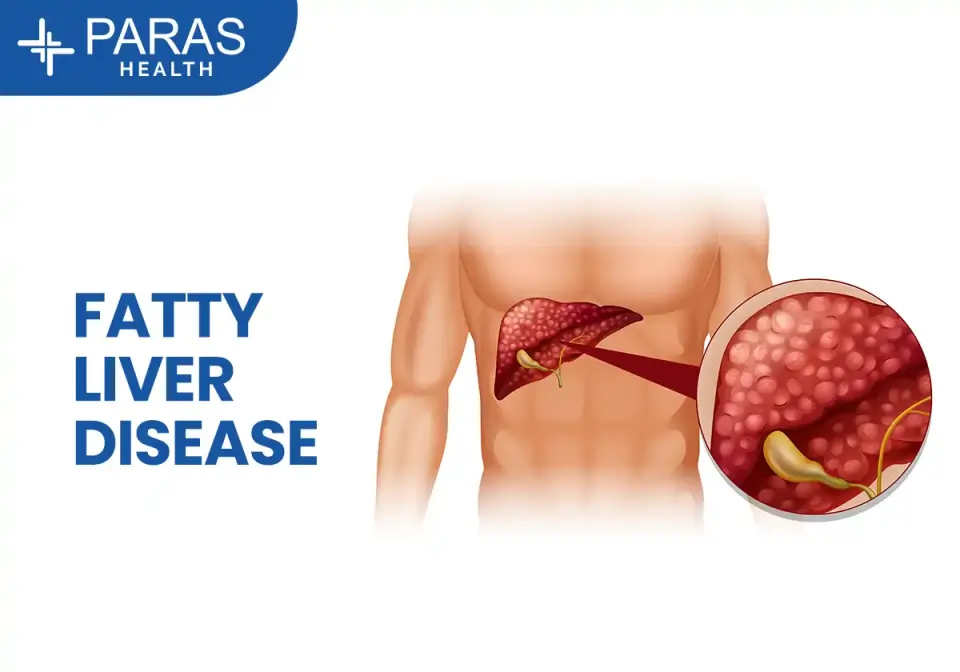
- Fatty liver disease
Early identification helps prevent serious complications.
Medical Tests for Metabolic Rate
Doctors may recommend:
- Metabolic rate test
- Metabolic panel
- Metabolic screening
- Indirect calorimetry (most accurate method)
These tests help understand calorie needs and identify metabolic disorders.
Foods That Help Boost Metabolism
Certain foods support calorie burning:
- High-protein foods (eggs, pulses, paneer)
- Whole grains
- Spices like chilli and ginger
- Green tea and coffee (in moderation)
Protein is especially important because it increases calorie burn during digestion
Lifestyle Factors That Influence Metabolism
Exercise
- Strength training increases muscle and boosts metabolism
- Regular movement improves metabolic rate
Sleep
- Poor sleep slows metabolism
- 7–8 hours of sleep supports hormone balance
Stress
- Chronic stress raises cortisol and slows metabolism
How to Increase Metabolic Rate Naturally
You can increase metabolic rate naturally by:
- Eating enough protein
- Building muscle
- Avoiding crash diets
- Staying active daily
- Managing stress
- Sleeping well
Consistency matters more than quick fixes.
Supplements & Vitamins for Metabolism
Some supplements may help when deficiencies exist:
- Vitamin D
- B-complex vitamins
- Iron (if deficient)
Always consult a doctor before using metabolism supplements or boosters
When to Consult a Doctor
See a doctor if you have:
- Sudden weight gain or loss
- Constant fatigue
- Suspected thyroid issues
- Signs of metabolic disorders
Early treatment protects long-term metabolic health.
Key Facts About Metabolic Rate
- BMR accounts for most daily calorie burn
- Muscle burns more calories than fat
- Metabolism slows with age but can be improved
- Hormones play a major role in metabolic health
- Lifestyle changes have long-term benefits
Conclusion
Your metabolic rate is not something you are stuck with forever. While age and genetics matter, daily habits play a huge role in shaping metabolic health.
By eating right, staying active, sleeping well, and managing stress, you can support a healthy metabolism and improve energy, weight balance, and overall well-being.
A healthier metabolism means a healthier you.
FAQ's
What is metabolic rate?
It is the speed at which your body burns calories to produce energy.
What causes slow metabolism?
Aging, hormonal imbalance, low muscle mass, stress, and inactivity.
How can I increase my metabolic rate naturally?
Exercise regularly, eat enough protein, sleep well, and manage stress.
Does age slow metabolism?
Yes, metabolism gradually slows after 30 due to muscle loss.
How many calories does the body burn at rest?
Most adults burn 1,200–2,000 calories per day at rest.
Can thyroid problems affect metabolism?
Yes, thyroid hormones strongly control metabolic rate.
Is slow metabolism responsible for weight gain?
It contributes, but diet and activity also matter.
Can exercise improve metabolism?
Yes, especially strength training and regular movement.
When should I get a metabolic test?
If you have unexplained weight changes or suspected hormone issues.
What is BMR and why is it important?
BMR shows how many calories your body needs for basic survival.





 Infectious Diarrhea Eng.webp)