

Gut Health: Why It Matters, Symptoms of Poor Gut Health & Ways to Improve Digestion
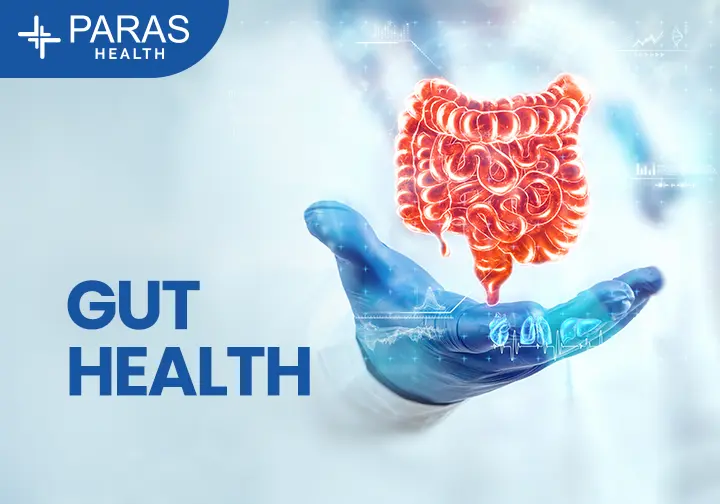
TABLE OF CONTENTS
- What Is Gut Health?
- Why Is Gut Health Important?
- Understanding the Gut Microbiome
- Signs and Symptoms of Poor Gut Health
- What Causes Poor Gut Health?
- Gut Health and Common Digestive Conditions
- Gut Health and Mental Well-Being
- Best Foods for Gut Health
- Lifestyle Habits for a Healthy Gut
- How to Improve Gut Health Naturally
- Gut Health Supplements – Do You Need Them?
- Gut Health Diagnosis and Medical Care
- Who Should See a Gastroenterologist?
- Tips to Maintain Long-Term Gut Health
- Key Facts About Gut Health
- Conclusion
- FAQs on Gut Health

Gut health has become one of the most talked-about topics in health and wellness—and for good reason. Your gut does much more than just digest food. It plays a key role in your immunity, energy levels, mental health, and overall well-being.
If you often struggle with bloating, gas, constipation, acidity, or frequent stomach discomfort, your gut health may need attention. The good news is that most gut health problems can be improved with the right diet, habits, and timely medical care.
In this blog, we’ll explain what gut health is, why it’s important, signs of poor gut health, common digestive problems, the gut-brain connection, foods for gut health, and how to improve gut health naturally—all in simple, easy-to-understand language
What Is Gut Health?
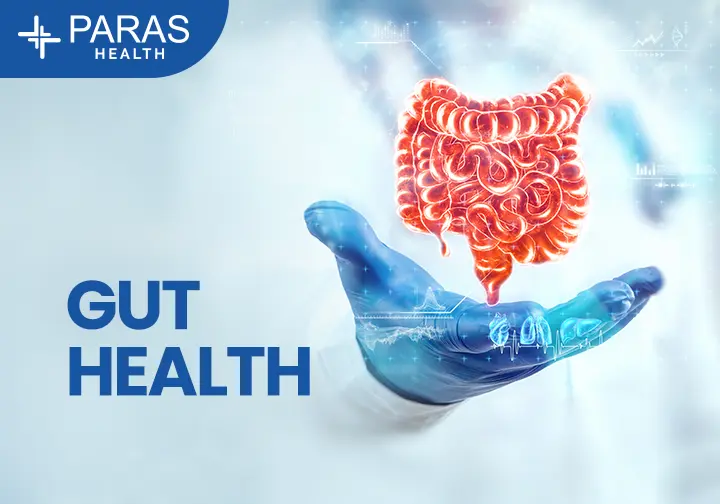
Gut health refers to how well your digestive system functions. It includes the stomach, intestines, and especially the balance of bacteria living inside your gut, known as the gut microbiome.
A healthy gut digests food properly, absorbs nutrients efficiently, and supports the immune system. When gut health is poor, digestion slows down, inflammation increases, and multiple health problems can start showing up.
Why Is Gut Health Important?
Many people think gut health is only about digestion, but it affects the entire body.
- Supports proper digestion and nutrient absorption
- Strengthens immunity and helps fight infections
- Regulates bowel movements
- Plays a role in mental health and mood
- Helps maintain energy levels and metabolism
A healthy gut keeps your body balanced from the inside out.
Understanding the Gut Microbiome
Your gut contains trillions of bacteria, both good and bad. Together, they form the gut microbiome.
- Good gut bacteria help digest food, make vitamins, and protect against infections
- Bad gut bacteria can cause inflammation, bloating, and digestive disorders
Gut health depends on maintaining the right balance of gut bacteria. When this balance is disturbed, digestive problems and other health issues can occur.
Signs and Symptoms of Poor Gut Health
Poor gut health doesn’t always show up as stomach pain alone. The symptoms can be digestive as well as non-digestive.
Digestive Symptoms
- Bloating and gas
- Constipation or diarrhea
- Indigestion
- Acid reflux
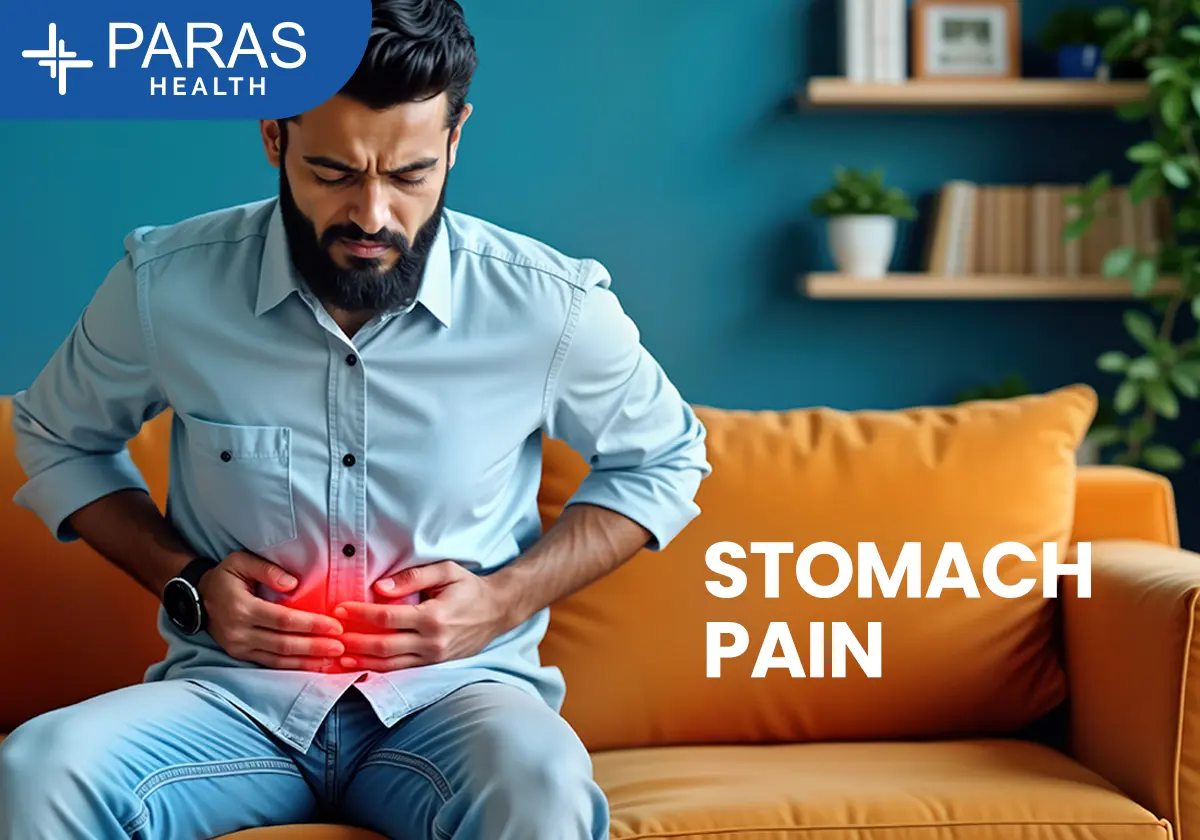
- Stomach pain or abdominal discomfort
- Irregular bowel movements
Non-Digestive Symptoms
- Frequent fatigue
- Food intolerance symptoms
- Skin issues
- Weak immunity
- Mood changes
If these symptoms are persistent, it may indicate an unhealthy gut.
What Causes Poor Gut Health?
Diet-Related Causes
- Unhealthy diet high in processed foods
- Low fiber intake
- Excess sugar and refined carbohydrates
Lifestyle-Related Causes
- Chronic stress and anxiety
- Poor sleep habits
- Lack of physical activity
- Dehydration
Medical Causes
- Frequent use of antibiotics
- Digestive disorders like IBS or gastritis
- Long-term medications
Your daily habits have a direct impact on digestive health.
Gut Health and Common Digestive Conditions
Poor gut health is linked to several digestive disorders, including:
- Irritable Bowel Syndrome (IBS) – causes bloating, pain, and irregular bowel habits
- Inflammatory Bowel Disease (IBD) – chronic inflammation of the intestines
- Gastritis and ulcers – inflammation of the stomach lining
- Acid reflux disease – frequent heartburn and acidity
- Lactose intolerance and gluten sensitivity
- Leaky gut syndrome (increased intestinal permeability)
Early diagnosis and lifestyle changes can help manage these conditions effectively.
Gut Health and Mental Well-Being
The gut and brain are closely connected through what’s called the gut-brain connection.
- Poor gut health can worsen anxiety and stress
- Stress can trigger digestive problems
- A healthy gut supports better mood and mental clarity
This is why digestive problems often flare up during stressful periods.
Best Foods for Gut Health
Diet plays the biggest role in maintaining a healthy gut.
Fiber-Rich Foods
- Whole grains
- Fruits and vegetables
- Legumes and beans
Fiber feeds good gut bacteria and supports regular bowel movements.
Probiotics and Prebiotics
- Probiotics for gut health help restore good bacteria
- Prebiotics act as food for these bacteria
- Yogurt and fermented foods support gut flora balance
Foods to Limit
- Highly processed foods
- Excess sugar
- Fried and oily foods
Lifestyle Habits for a Healthy Gut
Small daily habits can make a big difference to gut health.
- Drink enough water (hydration and gut health go hand in hand)
- Exercise regularly to support digestion
- Maintain a consistent sleep schedule
- Manage stress through relaxation techniques
- Eat meals on time and chew food properly
How to Improve Gut Health Naturally
Improving gut health doesn’t happen overnight, but consistent habits help.
- Follow a gut-friendly diet
- Reduce processed foods
- Include fermented foods
- Stay physically active
- Manage stress effectively
Most people notice improvement within a few weeks of healthy changes.
Gut Health Supplements – Do You Need Them?
Gut health supplements like probiotics and digestive enzymes may help in certain cases, such as after antibiotic use or chronic digestive problems.
However, supplements should be taken only under medical guidance, as not everyone needs them.
Gut Health Diagnosis and Medical Care
If digestive symptoms persist, medical evaluation may be needed.
- Gut health diagnosis may include blood tests or stool tests
- Digestive system checkups help identify underlying issues
- A gastroenterologist can guide treatment and diet plan
Who Should See a Gastroenterologist?
You should consult a gut health doctor if:
- Digestive symptoms last more than a few weeks
- There is unexplained weight loss
- Frequent abdominal pain or bleeding
- Severe acid reflux or bowel changes
Early consultation prevents complications.
Tips to Maintain Long-Term Gut Health
- Follow a balanced diet consistently
- Avoid unnecessary antibiotics
- Stay physically active
- Manage stress and sleep well
- Get regular health checkups
Long-term gut care leads to better overall health.
Key Facts About Gut Health
- The gut contains trillions of bacteria
- Gut health directly affects immunity
- Poor gut health can impact mental health
- Diet plays the biggest role in gut health
- Most digestive problems are preventable
Conclusion
Gut health is the foundation of good digestion and overall well-being. By paying attention to your diet, lifestyle, and early symptoms, you can prevent many digestive problems before they become serious.
If gut-related issues are affecting your daily life, timely medical guidance can help restore balance and improve quality of life.
FAQs on Gut Health
What is gut health?
Gut health refers to how well your digestive system works and how balanced your gut bacteria are.
Why is gut health important?
Gut health affects digestion, immunity, energy levels, and even mental health.
What are signs of poor gut health?
Bloating, constipation, acidity, fatigue, and food intolerance are common signs.
How can I improve gut health naturally?
Eat fiber-rich foods, manage stress, exercise regularly, and stay hydrated.
What foods are best for gut health?
Fruits, vegetables, whole grains, yogurt, and fermented foods support gut health.
Can gut health affect mental health?
Yes, poor gut health is linked to anxiety, stress, and mood changes.
How long does it take to improve gut health?
With healthy habits, improvement can be seen in a few weeks.
Do probiotics really help gut health?
Probiotics can help restore gut bacteria balance when used correctly.
When should I see a gut health doctor?
If digestive symptoms persist or worsen, consult a gastroenterologist.
Can children have gut health problems?
Yes, children can also experience digestive and gut health issues.

Dr. Karan Midha is an accomplished Robotic & Laparoscopic GI Surgery and Liver Transplantation at Paras Health, Panchkula, with over 14 years of extensive experience.
Meet The Doctor
 Infectious Diarrhea Eng.webp)