
Monsoon Diseases in Adults: Symptoms & Treatment
Jul 22, 2026
The arrival of the monsoon brings welcome relief from the summer heat, but it also creates the perfect environment for bacteria, viruses, mosquitoes, and fungi to thrive. While the rainy season is often associated with greenery and cooler weather, it is also the time when monsoon diseases in adults become increasingly common.
Adults who commute daily, work in crowded offices, eat outside frequently, or have underlying medical conditions are at a higher risk of developing rainy season diseases. Infections such as dengue fever, malaria, viral fever, typhoid, gastroenteritis, and respiratory infections during monsoon can spread rapidly if proper precautions are not taken.
The good news is that many common monsoon diseases can be prevented with good hygiene, safe food habits, mosquito control, and timely medical care. Recognising the symptoms early and seeking appropriate treatment can help prevent serious complications.
In this guide, you'll learn about the most common monsoon infections in adults, their symptoms, treatment options, prevention tips, and when it's important to consult a doctor.
Why Are Adults More Prone to Diseases During the Monsoon?
Many people assume children are the only ones who frequently fall sick during the rainy season. However, adults are equally vulnerable to seasonal viral infections and other monsoon health risks.
Several factors contribute to this increased risk:
Increased Mosquito Breeding
Water collects in flower pots, tyres, coolers, drains, and construction sites during the monsoon. These stagnant water sources become breeding grounds for mosquitoes that spread dengue, malaria, and chikungunya.
Contaminated Food and Water
Heavy rainfall often contaminates drinking water and food supplies, increasing the risk of waterborne diseases like typhoid, cholera, and gastroenteritis.
High Humidity
The humid weather encourages the growth of fungi and bacteria, leading to fungal skin infections, athlete's foot, and other skin problems.
Frequent Exposure in Public Places
Adults who travel daily using public transport or work in crowded offices are more likely to come into contact with viruses that cause viral fever, influenza, and respiratory infections.
Reduced Immunity
Stress, lack of sleep, poor nutrition, smoking, diabetes, and other chronic conditions may weaken the immune system, making it harder for the body to fight infections.
Most Common Monsoon Diseases in Adults
1. Dengue Fever
One of the most common mosquito-borne diseases during the rainy season is dengue fever, caused by the dengue virus and spread through the bite of infected Aedes mosquitoes.
Symptoms of Dengue
- High fever
- Severe headache
- Pain behind the eyes
- Joint and muscle pain
- Skin rash
- Nausea and vomiting
- Extreme weakness
Warning Signs
Seek immediate medical attention if you experience:
- Bleeding gums
- Blood in vomit or stools
- Persistent vomiting
- Severe abdominal pain
- Difficulty breathing
- Excessive drowsiness
These symptoms may indicate severe dengue, which requires urgent treatment.
Diagnosis
Doctors may recommend:
- Dengue NS1 Antigen Test
- Dengue IgM/IgG Antibody Test
- Complete Blood Count (CBC)
- Platelet count monitoring
Treatment
There is no specific antiviral treatment for dengue. Management focuses on:
- Adequate hydration
- Fever control with prescribed medication
- Monitoring platelet levels
- Hospitalisation in severe cases
Avoid taking painkillers such as ibuprofen or aspirin without medical advice, as they may increase the risk of bleeding.
2. Malaria
Another common monsoon disease in adults is malaria, caused by parasites transmitted through infected Anopheles mosquitoes.
Unlike dengue, malaria often presents with cyclical fever episodes.
Symptoms of Malaria
- High fever with chills
- Excessive sweating
- Severe headache
- Muscle aches
- Fatigue
- Nausea
- Vomiting
Without timely treatment, malaria can affect the brain, kidneys, and other vital organs.
Diagnosis
Your doctor may advise:
- Peripheral Blood Smear
- Rapid Malaria Antigen Test
- Complete Blood Count
Treatment
Treatment depends on the type of malaria parasite but usually includes prescribed antimalarial medications, fever management, hydration, and close monitoring in severe cases.
Early diagnosis usually leads to complete recovery.
3. Chikungunya
Chikungunya is another viral infection spread by mosquitoes during the monsoon. Although it is rarely life-threatening, it can cause prolonged joint pain that lasts for weeks or even months.
Symptoms
- Sudden high fever
- Severe joint pain
- Muscle pain
- Fatigue
- Headache
- Skin rash
Many adults find the joint pain more disabling than the fever itself.
Diagnosis
Doctors may recommend:
- Blood tests
- Chikungunya antibody tests
- CBC to rule out dengue and other infections
Treatment
There is no specific cure for chikungunya.
Treatment mainly includes:
- Plenty of fluids
- Rest
- Pain-relieving medicines prescribed by the doctor
- Gentle movement and physiotherapy if joint pain persists
Most patients recover fully, although stiffness may continue for several weeks.
5. Typhoid Fever
Typhoid is one of the most common waterborne diseases during the monsoon. It is caused by the bacterium Salmonella Typhi and spreads through contaminated food and drinking water. Eating unhygienic street food or drinking untreated water significantly increases the risk.
Symptoms of Typhoid
Unlike viral fever, typhoid symptoms usually develop gradually and may worsen over time.
Common symptoms include:
- Persistent high fever
- Weakness and fatigue
- Headache
- Stomach pain
- Loss of appetite
- Constipation or diarrhoea
- Nausea
- Body aches
If left untreated, typhoid can lead to serious complications such as intestinal bleeding or perforation.
4. Viral Fever
Viral fever during monsoon is among the most frequently diagnosed illnesses in adults. It is caused by several different viruses that spread through respiratory droplets, close contact, or contaminated surfaces.
Unlike bacterial infections, viral fever usually improves with supportive care, but medical evaluation is important if symptoms become severe or prolonged.
Symptoms of Viral Fever
- Fever
- Chills
- Body aches
- Fatigue
- Headache
- Sore throat
- Runny nose
- Mild cough
- Loss of appetite
Some people may also experience mild nausea or stomach discomfort.
Viral Fever vs Bacterial Fever
|
Viral Fever |
Bacterial Fever |
|
Often improves within 3–7 days |
May worsen without antibiotics |
|
Usually accompanied by body aches and cold symptoms |
More likely to cause localised infections such as pneumonia, urinary tract infections, or severe throat infections |
|
Antibiotics are not effective |
Antibiotics may be required if prescribed by a doctor |
Only a healthcare professional can determine whether a fever is viral or bacterial. Avoid self-medicating with antibiotics, as unnecessary use can contribute to antibiotic resistance and may not help viral infections.
Treatment
Most cases of viral fever improve with:
- Adequate rest
- Drinking plenty of fluids
- Healthy, nutritious meals
- Medicines to reduce fever, as advised by a doctor
- Monitoring symptoms at home
Seek medical attention if:
- Fever lasts more than three days
- Temperature remains above 102°F (38.9°C)
- You develop difficulty breathing
- You experience persistent vomiting
- You become unusually drowsy or confused
Diagnosis
Your doctor may recommend:
- Blood culture
- Typhoid IgM test
- Complete Blood Count (CBC)
- Widal test (in selected cases)
Treatment
Treatment typically includes:
- Antibiotics prescribed by your doctor
- Adequate hydration
- Easily digestible, nutritious meals
- Complete bed rest until recovery
It is important to complete the full course of antibiotics, even if you start feeling better within a few days.
6. Gastroenteritis and Food Poisoning
Monsoon increases the risk of gastroenteritis and food poisoning because bacteria and viruses multiply rapidly in warm, humid conditions. Contaminated water, stale food, and unhygienic food preparation are common causes.
Symptoms
- Loose motions (diarrhoea)
- Vomiting
- Stomach cramps
- Fever
- Nausea
- Dehydration
- Weakness
Severe dehydration can become dangerous, particularly in older adults and individuals with chronic illnesses.
Signs of Dehydration
Watch out for:
- Dry mouth
- Extreme thirst
- Dizziness
- Dark-coloured urine
- Reduced urination
- Fatigue
- Rapid heartbeat
Diagnosis
Depending on the severity, doctors may advise:
- Stool examination
- Blood tests
- Electrolyte assessment
- Kidney function tests
Treatment
Treatment focuses on replacing lost fluids and treating the underlying cause.
It may include:
- Oral Rehydration Solution (ORS)
- Plenty of clean fluids
- Light, freshly cooked meals
- Medicines to control vomiting or diarrhoea, if prescribed
- Antibiotics only when a bacterial infection is confirmed or strongly suspected
Avoid self-medicating with anti-diarrhoeal medicines without consulting a healthcare professional.
7. Respiratory Infections During Monsoon
The rainy season also brings an increase in respiratory infections during monsoon, especially among adults who work in crowded environments or have asthma, allergies, or chronic lung disease.
Common respiratory illnesses include:
- Common cold
- Influenza (flu)
- Sinus infections
- Bronchitis
- Pneumonia
Symptoms
- Runny or blocked nose
- Sore throat
- Persistent cough
- Fever
- Sneezing
- Chest discomfort
- Difficulty breathing
- Fatigue
Most viral respiratory infections improve within a week. However, symptoms such as breathlessness, chest pain, or persistent high fever require prompt medical attention.
Diagnosis
Doctors may recommend:
- Physical examination
- Chest X-ray
- COVID-19 or Influenza testing (if indicated)
- Blood tests
- Oxygen saturation monitoring
Treatment
Treatment depends on the cause and severity.
It may include:
- Rest
- Adequate hydration
- Fever and pain relief medication
- Steam inhalation (if advised)
- Antibiotics only for confirmed bacterial infections
- Hospital care for severe pneumonia or breathing difficulty
Adults with asthma or chronic lung disease should continue taking their prescribed medications during the monsoon unless advised otherwise.
8. Fungal Skin Infections
The humid weather during the rainy season creates an ideal environment for fungi to grow, making fungal skin infections one of the most common monsoon health problems.
People who sweat excessively or wear damp clothes or shoes for long hours are at higher risk.
Common Fungal Infections
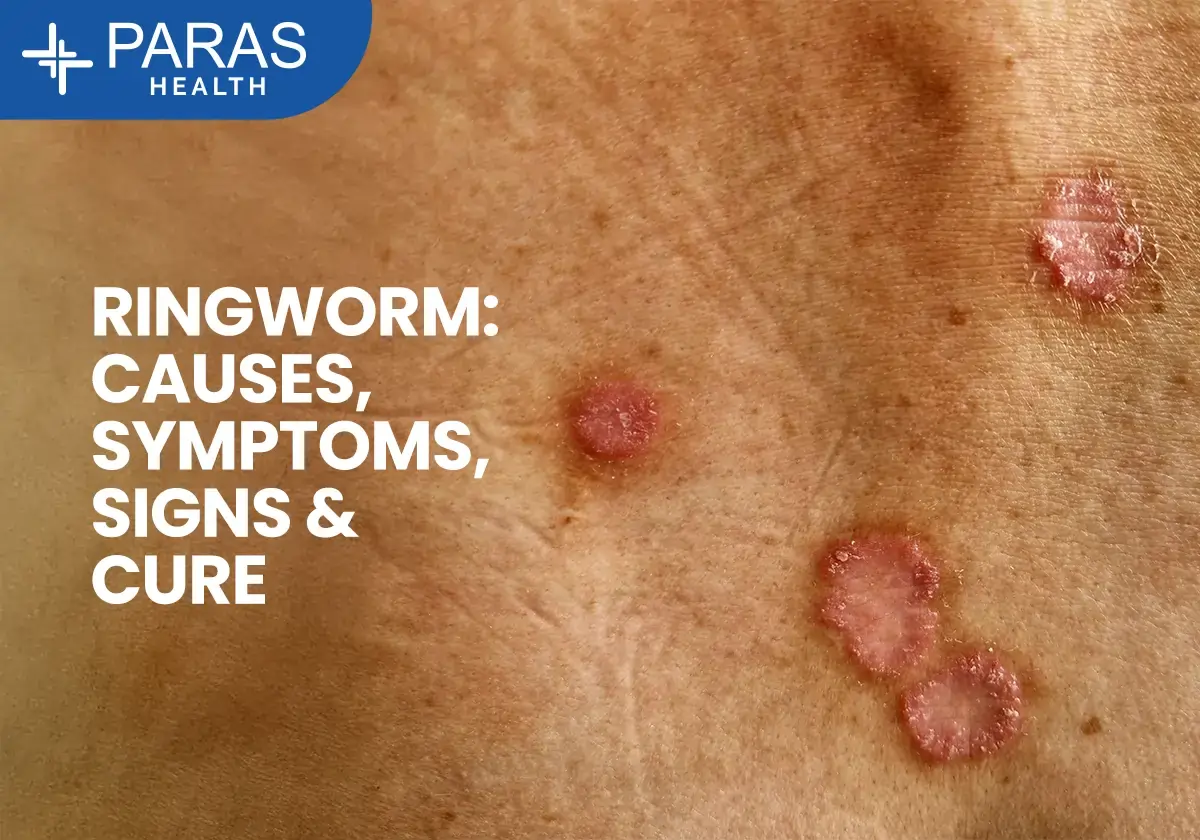
- Ringworm
- Athlete's foot
- Groin fungal infection
- Nail fungal infection
Symptoms
- Itching
- Red, circular rashes
- Burning sensation
- Peeling skin
- Cracked skin between toes
- Unpleasant odour
Treatment
Treatment may include:
- Antifungal creams or powders
- Oral antifungal medicines for severe infections
- Keeping the affected area clean and dry
- Wearing breathable cotton clothing
- Changing wet socks and shoes promptly
Avoid sharing towels, footwear, or clothing, as fungal infections can spread through direct contact.
9. Eye Infections (Conjunctivitis)
Conjunctivitis, commonly known as pink eye, is another infection that becomes more common during the rainy season. It can be caused by viruses, bacteria, or allergies.
Symptoms
- Redness of the eyes
- Watering
- Itching
- Swelling
- Sticky eye discharge
- Sensitivity to light
Treatment
Depending on the cause, treatment may include:
- Lubricating eye drops
- Antibiotic eye drops (if bacterial)
- Cold compresses
- Maintaining good eye hygiene
Avoid rubbing your eyes and do not share towels, handkerchiefs, or eye cosmetics.
Symptoms You Should Never Ignore During the Monsoon
Many monsoon diseases in adults begin with symptoms that appear mild. Ignoring them or relying only on home remedies can delay diagnosis and treatment.
Consult a doctor if you experience any of the following:
- High fever lasting more than two days
- Severe headache
- Persistent body aches
- Joint pain
- Continuous vomiting
- Frequent loose motions
- Severe stomach pain
- Persistent cough
- Difficulty breathing
- Skin rash
- Red eyes with discharge
- Burning while passing urine
- Extreme weakness
- Loss of consciousness
- Confusion
Early medical evaluation helps identify whether the illness is caused by viral infections, waterborne diseases, mosquito-borne diseases, or another condition requiring specific treatment.
Red Flag Symptoms That Need Immediate Medical Attention
Seek emergency medical care if you notice:
- Difficulty breathing
- Chest pain
- Bleeding from the nose, gums, vomit, or stool
- Severe dehydration
- Confusion or disorientation
- Persistent high fever above 103°F (39.4°C)
- Seizures
- Very low urine output
- Severe abdominal pain
- Extreme drowsiness or inability to wake up
These symptoms may indicate serious complications and should never be ignored.
Home Care Tips During Recovery
Recovering from rainy season diseases doesn't end when the fever subsides. Proper care at home helps the body heal faster and reduces the risk of relapse.
Stay Hydrated
Drink plenty of:
- Clean drinking water
- ORS (if advised)
- Coconut water
- Soups
- Fresh lemon water
Avoid sugary soft drinks and alcohol, as they can contribute to dehydration.
Eat Fresh, Nutritious Food
Choose foods that are easy to digest, such as:
- Khichdi
- Rice with dal
- Vegetable soups
- Fresh fruits (washed thoroughly)
- Boiled vegetables
- Curd (if suitable)
Avoid:
- Street food
- Raw salads from unhygienic sources
- Oily or spicy meals
- Stale or refrigerated leftovers
Get Enough Sleep
Aim for 7–9 hours of quality sleep each night. Rest allows your immune system to recover and fight infection more effectively.
Avoid Self-Medication
Many people take antibiotics or painkillers without consulting a doctor. This may mask symptoms, delay the correct diagnosis, or even worsen certain illnesses like dengue.
Take medicines only as prescribed.
Monitor Your Symptoms
Seek medical advice if:
- Fever returns after improving
- Vomiting or diarrhoea worsens
- You develop difficulty breathing
- You notice bleeding or severe weakness
- New symptoms appear during recovery
How to Prevent Monsoon Diseases
While monsoon diseases are common, many are preventable with simple precautions.
Protect Yourself from Mosquito-Borne Diseases
To reduce the risk of dengue, malaria, and chikungunya:
- Remove stagnant water around your home.
- Clean water tanks and coolers regularly.
- Use mosquito repellents.
- Wear full-sleeved clothing, especially during early morning and evening.
- Install mosquito screens on windows and doors.
- Sleep under mosquito nets where needed.
Prevent Waterborne Diseases
Reduce your risk of typhoid, cholera, and gastroenteritis by:
- Drinking boiled or purified water.
- Washing fruits and vegetables thoroughly.
- Eating freshly cooked food.
- Avoiding cut fruits sold in the open.
- Avoiding food from unhygienic vendors.
Maintain Good Personal Hygiene
Simple habits can help prevent many infections:
- Wash your hands frequently with soap and water.
- Use hand sanitiser when travelling.
- Cover your mouth while coughing or sneezing.
- Avoid touching your face with unwashed hands.
- Keep your surroundings clean and dry.
Prevent Respiratory Infections
- Avoid close contact with people who are sick.
- Wear a mask if you have cough or cold symptoms.
- Maintain good ventilation indoors.
- Stay home and rest if you have a fever.
Prevent Fungal Skin Infections
Humidity can encourage fungal growth, so:
- Change wet clothes immediately.
- Dry your feet thoroughly after getting wet.
- Wear breathable cotton clothing.
- Avoid wearing damp shoes for long periods.
- Use antifungal powder if recommended by your doctor.
Strengthen Your Immunity
A healthy immune system helps reduce the risk of seasonal viral infections.
Support your immunity by:
- Eating a balanced diet rich in fruits and vegetables.
- Including protein-rich foods in your meals.
- Exercising regularly.
- Managing stress.
- Getting adequate sleep.
- Staying physically active.
Who Is at Higher Risk?
Although anyone can develop monsoon diseases, certain groups are more likely to experience severe illness.
These include:
- Older adults
- People with diabetes
- Individuals with high blood pressure
- Patients with heart disease
- People with kidney disease
- Individuals with chronic liver disease
- Patients undergoing cancer treatment
- People with weakened immunity
- Individuals with asthma or COPD
- Pregnant women
If you belong to any of these groups, consult your doctor early if you develop fever or other symptoms during the rainy season.
When Should You See a Doctor?
Many viral illnesses improve within a few days. However, delaying medical attention can be dangerous if symptoms are caused by dengue, malaria, or typhoid.
Visit a doctor if you have:
- Fever lasting more than 48 hours
- Fever above 102°F (38.9°C)
- Persistent vomiting
- Severe diarrhoea
- Difficulty breathing
- Severe headache
- Skin rash
- Bleeding from gums or nose
- Severe abdominal pain
- Extreme weakness
- Reduced urine output
- Confusion or fainting
- Worsening symptoms despite home care
Timely diagnosis often leads to faster recovery and helps prevent complications.
Key Facts
- Monsoon diseases in adults are commonly caused by mosquitoes, contaminated food and water, viruses, bacteria, and fungi.
- Dengue, malaria, viral fever, typhoid, and gastroenteritis are among the most common illnesses during the rainy season.
- Many common monsoon diseases begin with similar symptoms, making medical evaluation important for an accurate diagnosis.
- Drinking safe water, eating hygienic food, and preventing mosquito breeding are among the most effective ways to reduce the risk of infection.
- Self-medication, particularly with antibiotics, should be avoided unless prescribed by a healthcare professional.
- Adults with chronic medical conditions should seek medical care early if they develop fever or signs of infection.
- Maintaining good hygiene, staying hydrated, and supporting your immune system can significantly lower your chances of falling ill during the monsoon.
Conclusion
The monsoon season brings cooler weather, but it also increases the risk of a wide range of infections. From dengue and malaria to viral fever, typhoid, gastroenteritis, and respiratory infections, many monsoon diseases in adults share similar symptoms, making timely diagnosis essential.
Most of these illnesses can be prevented through good hygiene, safe food and water practices, effective mosquito control, and a healthy lifestyle. If you develop persistent fever, severe weakness, breathing difficulty, or other warning signs, don't ignore them. Seeking medical care early can lead to faster recovery and reduce the risk of serious complications.
By staying informed and taking preventive measures, you can protect yourself and your family, allowing you to enjoy the rainy season while staying healthy and safe.
FAQs
What are the most common monsoon diseases in adults?
The most common monsoon diseases in adults include dengue, malaria, viral fever, typhoid, gastroenteritis, respiratory infections, fungal skin infections, and conjunctivitis. Early diagnosis helps prevent complications.
Why do adults fall sick more often during the rainy season?
Humidity, stagnant water, contaminated food and water, and increased exposure to bacteria, viruses, and mosquitoes make adults more susceptible to infections during the monsoon.
How can I prevent dengue during the monsoon?
Prevent dengue by eliminating stagnant water around your home, using mosquito repellents, wearing full-sleeved clothing, and installing mosquito screens on windows and doors.
How do I know if my fever is dengue or viral fever?
Both illnesses may start with fever and body aches. However, dengue often causes severe muscle pain, pain behind the eyes, and may lead to a drop in platelet count. Blood tests are needed to confirm the diagnosis.
Can adults get food poisoning during the rainy season?
Yes. Contaminated food and water are common during the monsoon and can lead to food poisoning, diarrhoea, vomiting, and dehydration. Eating freshly prepared food and drinking safe water can help reduce the risk.
When should I visit a hospital for monsoon fever?
Seek medical care if your fever lasts more than two days, is very high, or is accompanied by severe weakness, breathing difficulty, bleeding, persistent vomiting, or dehydration.
What foods should adults avoid during the monsoon?
Avoid street food, raw salads from unhygienic sources, cut fruits sold in the open, stale leftovers, and untreated drinking water to reduce the risk of foodborne infections.
How can I boost my immunity during the monsoon?
Maintain a balanced diet, stay hydrated, exercise regularly, get enough sleep, manage stress, and include fresh fruits, vegetables, and protein-rich foods in your daily meals.
Is it safe to exercise during monsoon if I have a fever?
No. If you have a fever or are recovering from an infection, allow your body adequate rest. Resume physical activity only after you have recovered and your doctor advises it is safe to do so.
Which doctor should I consult for monsoon diseases?
A General Physician is usually the first point of contact for evaluating monsoon diseases. Depending on the diagnosis, you may be referred to an Infectious Disease Specialist, Pulmonologist, or another specialist if needed.