

Caring for Alzheimers Disease Patient


Dementia is a degenerative disorder and a leading cause of disability and dependence among the elderly population. The risk of Alzheimer’s Disease (AD) increases after the age of 65 yrs and doubles after every 5 yrs. Alzheimer’s disease (AD) is characterized by progressive decline in memory ( day to day affairs initially),speech,understanding and behaviour.
The need for support from a caregiver often starts early and intensifies over time with increasing strain on the care giver on physical, psychological, social and economic fronts.
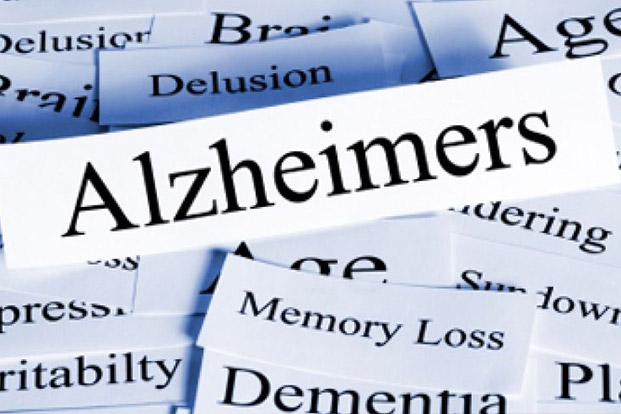
The progression of AD can be divided into three stages:-
Mild Dementia – (Early stage) Forgetting recently learnt information(names,events etc),repeating frequently, inability to do complex activities and there may be a change in behaviour and personality. But patient remains independent for his activities of daily living (duration 2-4 yrs).
Moderate Dementia-Judgement, direction sense, inappropriate language, personal hygiene, physical functions get affected. Further decline in behaviour (depression, apathy etc), sleeping habits etc. Needs more &more assistance in ADLs (2-3 yrs).
Severe Dementia-Extensive memory loss, maybe bed bound, difficulty swallowing, bladder and bowel control problems.Totally dependent on survival. (duration 1-3 yrs).
Caring for a Patient with Dementia:-
In the early stages when the patient may be able to participate in deciding finances,legal, healthcare issues etc.
Plan for the future.
In majority of cases the caregiver is a female (spouse,d-in-law,daughter or a sister).
- There should be a consistency in daily activities as waking up, bathing , dressing, meals, social activities and sleeping time.
- There should be regular exercise, adequate rest and nourishing diet. The patient should be involved in all activities as much as he or she is able to.
- As the disease progresses communication becomes a problem, finding proper words, inability to understand, confusion, emotional outbursts become frequent causing a lot of anger and frustration to the care giver.
- Remember it is the disease and not the person at fault. Speak slowly, gently, clearly and simply. May need to repeat the questions, give short answers of yes or no.
- There may be progressive difficulty in walking due to stiffness, imbalance or misjudgement of slope or depth. Make changes in the household to prevent any falls, provide comfortable clothes and ease to use the bathroom. Organize belongings in such a way that they are easy to find. Keep the surroundings well lit.
- Use eye contact, a smile or a reassuring touch while communicating. It is very difficult to manage, agitation, outbursts adamant or suspicious behaviours. Try not to take problem behaviours personally and maintain a sense of calm.
- Avoid confrontation or arguments.Make use of the good time.
- Introduce favourite song or music or any activity that the patient enjoys. Patient may become agitated in the evenings
- And have sleep related problems. Discourage frequent naps during the day. Keep things calm, safe, simple and quiet. How to deal with unpredictable difficult behaviours outside the socially accepted norms—remember that these behaviours do not define the person but are a product of disease. Do not carry a grudge or use sarcasm in communication.
Caring in the late stages of Dementia-
- Taking care of physical hygiene becomes more difficult. Patient may not even recognize the family member and may not be embarrassed being washed by strangers.
- Create a relaxed atmosphere, with the same sequence of events. Keep physical contact with the patient. Maintain good oral hygiene. Encourage the patient to do any activity that he or she is able to do.
- The caregiver remains under constant stress. May develop feelings of anger, resentment ,guilt etc. Depression & anxiety is a common consequence.
The caregiver must look after oneself.
Have adequate sleep, exercise, nutrition, social activity and time for self .Take medication regularly if there are any medical problems. Consult specialists regularly from time to time though the disease cannot be cured but symptomatic treatment and guidance can be given to modify behaviour and lessen the impact of the disease. Ask for help from friends, family members or any support groups.